


Hey there! As a supplier of pharma flexible hoses, I've been getting a lot of questions lately about the impact resistance of these hoses. So, I thought I'd take a moment to break it down and share some insights.
First off, let's talk about what impact resistance means in the context of pharma flexible hoses. Impact resistance refers to a hose's ability to withstand sudden forces or blows without getting damaged. In the pharmaceutical industry, this is super important because these hoses are often used in environments where they might be bumped, dropped, or otherwise subjected to physical stress.
Why Impact Resistance Matters in Pharma
In the pharma world, product integrity is everything. If a hose gets damaged due to an impact, it can lead to all sorts of problems. For example, a crack or a puncture in the hose can allow contaminants to enter the system, which can compromise the quality of the pharmaceutical products being processed. This can result in costly recalls, regulatory issues, and damage to a company's reputation.
Moreover, in a production setting, any downtime due to a damaged hose can be extremely costly. It can disrupt the manufacturing process, delay shipments, and lead to lost revenue. So, having hoses with good impact resistance can help prevent these issues and keep the production running smoothly.
Factors Affecting Impact Resistance
There are several factors that can affect the impact resistance of pharma flexible hoses.
Material
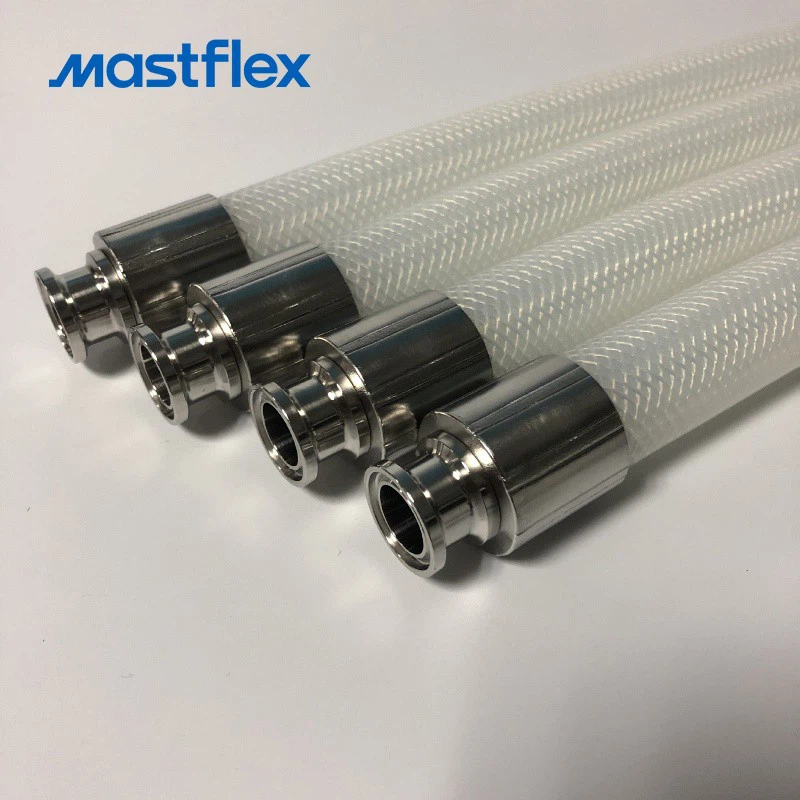
The material of the hose is one of the most crucial factors. Different materials have different levels of toughness and flexibility. For instance, silicone is a popular choice for pharma flexible hoses because it has good impact resistance. Silicone hoses can absorb shocks and impacts without cracking easily. Our Medical Silicone Hose is made from high - quality silicone, which provides excellent protection against impacts.
On the other hand, some other materials might be more brittle and less able to withstand impacts. When choosing a hose, it's important to consider the specific material properties and how they will perform in the intended environment.
Wall Thickness
The wall thickness of the hose also plays a role in its impact resistance. Generally, a thicker - walled hose will be more resistant to impacts than a thinner - walled one. A thicker wall provides more material to absorb the force of an impact, reducing the risk of damage. However, it's a balance because a very thick - walled hose might be less flexible, which could be a drawback in some applications.
Design
The design of the hose can also affect its impact resistance. Hoses with reinforced layers or special ribbed designs can be more resistant to impacts. These features can help distribute the force of an impact more evenly across the hose, reducing the stress on any one point. Our Biopharmaceutical Flexible Hoses are designed with these considerations in mind to provide optimal impact resistance.
Testing Impact Resistance
To ensure that our pharma flexible hoses meet the required standards of impact resistance, we conduct a series of tests. One common test is the drop test. In this test, a hose is dropped from a specified height onto a hard surface, and then it's inspected for any signs of damage.
Another test is the impact hammer test. A hammer with a specific weight and force is used to strike the hose at different points. After the test, the hose is examined to see if it has withstood the impact without significant damage.
We also follow industry standards and regulations when conducting these tests. For example, the USP Class VI standard is very important in the pharmaceutical industry. Our Silicone Hose USP Class VI is tested to meet these strict standards, which include requirements for impact resistance.

Real - World Applications
In real - world pharmaceutical applications, the impact resistance of hoses can make a big difference. For example, in a pharmaceutical manufacturing plant, hoses are used to transfer liquids and gases between different processing units. These hoses might be moved around, bent, and sometimes accidentally knocked. A hose with good impact resistance can withstand these everyday stresses without failing.
In a research laboratory, hoses are used in various experiments. They might be handled frequently, and there's always a risk of them being dropped or bumped. Having impact - resistant hoses ensures that the experiments can continue without interruption due to hose damage.
Choosing the Right Hose for Impact Resistance
When choosing a pharma flexible hose for its impact resistance, here are some tips:
- Understand Your Environment: Consider the conditions in which the hose will be used. If it will be in a high - traffic area or an environment where it's likely to be bumped or dropped, you'll need a hose with higher impact resistance.
- Check the Material and Design: Look for hoses made from materials known for good impact resistance, like silicone. Also, pay attention to the design features, such as reinforced layers or ribbed designs.
- Ask for Test Results: A reputable supplier should be able to provide you with test results that show the impact resistance of their hoses. This will give you an idea of how well the hose will perform in your specific application.
Conclusion
Impact resistance is a crucial factor when it comes to pharma flexible hoses. It can help ensure product integrity, prevent costly downtime, and keep your pharmaceutical operations running smoothly. As a supplier, we're committed to providing high - quality hoses with excellent impact resistance.
If you're in the market for pharma flexible hoses and want to learn more about our products' impact resistance or discuss your specific needs, don't hesitate to reach out. We're here to help you find the right hose for your application.
References
- Pharmaceutical Industry Standards and Regulations
- Material Science Research on Silicone and Other Hose Materials


