


Hey there! I'm a supplier of Silicone Pump Tubing, and I've seen a lot of folks scratching their heads over how to install silicone pump tubing in a vertical orientation. It might seem like a tricky task at first, but with the right know - how, it's actually a piece of cake. In this blog, I'll walk you through the whole process step by step.
Why Vertical Installation?
First off, you might be wondering why you'd even want to install the tubing vertically. Well, there are a few good reasons. In some setups, vertical installation can save space, especially in tight quarters where horizontal runs just aren't an option. It can also be beneficial for gravity - assisted flow in certain applications. For example, if you're using the tubing to transfer a liquid from a higher reservoir to a lower one, vertical installation can help the liquid move more smoothly.
What You'll Need
Before you start the installation, gather the following tools and materials:
- Silicone Pump Tubing: Make sure you've got the right size and type for your application. You can check out our Silicone Tube for Peristaltic Pump and Silicone Peristaltic Pump Tubing options to find the perfect fit.
- Scissors or a Tubing Cutter: To cut the tubing to the right length.
- Clamps or Connectors: Depending on your setup, you'll need these to secure the tubing in place and connect it to other components.
- Cleaning Supplies: It's important to keep the tubing clean, so have some mild soap and water on hand.
Step 1: Measure and Cut the Tubing
The first step is to measure the length of tubing you need. This will depend on the distance between the pump and the other components in your system. Use a measuring tape or ruler to get an accurate measurement. Once you've got the right length, use your scissors or tubing cutter to cut the tubing. Make sure the cut is clean and straight to ensure a good seal later on.
Step 2: Clean the Tubing
Before you install the tubing, it's a good idea to clean it. This will remove any dirt, dust, or debris that could potentially contaminate your system. Fill a bucket or sink with mild soap and water, and soak the tubing for a few minutes. Then, rinse it thoroughly with clean water and let it dry completely.
Step 3: Prepare the Installation Area
Next, you need to prepare the area where you'll be installing the tubing. Make sure it's clean and free of any obstacles. If you're installing the tubing near other equipment, make sure there's enough space for the tubing to run without getting pinched or kinked. You might also want to mark the location where you'll be attaching the tubing to make the installation process easier.
Step 4: Install the Tubing
Now it's time to install the tubing. Start by attaching one end of the tubing to the pump. You can use a clamp or connector to secure it in place. Make sure the connection is tight to prevent any leaks. Then, carefully run the tubing vertically to the other component in your system. As you're running the tubing, make sure it's straight and doesn't have any kinks or bends. If you need to make a turn, use a gentle curve to avoid restricting the flow.
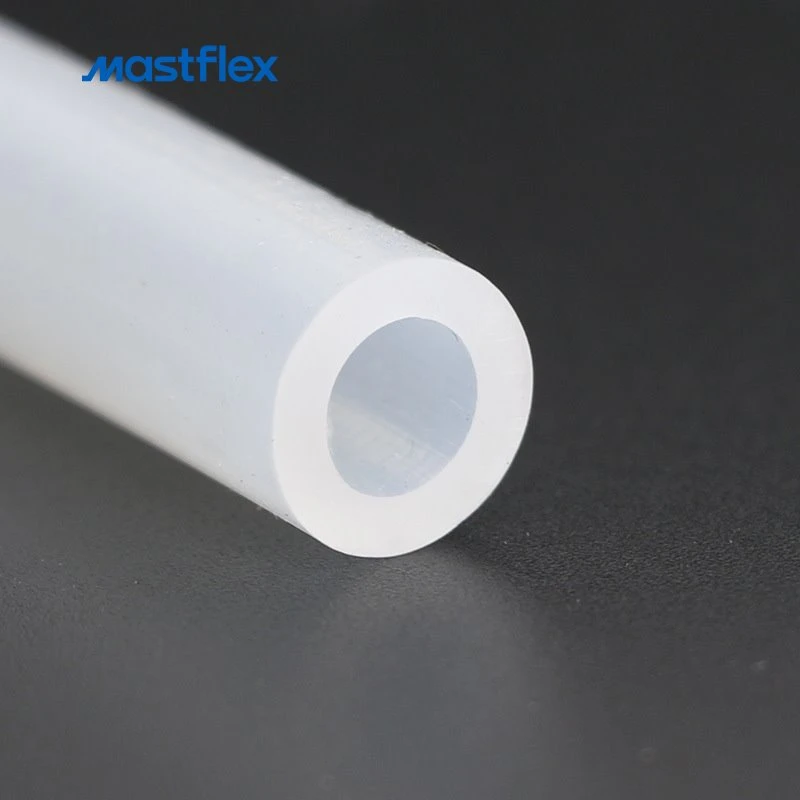

Once you've got the tubing in place, attach the other end to the component using another clamp or connector. Again, make sure the connection is tight. If you're using multiple sections of tubing, you can connect them together using appropriate connectors.
Step 5: Secure the Tubing
After you've installed the tubing, you need to secure it to prevent it from moving or vibrating. You can use cable ties, clips, or brackets to hold the tubing in place. Make sure you don't over - tighten the ties or clips, as this could damage the tubing. Space the ties or clips evenly along the length of the tubing to provide adequate support.
Step 6: Check for Leaks
Once the tubing is installed and secured, it's time to check for leaks. Turn on the pump and let the system run for a few minutes. Inspect the connections and the tubing itself for any signs of leakage. If you notice any leaks, tighten the clamps or connectors or replace any damaged parts.
Step 7: Maintenance
After the installation is complete, it's important to maintain the tubing. Regularly inspect the tubing for any signs of wear and tear, such as cracks or holes. Replace the tubing if it shows any signs of damage. You should also clean the tubing periodically to keep it in good condition.
Troubleshooting
Even if you follow all the steps correctly, you might run into some issues. Here are a few common problems and how to fix them:
- Kinked Tubing: If you notice a kink in the tubing, carefully straighten it out. You can use your fingers or a small tool to gently massage the kink out.
- Leaking Connections: If you have a leak at a connection, try tightening the clamp or connector. If that doesn't work, you might need to replace the connector or use a different type of sealant.
- Poor Flow: If the flow through the tubing is poor, check for any blockages in the tubing or at the connections. You might also need to adjust the pump settings to increase the flow rate.
Conclusion
Installing silicone pump tubing in a vertical orientation isn't as difficult as it might seem. By following these steps, you can ensure a successful installation and a reliable system. If you have any questions or need more information about our Silicone Tubing Peristaltic Pump products, don't hesitate to reach out. We're here to help you find the best solutions for your needs. Whether you're a small - scale user or a large - scale industrial client, we've got the right tubing for you. So, if you're in the market for high - quality silicone pump tubing, contact us for a quote and let's start a great business relationship!
References
- "Pump Tubing Installation Guide" - General Pumping Handbook
- "Silicone Tubing Properties and Applications" - Rubber and Plastics Research Journal


