


Abrasion resistance is a critical property for medical silicone hoses, especially in demanding healthcare and pharmaceutical applications. As a trusted supplier of medical silicone hoses, we understand the significance of this characteristic and its impact on the performance and longevity of our products. In this blog, we will delve into what abrasion resistance means for medical silicone hoses, why it matters, and how our products excel in this aspect.
Understanding Abrasion Resistance
Abrasion resistance refers to a material's ability to withstand the wear and tear caused by friction, rubbing, or scraping against other surfaces. In the context of medical silicone hoses, this property is essential as these hoses are often used in environments where they may come into contact with various objects, equipment, or even human tissue. For example, during surgical procedures, hoses may be moved around, bent, or rubbed against other instruments, which can cause abrasion over time. Similarly, in pharmaceutical manufacturing, hoses may be used in conveyors or filling machines where they are subject to constant movement and contact with other components.
When a hose lacks sufficient abrasion resistance, it can lead to several problems. The outer surface of the hose may start to wear down, exposing the inner layers. This can compromise the integrity of the hose, leading to leaks, contamination, or even failure. In medical applications, such issues can have serious consequences, including the risk of infection, inaccurate drug delivery, or disruption of critical medical procedures.
Factors Affecting Abrasion Resistance in Medical Silicone Hoses
Several factors influence the abrasion resistance of medical silicone hoses. One of the primary factors is the quality of the silicone material used. High - quality silicone formulations are designed to have better physical properties, including enhanced abrasion resistance. The type of additives and fillers incorporated into the silicone can also play a role. For instance, some additives can improve the hardness and toughness of the silicone, making it more resistant to abrasion.
The manufacturing process also has a significant impact on abrasion resistance. Proper extrusion and curing techniques ensure that the silicone hose has a uniform structure and consistent properties throughout. Any defects or inconsistencies in the manufacturing process can weaken the hose and reduce its abrasion resistance.
The design of the hose is another important factor. Hoses with thicker walls generally have better abrasion resistance than those with thinner walls. Additionally, the surface finish of the hose can affect how it interacts with other surfaces. A smooth surface finish can reduce friction and minimize abrasion, while a rough or uneven surface may increase the likelihood of wear.
Importance of Abrasion Resistance in Medical and Pharmaceutical Applications
In the medical field, patient safety is of utmost importance. Medical silicone hoses are used in a wide range of applications, such as oxygen delivery, suction systems, and drug administration. Any failure or damage to these hoses due to abrasion can pose a serious risk to patients. For example, in an oxygen delivery system, a worn - out hose may leak oxygen, leading to inadequate oxygen supply to the patient.
In the pharmaceutical industry, the purity and integrity of the products are critical. Pharmaceutical flexible hoses Pharmaceutical Flexible Hoses are used for transferring various substances, including active pharmaceutical ingredients (APIs), solvents, and finished products. Abrasion - induced damage to these hoses can result in the release of particles or contaminants into the product stream, which can compromise the quality and safety of the pharmaceutical products.
Moreover, in biopharmaceutical manufacturing, where the production of biologics is highly sensitive to contamination, the abrasion resistance of biopharmaceutical flexible hoses Biopharmaceutical Flexible Hoses is crucial. Biologics are often produced in single - use systems, and any damage to the hoses can lead to costly production delays and product losses.

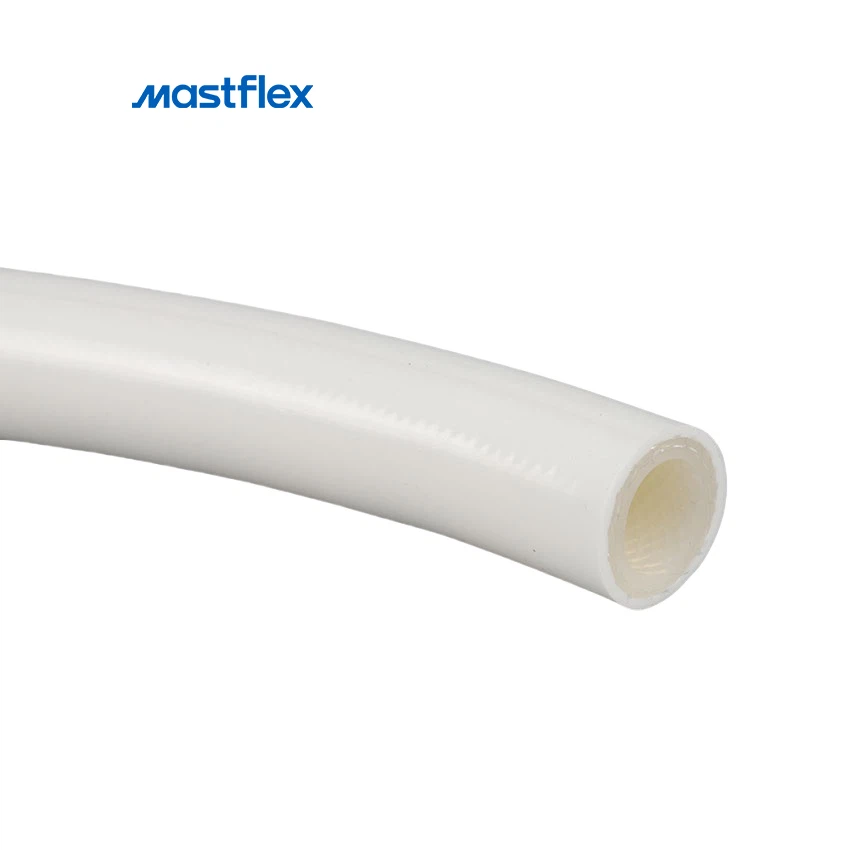
Our Medical Silicone Hoses and Abrasion Resistance
As a leading supplier of medical silicone hoses, we are committed to providing products with excellent abrasion resistance. Our hoses are made from high - quality silicone materials that are specifically formulated to meet the demanding requirements of the medical and pharmaceutical industries. We use advanced manufacturing processes to ensure that each hose has a consistent and uniform structure, which enhances its overall durability and abrasion resistance.
Our Silicone Hose USP Class VI Silicone Hose USP Class VI is a prime example of our commitment to quality. These hoses are not only compliant with the strict USP Class VI standards for biocompatibility but also offer superior abrasion resistance. The USP Class VI certification ensures that the hoses are safe for use in contact with human tissue and body fluids, while the high abrasion resistance ensures long - term performance and reliability.
We also offer a range of customization options to meet the specific needs of our customers. Whether you need a hose with a thicker wall for increased abrasion resistance or a hose with a special surface finish, our team of experts can work with you to develop a solution that meets your requirements.
Testing and Quality Assurance
To ensure the abrasion resistance of our medical silicone hoses, we conduct rigorous testing procedures. Our testing methods include both laboratory - based tests and real - world simulations. In the laboratory, we use standardized abrasion test methods to measure the wear rate of the hoses under controlled conditions. These tests allow us to compare the performance of different hose designs and materials and make improvements as needed.
We also perform real - world simulations to evaluate how our hoses perform in actual applications. This may involve testing the hoses in simulated medical or pharmaceutical environments, where they are subjected to the same types of friction, rubbing, and movement that they would experience in real - life situations. By conducting these tests, we can identify any potential issues and make adjustments to our manufacturing processes or product designs to ensure optimal performance.
Conclusion
Abrasion resistance is a vital property for medical silicone hoses, especially in the healthcare and pharmaceutical industries. At our company, we understand the importance of this characteristic and are dedicated to providing high - quality hoses that offer excellent abrasion resistance. Our commitment to using the best materials, advanced manufacturing processes, and rigorous testing ensures that our products meet the highest standards of performance and reliability.
If you are in the market for medical silicone hoses with superior abrasion resistance, we invite you to contact us for a detailed discussion about your requirements. Our team of experts is ready to assist you in finding the right solution for your specific application. Whether you are a medical device manufacturer, a pharmaceutical company, or a healthcare provider, we can provide you with the high - quality hoses you need to ensure the safety and effectiveness of your operations.
References
- ASTM International. (Year). Standard test methods for abrasion resistance of plastics. ASTM D4060.
- USP (United States Pharmacopeia). (Year). General chapter <88> Biological Reactivity Tests, In Vitro.


