


Hey there! As a supplier of FEP tubing, I'm often asked about how to connect FEP tubing to other components. It's a crucial part of many applications, whether you're working in a lab, an industrial setting, or even a DIY project. So, let's dive right into it and explore the ins and outs of making these connections.
Understanding FEP Tubing
First off, let's talk a bit about FEP tubing. FEP, or fluorinated ethylene propylene, is a super versatile material. It's known for its excellent chemical resistance, high transparency, and good flexibility. These features make it a top choice for a wide range of applications, from transferring chemicals to fluid handling in medical devices.
We offer a variety of FEP tubing products, like FEP Chemical Hose, FEP Hose, and FEP Teflon Tubing. Each of these has its own unique characteristics and is suitable for different scenarios.
Preparing for Connection
Before you start connecting the FEP tubing to other components, there are a few things you need to do. First, make sure you've got the right tools. You'll typically need a good pair of sharp scissors or a tubing cutter to get a clean cut on the FEP tubing. A clean cut is super important because it ensures a tight and leak - free connection.
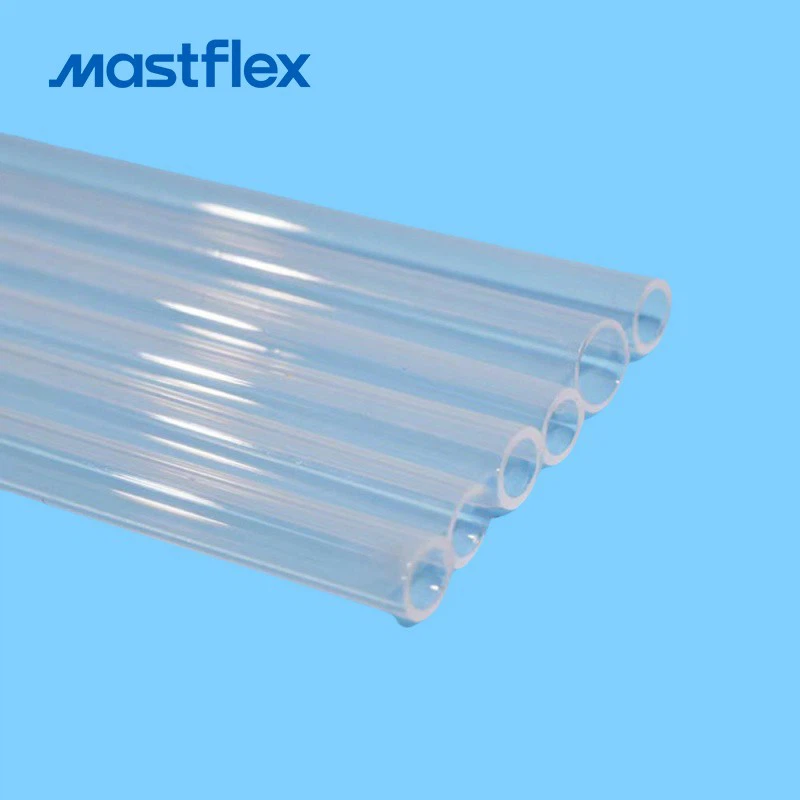

Next, measure the length of tubing you need accurately. It's better to cut a bit longer than you think you'll need, as you can always trim it down later. Also, check the compatibility of the FEP tubing with the other components you're going to connect it to. Different materials have different chemical and physical properties, and you want to make sure they'll work well together without causing any issues like corrosion or leakage.
Methods of Connecting FEP Tubing
Using Compression Fittings
Compression fittings are one of the most common ways to connect FEP tubing to other components. These fittings work by squeezing the tubing between a ferrule and a nut. Here's how you do it:
- Slide the nut onto the FEP tubing first. Make sure it's facing the right way, as some nuts have a specific orientation.
- Then, slide the ferrule onto the tubing. The ferrule is the part that will actually grip the tubing and create a seal.
- Insert the tubing into the fitting body. The fitting body is usually attached to the other component you're connecting the tubing to.
- Tighten the nut onto the fitting body using a wrench. Don't over - tighten it, though! Over - tightening can damage the FEP tubing or cause the fitting to leak. Just tighten it enough to create a good seal.
Adhesive Bonding
Adhesive bonding can be a great option when you need a more permanent connection. However, it's important to choose the right adhesive. There are special adhesives designed for bonding FEP tubing. Here's the process:
- Clean the surfaces of the FEP tubing and the component you're bonding it to. You can use a mild solvent to remove any dirt, grease, or debris.
- Apply a thin layer of the adhesive to both the tubing and the component. Make sure to follow the manufacturer's instructions on how much adhesive to use.
- Press the tubing firmly against the component and hold it in place for the recommended amount of time. This allows the adhesive to set properly.
Keep in mind that adhesive bonding might not be suitable for applications where you need to be able to disassemble the connection easily.
Heat Sealing
Heat sealing is another method, especially useful for joining two pieces of FEP tubing together or connecting the tubing to a heat - compatible component. Here's how it works:
- Use a heat gun or a specialized heat - sealing tool. Set the temperature according to the specifications of the FEP tubing. You don't want to overheat it, as that can cause the tubing to melt or deform.
- Heat the ends of the FEP tubing or the area where it will be connected to the other component. Once the tubing becomes soft and pliable, quickly press the parts together.
- Hold the parts in place until the tubing cools down and hardens again. This creates a strong, seamless connection.
Troubleshooting Common Issues
Sometimes, things don't go as smoothly as we'd like when connecting FEP tubing. Here are some common issues and how to fix them:
Leakage
If you notice leakage at the connection point, the first thing to check is whether the connection is tight enough. If you're using compression fittings, try tightening the nut a little more, but be careful not to over - tighten. If it's an adhesive - bonded connection, check if the adhesive was applied evenly and if it has set properly. In some cases, you might need to remove the connection and re - do it.
Tubing Deformation
If the FEP tubing gets deformed during the connection process, it could be due to over - tightening of compression fittings or over - heating during heat sealing. Make sure you're following the correct procedures and using the right tools and settings. If the deformation is minor, you might be able to gently reshape the tubing, but if it's severe, you'll probably need to cut a new piece of tubing.
Maintenance and Inspection
Once you've connected the FEP tubing to other components, it's important to do regular maintenance and inspection. Check the connections for any signs of wear, leakage, or damage on a regular basis. You can use a simple visual inspection or perform pressure tests if necessary.
If you notice any issues, address them right away. Replace any worn - out parts or re - do the connections as needed. This will help ensure the long - term performance and safety of your system.
Conclusion
Connecting FEP tubing to other components might seem a bit daunting at first, but with the right knowledge and tools, it's a pretty straightforward process. Whether you're using compression fittings, adhesive bonding, or heat sealing, make sure you follow the proper procedures and take the time to do it right.
If you're still not sure about how to connect FEP tubing for your specific application, or if you have any questions about our FEP Chemical Hose, FEP Hose, or FEP Teflon Tubing, don't hesitate to reach out. We're here to help you make the best choices for your project. Whether you're a small - scale DIYer or a large - scale industrial user, we can provide you with the guidance and products you need. Contact us to start a procurement discussion and find the perfect FEP tubing solution for your needs.
References
- "Fluoropolymer Tubing Handbook", a general guide on the properties and usage of fluoropolymer tubing including FEP.
- Manufacturer's specifications for FEP tubing and related components.


