


As a supplier of Silicone Sanitary Hoses, I often encounter inquiries about various technical aspects of our products. One question that comes up quite frequently is, "What is the tear strength of a silicone sanitary hose?" In this blog post, I'll delve into the concept of tear strength, its significance in silicone sanitary hoses, and how it impacts the performance and durability of our products.
Understanding Tear Strength
Tear strength is a crucial mechanical property that measures a material's resistance to the growth of a cut or tear when a force is applied. In the context of silicone sanitary hoses, tear strength indicates how well the hose can withstand the propagation of a tear under stress. This is particularly important in applications where the hose may be subjected to sharp objects, abrasion, or sudden impacts.
The tear strength of a material is typically measured in units of force per unit thickness, such as Newtons per millimeter (N/mm) or pounds per inch (lb/in). A higher tear strength value means that the material is more resistant to tearing, which translates to a longer lifespan and better performance in demanding environments.
Factors Affecting Tear Strength in Silicone Sanitary Hoses
Several factors can influence the tear strength of a silicone sanitary hose. Understanding these factors can help us optimize the manufacturing process and ensure that our hoses meet the highest standards of quality and performance.
1. Silicone Compound
The type and formulation of the silicone compound used in the hose play a significant role in determining its tear strength. Different grades of silicone have varying chemical compositions and molecular structures, which can affect their mechanical properties. For example, high-quality silicone compounds with a higher crosslink density tend to have better tear resistance.
2. Reinforcement
Many silicone sanitary hoses are reinforced with materials such as polyester, aramid, or fiberglass to enhance their strength and durability. The type, amount, and arrangement of the reinforcement can have a substantial impact on the tear strength of the hose. A well-designed reinforcement structure can distribute stress more evenly and prevent the propagation of tears.
3. Manufacturing Process
The manufacturing process used to produce the silicone sanitary hose can also affect its tear strength. Factors such as extrusion temperature, curing time, and pressure can influence the physical properties of the silicone. Proper manufacturing techniques ensure that the hose has a uniform structure and consistent tear strength throughout.
4. Environmental Conditions
The operating environment in which the silicone sanitary hose is used can also impact its tear strength. Exposure to extreme temperatures, chemicals, UV radiation, and ozone can degrade the silicone over time and reduce its tear resistance. Therefore, it's essential to select the appropriate hose for the specific application and ensure that it is properly maintained.
Importance of Tear Strength in Sanitary Applications
In sanitary applications, such as food and beverage processing, pharmaceutical manufacturing, and dairy production, the tear strength of a silicone sanitary hose is of utmost importance. Here are some reasons why:
1. Product Integrity
A high tear strength ensures that the hose can maintain its integrity even under challenging conditions. This is crucial for preventing leaks and contamination, which can have serious consequences for product quality and safety.
2. Longevity
Silicone sanitary hoses with good tear strength are more durable and have a longer lifespan. This reduces the need for frequent replacements, which can save time and money in the long run.
3. Compliance
Many sanitary applications are subject to strict regulations and standards. Hoses with high tear strength are more likely to meet these requirements and ensure compliance with industry guidelines.
Measuring Tear Strength
There are several standardized test methods available for measuring the tear strength of silicone materials. One of the most commonly used methods is the ASTM D624 test, which measures the force required to propagate a tear in a pre-cut specimen of the material.
During the test, a specimen of the silicone sanitary hose is cut with a sharp blade to create a notch. The specimen is then clamped in a testing machine, and a force is applied perpendicular to the notch to propagate the tear. The maximum force required to tear the specimen is recorded, and the tear strength is calculated based on the specimen's dimensions.
Our Commitment to High Tear Strength
As a leading supplier of Sanitary Hose Assemblies, Silicone Food Hose, and Silicone Milk Hose, we are committed to providing our customers with products that offer exceptional tear strength and performance.

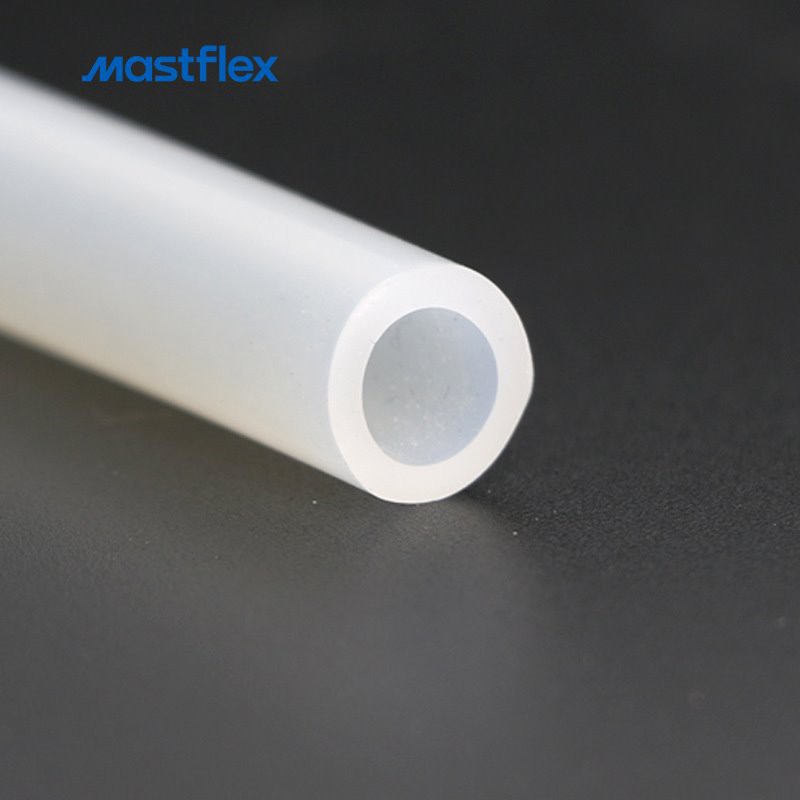
We use only the highest quality silicone compounds and advanced manufacturing techniques to ensure that our hoses have superior tear resistance. Our hoses are also reinforced with high-strength materials to further enhance their durability and reliability.
In addition, we conduct rigorous quality control tests on every batch of hoses to ensure that they meet or exceed the industry standards for tear strength. This includes both in-house testing and third-party certification to provide our customers with peace of mind.
Conclusion
The tear strength of a silicone sanitary hose is a critical factor that determines its performance and durability in sanitary applications. By understanding the factors that affect tear strength and using high-quality materials and manufacturing processes, we can produce hoses that offer excellent tear resistance and meet the demanding requirements of our customers.
If you're in the market for high-quality silicone sanitary hoses with superior tear strength, we invite you to contact us to discuss your specific needs. Our team of experts is ready to assist you in selecting the right hose for your application and providing you with the best possible solutions.
References
- ASTM D624 - Standard Test Method for Tear Strength of Conventional Vulcanized Rubber and Thermoplastic Elastomers.
- "Silicone Elastomers: Properties and Applications" by James A. Brydson.


