


What are the environmental impacts of pharma flexible hoses?
As a supplier of pharma flexible hoses, I've witnessed firsthand the growing importance of understanding the environmental impacts of our products. In the pharmaceutical industry, flexible hoses are essential for transferring various substances, from liquids to gases, during the manufacturing process. However, like any industrial product, they come with their own set of environmental implications.
Material Sourcing and Extraction
One of the primary environmental concerns associated with pharma flexible hoses is the sourcing and extraction of raw materials. Many pharma flexible hoses are made from materials such as silicone, which is derived from silica sand. The extraction of silica sand can have significant environmental impacts, including habitat destruction, soil erosion, and water pollution. Mining operations often require large amounts of water, which can lead to water scarcity in local areas. Additionally, the use of heavy machinery in mining can contribute to air pollution and noise pollution.
To mitigate these impacts, responsible suppliers are increasingly looking for sustainable sources of raw materials. For example, some companies are exploring the use of recycled silicone or alternative materials that have a lower environmental footprint. By choosing suppliers that prioritize sustainable sourcing, pharmaceutical companies can reduce their overall environmental impact.
Manufacturing Process
The manufacturing process of pharma flexible hoses also has environmental implications. The production of silicone hoses, for instance, involves several energy-intensive steps, including polymerization, extrusion, and vulcanization. These processes require large amounts of electricity and heat, which can contribute to greenhouse gas emissions and climate change.
In addition to energy consumption, the manufacturing process can also generate waste and pollution. Chemicals used in the production of pharma flexible hoses, such as solvents and catalysts, can be harmful to the environment if not properly managed. Waste materials, such as scrap rubber and plastic, can also pose a disposal challenge.
To address these issues, manufacturers are implementing various measures to improve the environmental performance of their production processes. This includes investing in energy-efficient equipment, optimizing production schedules to reduce energy consumption, and implementing waste management programs to minimize waste generation. Some manufacturers are also exploring the use of cleaner production technologies, such as water-based solvents and biodegradable materials.
Product Use and Disposal
Once pharma flexible hoses are in use, they can also have environmental impacts. For example, if hoses are not properly maintained, they can leak or rupture, leading to the release of hazardous substances into the environment. This can contaminate soil, water, and air, and pose a risk to human health and the ecosystem.
At the end of their useful life, pharma flexible hoses need to be disposed of properly. If not disposed of correctly, they can end up in landfills, where they can take hundreds of years to decompose. This can contribute to landfill space depletion and the release of greenhouse gases.
To minimize the environmental impact of product use and disposal, pharmaceutical companies should implement proper maintenance and inspection procedures for their pharma flexible hoses. This includes regular checks for leaks and damage, and timely replacement of worn-out hoses. Additionally, companies should explore options for recycling or reusing pharma flexible hoses at the end of their life cycle. Some manufacturers offer take-back programs, where they collect used hoses and recycle them into new products.
Regulatory and Industry Initiatives
In recent years, there has been a growing awareness of the environmental impacts of pharma flexible hoses, and both regulatory bodies and industry associations have taken steps to address these issues. Regulatory agencies, such as the Environmental Protection Agency (EPA) in the United States and the European Union's REACH regulation, have established standards and guidelines for the environmental performance of industrial products, including pharma flexible hoses. These regulations aim to reduce the use of hazardous substances, minimize waste generation, and promote sustainable production and consumption.
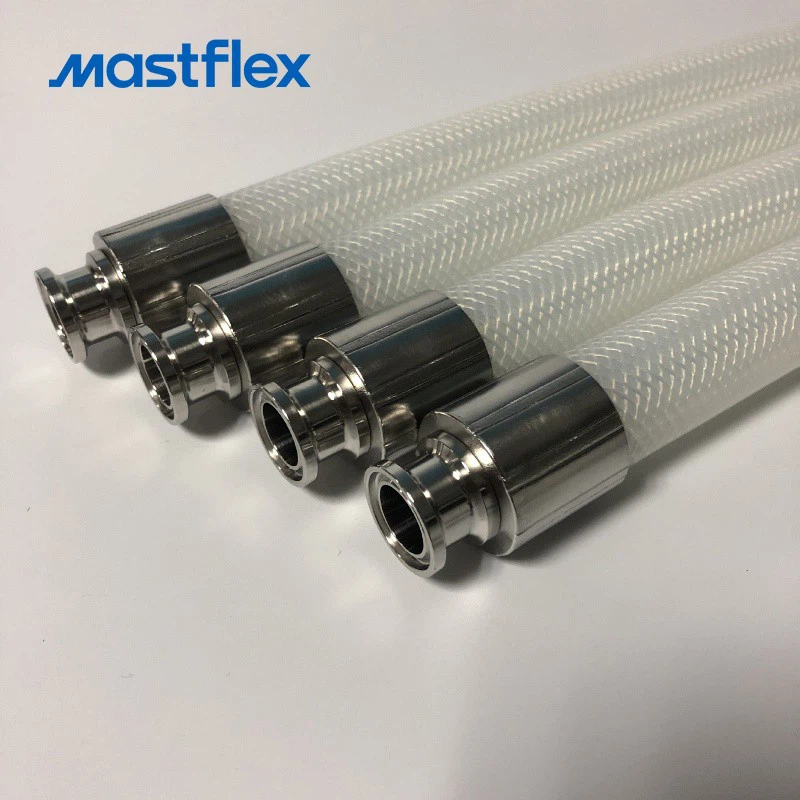

Industry associations, such as the International Pharmaceutical Excipients Council (IPEC) and the American Society for Testing and Materials (ASTM), have also developed standards and best practices for the environmental management of pharma flexible hoses. These initiatives encourage companies to adopt sustainable practices throughout the product life cycle, from material sourcing to disposal.
Our Commitment as a Supplier
As a supplier of pharma flexible hoses, we are committed to minimizing the environmental impact of our products. We source our raw materials from sustainable suppliers, and we continuously invest in research and development to improve the environmental performance of our manufacturing processes. We also offer a range of environmentally friendly products, such as Biopharmaceutical Flexible Hoses, Medical Silicone Hose, and Pharmaceutical Silicone Hose, which are designed to meet the highest environmental standards.
In addition to our product offerings, we also provide our customers with technical support and guidance on how to minimize the environmental impact of their pharma flexible hoses. This includes advice on proper installation, maintenance, and disposal of our products. We believe that by working together with our customers, we can make a positive contribution to the environment and the pharmaceutical industry.
Conclusion
The environmental impacts of pharma flexible hoses are significant, but they can be mitigated through sustainable sourcing, manufacturing, use, and disposal practices. As a supplier, we have a responsibility to minimize the environmental impact of our products, and we are committed to working with our customers to achieve this goal. By choosing sustainable pharma flexible hoses and implementing proper environmental management practices, pharmaceutical companies can reduce their environmental footprint and contribute to a more sustainable future.
If you are interested in learning more about our pharma flexible hoses and our commitment to sustainability, please contact us for a consultation. We look forward to working with you to meet your pharmaceutical hose needs while minimizing the environmental impact.
References
- EPA. (n.d.). Industrial Product Management. Retrieved from https://www.epa.gov/industrial-chemicals-and- products/industrial-product-management
- European Union. (n.d.). REACH - Registration, Evaluation, Authorisation and Restriction of Chemicals. Retrieved from https://ec.europa.eu/environment/chemicals/reach/reach_intro_en.htm
- International Pharmaceutical Excipients Council (IPEC). (n.d.). Sustainability in the Pharmaceutical Industry. Retrieved from https://www.ipeconline.org/sustainability
- American Society for Testing and Materials (ASTM). (n.d.). Standards for the Pharmaceutical Industry. Retrieved from https://www.astm.org/Standards/Pharmaceutical.htm


