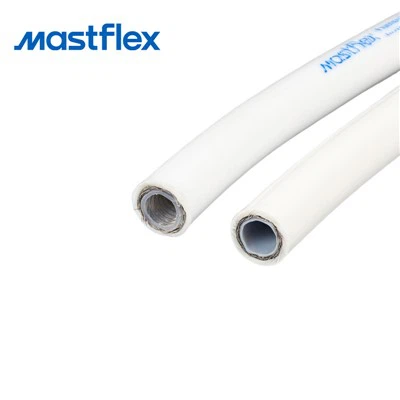
Labeling PFA tubing is a crucial process that ensures safety, compliance, and efficient identification in various industrial applications. As a PFA tubing supplier, we understand the importance of proper labeling and its impact on the overall performance and usability of our products. In this blog post, we will explore the best practices for labeling PFA tubing, including the types of labels, information to include, and application methods.
Types of Labels for PFA Tubing
When it comes to labeling PFA tubing, there are several types of labels available, each with its own advantages and applications. The most common types of labels for PFA tubing include:
- Adhesive Labels: Adhesive labels are the most widely used type of label for PFA tubing. They are easy to apply and can be customized with various information, such as product name, size, and batch number. Adhesive labels are available in different materials, including paper, vinyl, and polyester, and can be printed with different colors and fonts.
- Heat-Shrink Labels: Heat-shrink labels are a popular choice for PFA tubing because they provide a tight and secure fit. They are made of a heat-shrinkable material that shrinks when heated, conforming to the shape of the tubing. Heat-shrink labels are available in different sizes and can be printed with various information, such as product name, size, and batch number.
- Laser Etching: Laser etching is a permanent labeling method that uses a laser to engrave information directly onto the surface of the PFA tubing. Laser etching provides a high-quality and durable label that is resistant to wear and tear. It is ideal for applications where the label needs to be visible and legible for a long time.
Information to Include on PFA Tubing Labels
The information included on PFA tubing labels should be clear, concise, and accurate. It should provide all the necessary information about the product, including its name, size, material, and batch number. The following are some of the information that should be included on PFA tubing labels:


- Product Name: The product name should clearly identify the type of PFA tubing, such as PFA Corrugated Tubing, PFA Hose, or PFA Flexible Tubing.
- Size: The size of the PFA tubing should be clearly indicated on the label, including the outer diameter, inner diameter, and wall thickness.
- Material: The material of the PFA tubing should be clearly indicated on the label, such as PFA resin.
- Batch Number: The batch number should be included on the label to track the production history of the PFA tubing.
- Date of Manufacture: The date of manufacture should be included on the label to indicate when the PFA tubing was produced.
- Safety Information: Safety information, such as handling instructions and warnings, should be included on the label to ensure the safe use of the PFA tubing.
Application Methods for PFA Tubing Labels
The application method for PFA tubing labels depends on the type of label and the surface of the tubing. The following are some of the common application methods for PFA tubing labels:
- Adhesive Labels: Adhesive labels can be applied by hand or using a labeling machine. When applying adhesive labels by hand, it is important to ensure that the surface of the tubing is clean and dry to ensure proper adhesion. When using a labeling machine, it is important to adjust the settings to ensure that the label is applied correctly.
- Heat-Shrink Labels: Heat-shrink labels can be applied using a heat gun or a shrink tunnel. When using a heat gun, it is important to apply the heat evenly to ensure that the label shrinks uniformly. When using a shrink tunnel, it is important to adjust the temperature and speed to ensure that the label shrinks correctly.
- Laser Etching: Laser etching can be performed using a laser engraving machine. When using a laser engraving machine, it is important to adjust the settings to ensure that the information is engraved clearly and accurately.
Best Practices for Labeling PFA Tubing
To ensure the best results when labeling PFA tubing, it is important to follow the following best practices:
- Choose the Right Label: Choose the right type of label for your application based on the surface of the tubing, the information to be included, and the environment in which the tubing will be used.
- Prepare the Surface: Before applying the label, it is important to prepare the surface of the tubing by cleaning it with a mild detergent and water. This will ensure that the label adheres properly and does not peel off.
- Apply the Label Correctly: When applying the label, it is important to ensure that it is applied straight and centered on the tubing. This will ensure that the label is visible and legible.
- Test the Label: Before applying the label to the entire batch of tubing, it is important to test the label on a small sample of tubing to ensure that it adheres properly and does not cause any damage to the tubing.
- Store the Labeled Tubing Properly: After labeling the tubing, it is important to store it properly to prevent the label from peeling off or becoming damaged. This can be done by storing the tubing in a cool, dry place away from direct sunlight and heat.
Conclusion
Labeling PFA tubing is an important process that ensures safety, compliance, and efficient identification in various industrial applications. By following the best practices for labeling PFA tubing, you can ensure that your labels are clear, concise, and accurate, and that they provide all the necessary information about the product. If you have any questions or need further information about labeling PFA tubing, please contact us. We are a leading PFA tubing supplier and are committed to providing high-quality products and excellent customer service.
References
- "PFA Tubing: Properties, Applications, and Labeling." Industrial Tubing Handbook.
- "Best Practices for Labeling Plastic Tubing." Plastics Manufacturing Magazine.
- "Labeling Guidelines for Chemical Tubing." Chemical Safety Journal.