


As a supplier of FEP tubing, I've seen firsthand how crucial chemical resistance is in various industries. FEP (Fluorinated Ethylene Propylene) tubing is known for its excellent chemical resistance, but there are ways to further enhance it. In this blog, I'll share some tips on how to improve the chemical resistance of FEP tubing.
Understanding FEP Tubing
Before we dive into how to improve its chemical resistance, let's briefly understand what FEP tubing is. FEP is a fluoropolymer that offers a wide range of benefits, including high chemical resistance, low friction, and excellent electrical insulation. It's commonly used in industries such as chemical processing, pharmaceuticals, and semiconductor manufacturing.
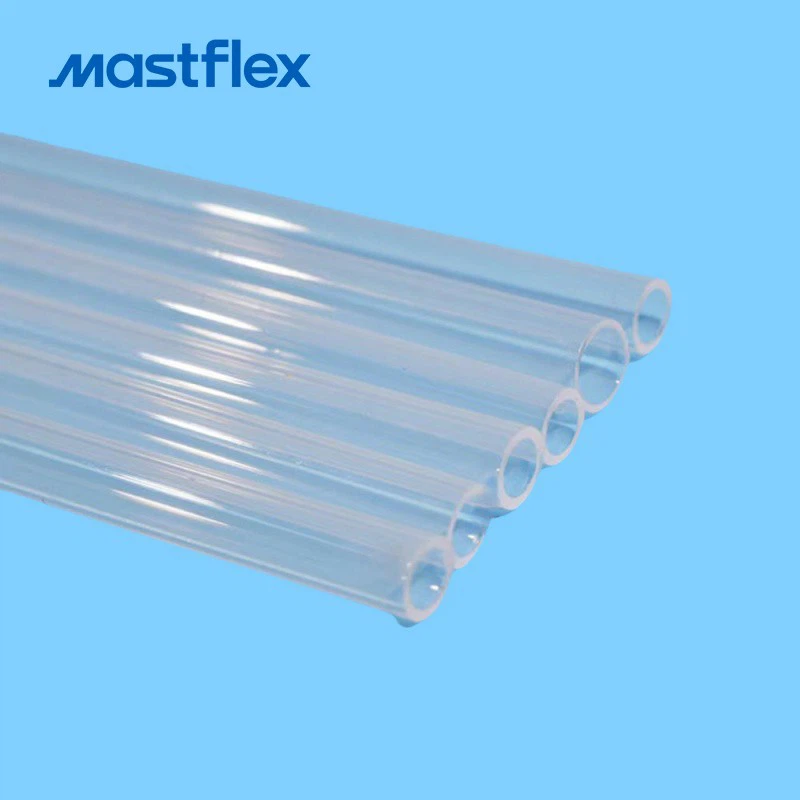
FEP tubing comes in different forms, such as FEP Plastic Tubing, FEP Hose, and FEP Corrugated Tubing. Each type has its own unique properties and applications, but they all share the fundamental characteristic of being highly resistant to chemicals.
Factors Affecting Chemical Resistance
Several factors can affect the chemical resistance of FEP tubing. Understanding these factors is crucial for improving its performance.
- Temperature: High temperatures can accelerate chemical reactions and reduce the effectiveness of the tubing's chemical resistance. It's important to operate FEP tubing within its recommended temperature range.
- Chemical Concentration: The concentration of the chemicals in contact with the tubing can also impact its resistance. Higher concentrations may require more robust tubing or additional protective measures.
- Exposure Time: The longer the tubing is exposed to chemicals, the greater the potential for degradation. Minimizing exposure time can help maintain the tubing's chemical resistance.
- Mechanical Stress: Physical stress, such as bending or stretching, can weaken the tubing and make it more susceptible to chemical attack. Proper installation and handling are essential to prevent mechanical damage.
Tips to Improve Chemical Resistance
Now that we understand the factors affecting chemical resistance, let's look at some practical tips to enhance it.
Select the Right Tubing
- Material Grade: Choose FEP tubing with a high-quality material grade. Different grades of FEP offer varying levels of chemical resistance. Consult with your supplier to determine the most suitable grade for your specific application.
- Wall Thickness: Thicker walls generally provide better chemical resistance. Consider using tubing with a thicker wall if you're dealing with highly corrosive chemicals.
Proper Installation
- Avoid Kinking: Kinking the tubing can create weak points and reduce its chemical resistance. Make sure to install the tubing in a way that avoids sharp bends or kinks.
- Use Proper Fittings: Ensure that the fittings used with the tubing are compatible and properly installed. Leaks can expose the tubing to chemicals and compromise its resistance.
Maintenance and Cleaning
- Regular Inspections: Conduct regular inspections of the tubing to check for signs of damage or degradation. Early detection can help prevent further problems.
- Cleaning Procedures: Follow the manufacturer's recommended cleaning procedures to remove any chemical residues. Use mild cleaning agents that are compatible with FEP.
Environmental Considerations
- Storage Conditions: Store FEP tubing in a cool, dry place away from direct sunlight and chemicals. Exposure to extreme conditions can degrade the tubing over time.
- Ventilation: Ensure proper ventilation in the area where the tubing is used. This can help reduce the concentration of chemicals in the air and minimize the risk of exposure.
Case Studies
To illustrate the effectiveness of these tips, let's look at a couple of case studies.
Case Study 1: Chemical Processing Plant
A chemical processing plant was experiencing issues with the chemical resistance of their FEP tubing. The tubing was being used to transport highly corrosive acids, and it was failing prematurely. After consulting with our team, they decided to upgrade to a higher-grade FEP tubing with a thicker wall. They also implemented a regular maintenance and cleaning schedule. As a result, the tubing's chemical resistance improved significantly, and the plant was able to reduce downtime and maintenance costs.
Case Study 2: Pharmaceutical Manufacturer
A pharmaceutical manufacturer was using FEP tubing in their production process. They were concerned about the potential for chemical contamination and wanted to improve the tubing's chemical resistance. We recommended using a special coating on the tubing to enhance its resistance to certain chemicals. The manufacturer also implemented proper installation and maintenance procedures. After making these changes, they noticed a significant improvement in the tubing's performance and a reduction in the risk of contamination.
Conclusion
Improving the chemical resistance of FEP tubing is essential for ensuring its long-term performance and reliability. By understanding the factors that affect chemical resistance and implementing the tips outlined in this blog, you can enhance the performance of your FEP tubing and reduce the risk of chemical damage.

If you're interested in learning more about FEP tubing or have any questions about improving its chemical resistance, feel free to reach out to us. We're here to help you find the best solutions for your specific needs. Let's start a conversation about how we can work together to meet your FEP tubing requirements.
References
- "Fluoropolymer Tubing: A Guide to Selection and Use" by Plastics Technology
- "Chemical Resistance of FEP Tubing" by a leading chemical engineering journal


