


As a reliable FEP tubing supplier, I often encounter inquiries from customers about the moisture absorption rate of FEP tubing. Understanding this property is crucial for various applications, as it can significantly impact the performance and durability of the tubing. In this blog post, I will delve into the details of the moisture absorption rate of FEP tubing, exploring its significance, influencing factors, and practical implications.
What is FEP Tubing?
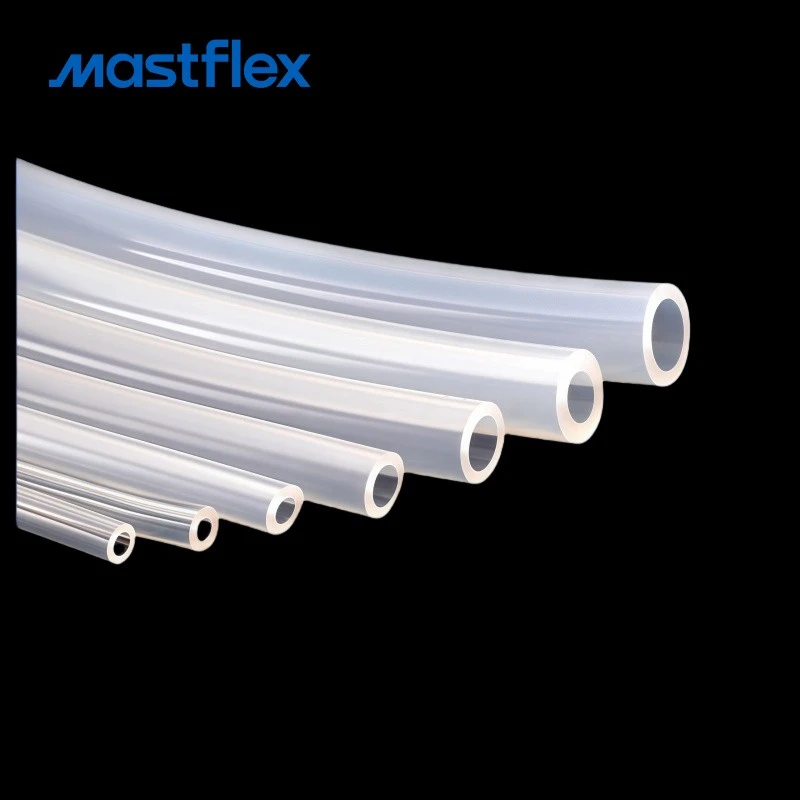
Before we discuss the moisture absorption rate, let's briefly introduce FEP tubing. FEP, or fluorinated ethylene propylene, is a fluoropolymer known for its excellent chemical resistance, high transparency, and low friction coefficient. FEP tubing is widely used in various industries, including chemical processing, pharmaceutical, food and beverage, and electronics, due to its outstanding properties. It is available in different forms, such as FEP Chemical Hose, FEP Plastic Tubing, and FEP Teflon Tubing, to meet diverse application requirements.
Significance of Moisture Absorption Rate
The moisture absorption rate refers to the amount of water that a material can absorb when exposed to a humid environment. For FEP tubing, this property is of great significance for several reasons. Firstly, moisture absorption can affect the mechanical properties of the tubing. Excessive moisture absorption may cause swelling, softening, or degradation of the material, leading to a decrease in its strength and flexibility. This can compromise the integrity of the tubing and potentially result in leaks or failures in critical applications.
Secondly, moisture can also impact the chemical resistance of FEP tubing. Some chemicals may react with water absorbed by the tubing, leading to corrosion or chemical degradation. This can reduce the effectiveness of the tubing in handling aggressive chemicals and shorten its service life.
Finally, in applications where the purity of the fluid being transported is crucial, such as in the pharmaceutical or food and beverage industries, moisture absorption can introduce contaminants into the system. Water absorbed by the tubing may contain impurities or microorganisms, which can contaminate the product and pose a risk to human health.
Factors Affecting the Moisture Absorption Rate of FEP Tubing
Several factors can influence the moisture absorption rate of FEP tubing. These include:
1. Material Composition
The chemical structure of FEP itself plays a significant role in determining its moisture absorption rate. FEP is a non-polar polymer with a low affinity for water. As a result, it generally has a very low moisture absorption rate compared to other polymers. However, the presence of additives or impurities in the FEP material can increase its moisture absorption. For example, some processing aids or fillers may have a higher affinity for water, leading to an increase in the overall moisture absorption rate of the tubing.
2. Environmental Conditions
The humidity and temperature of the environment in which the FEP tubing is used are important factors affecting its moisture absorption rate. Higher humidity levels provide more water vapor in the air, increasing the likelihood of moisture absorption by the tubing. Similarly, elevated temperatures can accelerate the diffusion of water molecules into the material, leading to a higher moisture absorption rate.
3. Surface Area and Thickness
The surface area and thickness of the FEP tubing also affect its moisture absorption rate. A larger surface area provides more contact area for water vapor to interact with the material, resulting in a higher moisture absorption rate. On the other hand, a thicker wall thickness can act as a barrier to moisture diffusion, reducing the overall moisture absorption of the tubing.
4. Exposure Time
The longer the FEP tubing is exposed to a humid environment, the more water it will absorb. Therefore, the duration of exposure is an important factor to consider when evaluating the moisture absorption rate of the tubing.
Measuring the Moisture Absorption Rate of FEP Tubing
To accurately determine the moisture absorption rate of FEP tubing, standardized testing methods are typically used. One common method is the gravimetric method, which involves weighing the tubing before and after exposure to a humid environment. The difference in weight is then used to calculate the amount of water absorbed by the tubing.
Another method is the use of moisture sensors or analyzers, which can directly measure the moisture content in the tubing. These sensors can provide real-time data on the moisture absorption rate and are particularly useful for monitoring the moisture levels in critical applications.

Practical Implications and Solutions
Based on the understanding of the moisture absorption rate of FEP tubing, there are several practical implications and solutions that can be considered.
1. Application Selection
When selecting FEP tubing for a specific application, it is important to consider the environmental conditions and the potential for moisture exposure. In applications where the moisture content is high or the consequences of moisture absorption are severe, such as in outdoor or high-humidity environments, special attention should be paid to the moisture resistance of the tubing. Choosing FEP tubing with a low moisture absorption rate and good chemical resistance can help ensure the long-term performance and reliability of the system.
2. Storage and Handling
Proper storage and handling of FEP tubing are essential to minimize moisture absorption. Tubing should be stored in a dry and cool environment, away from sources of moisture and humidity. When handling the tubing, it is important to avoid exposing it to water or high-humidity conditions for extended periods.
3. Surface Treatment
Surface treatment can be used to reduce the moisture absorption rate of FEP tubing. For example, applying a hydrophobic coating to the surface of the tubing can create a barrier that prevents water from coming into contact with the material. This can significantly reduce the moisture absorption of the tubing and improve its performance in humid environments.
4. Regular Inspection and Maintenance
Regular inspection and maintenance of FEP tubing are necessary to detect any signs of moisture absorption or degradation early. Visual inspection can be used to check for swelling, discoloration, or other signs of damage. In addition, periodic testing of the tubing's mechanical and chemical properties can help ensure its continued performance and reliability.
Conclusion
In conclusion, the moisture absorption rate is an important property of FEP tubing that can significantly impact its performance and durability. Understanding the significance of this property and the factors that affect it is crucial for selecting the right tubing for specific applications and ensuring its long-term reliability. By considering the environmental conditions, material composition, and other factors, and taking appropriate measures such as proper storage, surface treatment, and regular maintenance, the moisture absorption of FEP tubing can be effectively controlled, minimizing the risk of failures and ensuring the integrity of the system.
If you have any questions or need further information about FEP tubing and its moisture absorption rate, please feel free to contact us. We are a professional FEP tubing supplier with extensive experience and expertise in providing high-quality tubing solutions. Our team of experts is dedicated to helping you find the right tubing for your specific application and ensuring its optimal performance. Contact us today to start your procurement discussion.
References
- ASTM D570 - Standard Test Method for Water Absorption of Plastics
- ISO 62 - Plastics - Determination of water absorption
- "Fluoropolymers: Properties, Processing, and Applications" by John Scheirs and Thomas M. Kemmer


