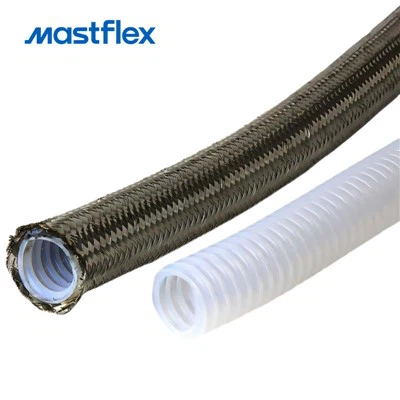
In the world of fluid transfer, hoses play a crucial role in a wide range of applications. Two common types of hoses are sanitary hoses and regular hoses. As a sanitary hose supplier, I often get asked about the differences between these two types of hoses. In this blog post, I'll delve into the key distinctions to help you understand which type of hose is best suited for your specific needs.
Material Composition
One of the primary differences between sanitary hoses and regular hoses lies in their material composition. Sanitary hoses are typically made from high - quality, food - grade materials that are compliant with strict industry standards such as FDA (Food and Drug Administration) regulations. For example, our Platinum Cured Silicone Braided Hose is crafted from platinum - cured silicone, which is known for its excellent biocompatibility, flexibility, and resistance to high temperatures. This makes it ideal for applications in the food, beverage, pharmaceutical, and cosmetic industries where product purity is of utmost importance.
On the other hand, regular hoses can be made from a variety of materials, including rubber, PVC (Polyvinyl Chloride), and polyethylene. These materials are generally chosen for their cost - effectiveness and durability in non - sanitary applications. For instance, a regular garden hose made of PVC is suitable for watering plants and washing cars, but it may not meet the stringent requirements for handling food or pharmaceutical products.
Design and Construction
Sanitary hoses are designed with a smooth inner surface to prevent the accumulation of debris, bacteria, and other contaminants. This smooth surface allows for easy cleaning and sanitization, which is essential in industries where product quality and safety are paramount. Additionally, sanitary hoses often feature specialized fittings that are designed to create a leak - free and hygienic connection. Our FDA Silicone Hose is designed with precision - engineered fittings that ensure a tight seal, minimizing the risk of product contamination.
Regular hoses, in contrast, may have a rougher inner surface and less precise fittings. They are typically designed for general - purpose use and may not require the same level of cleanliness and precision as sanitary hoses. For example, a regular industrial hose used for transferring chemicals may have a more rugged design to withstand the harsh chemicals, but it may not be suitable for handling food products due to the potential for contamination.
Performance and Application
The performance requirements for sanitary hoses and regular hoses vary significantly based on their intended applications. Sanitary hoses are designed to maintain the integrity and purity of the transferred product. They are often used in applications where the product needs to be protected from external contaminants, such as in the production of dairy products, pharmaceuticals, and cosmetics. The Flexible Sanitary Hose offers excellent flexibility, which allows for easy installation and maneuverability in tight spaces, making it a popular choice in various sanitary applications.
Regular hoses, on the other hand, are used in a wide range of applications where product purity is not the primary concern. They can be used for tasks such as transferring water, oil, or chemicals in industrial settings. For example, a regular hydraulic hose is used to transmit hydraulic fluid in machinery, where the focus is on pressure resistance and durability rather than product purity.
Hygiene and Cleanability
Hygiene is a critical factor in the selection of hoses, especially in industries where product safety is a top priority. Sanitary hoses are designed to be easily cleaned and sanitized to prevent the growth of bacteria and other microorganisms. They can withstand high - temperature cleaning processes, such as steam cleaning, without degrading or losing their performance properties. This ensures that the transferred product remains safe and free from contaminants.


Regular hoses may not be as easy to clean as sanitary hoses. Their rougher surfaces and less - precise fittings can make it difficult to remove all traces of debris and contaminants. In some cases, regular hoses may require more frequent replacement to maintain an acceptable level of cleanliness.
Cost Considerations
The cost of sanitary hoses is generally higher than that of regular hoses. This is due to the use of high - quality materials, strict manufacturing processes, and compliance with industry standards. However, the investment in sanitary hoses is often justified by the long - term benefits, such as improved product quality, reduced risk of contamination, and compliance with regulatory requirements.
Regular hoses are more cost - effective and are a suitable choice for applications where the requirements for product purity and hygiene are not as strict. They offer a more budget - friendly option for general - purpose use.
Conclusion
In conclusion, the differences between sanitary hoses and regular hoses are significant and are primarily driven by their material composition, design, performance, hygiene requirements, and cost. As a sanitary hose supplier, we understand the importance of providing high - quality hoses that meet the specific needs of our customers. Whether you are in the food, beverage, pharmaceutical, or cosmetic industry, choosing the right sanitary hose is crucial for ensuring product safety and quality.
If you are interested in learning more about our sanitary hoses or have specific requirements for your application, we encourage you to reach out to us for a detailed discussion. Our team of experts is ready to assist you in selecting the most suitable hose for your needs and provide you with a competitive quote. Let's work together to ensure the success of your operations.
References
- "Hose Materials and Their Applications", Industrial Hose Handbook
- "Sanitary Design Principles for Food and Beverage Processing", Food Engineering Magazine