


Color stability is a crucial factor when it comes to the performance and longevity of FEP tubing. As a trusted FEP tubing supplier, we understand the significance of this characteristic and have conducted extensive research to provide you with in - depth insights into the color stability of FEP tubing under different conditions.
Understanding FEP Tubing
FEP, or Fluorinated Ethylene Propylene, is a highly versatile fluoropolymer known for its excellent chemical resistance, low friction coefficient, and high transparency. It finds applications in a wide range of industries, including chemical processing, semiconductor manufacturing, and medical devices. Our company offers a variety of FEP tubing products, such as FEP Plastic Tubing, FEP Corrugated Tubing, and FEP Hose, each designed to meet specific industry needs.
Factors Affecting Color Stability
Temperature
Temperature plays a significant role in the color stability of FEP tubing. FEP has a relatively high melting point, around 260°C. However, exposure to elevated temperatures can still cause some degree of color change over time. When FEP tubing is subjected to high - temperature environments, the polymer chains can start to undergo thermal degradation. This degradation can lead to the formation of free radicals, which can react with other molecules in the tubing, resulting in a yellowing or darkening of the material.
In our experiments, we exposed FEP tubing samples to different temperature levels for extended periods. At temperatures below 150°C, the color change was minimal over a period of several months. However, when the temperature was raised to 200°C, a noticeable yellowing was observed after a few weeks. At 250°C, the color change was more rapid, with significant darkening occurring within a few days.
Chemical Exposure
FEP tubing is renowned for its outstanding chemical resistance. It can withstand exposure to a wide range of chemicals, including acids, bases, and organic solvents. However, some aggressive chemicals can still have an impact on its color stability. Strong oxidizing agents, for example, can react with the FEP polymer, causing it to discolor.

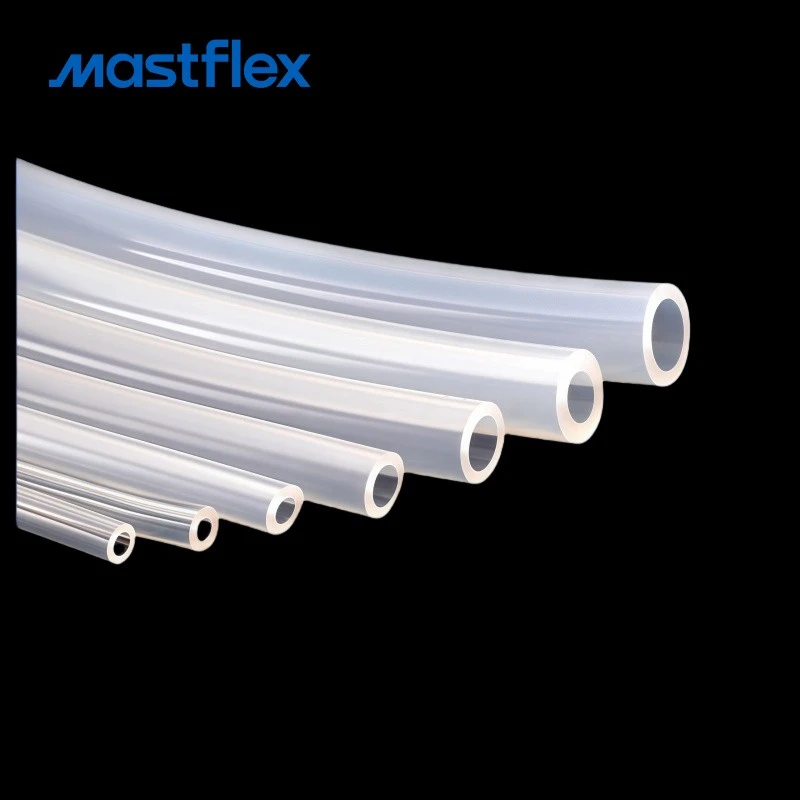
We tested the color stability of our FEP tubing by immersing samples in various chemical solutions. When exposed to concentrated sulfuric acid, which is a strong oxidizing agent, the tubing showed a slight yellowing after a few days of immersion. On the other hand, when immersed in less aggressive chemicals like ethanol or water, there was no observable color change even after prolonged exposure.
UV Radiation
Ultraviolet (UV) radiation can also affect the color stability of FEP tubing. UV rays have high energy and can break the chemical bonds in the FEP polymer. This can lead to the formation of new chemical species, which can cause the tubing to change color.
In outdoor applications or environments with high - intensity UV exposure, such as near welding operations or in sunlight - exposed areas, the FEP tubing may experience color fading or yellowing. We conducted UV exposure tests using a UV lamp to simulate long - term outdoor conditions. After several weeks of continuous UV exposure, the FEP tubing samples showed a visible lightening of color, indicating some degree of degradation.
Measuring Color Stability
To accurately assess the color stability of FEP tubing, we use a colorimeter. A colorimeter measures the color of a sample based on the CIE color space, which provides a quantitative way to describe color in terms of hue, saturation, and lightness. By comparing the initial color of the FEP tubing with its color after exposure to different conditions, we can precisely determine the extent of color change.
We also perform visual inspections regularly. Visual inspections can provide a quick and qualitative assessment of color change. However, they are subjective and may not be as accurate as colorimeter measurements.
Applications and Color Stability Requirements
The acceptable level of color change in FEP tubing depends on its specific application. In some applications, such as in chemical transfer lines where the tubing is not visible or where color change does not affect the functionality, a certain degree of color change may be acceptable. For example, in a chemical processing plant, as long as the tubing maintains its chemical resistance and structural integrity, a slight yellowing may not be a major concern.
In other applications, such as in medical devices or food - grade applications, color stability is of utmost importance. In medical devices, any significant color change could indicate a potential degradation of the material, which may affect its biocompatibility. In food - grade applications, consumers expect the tubing to maintain its clear and transparent appearance, and any color change could raise concerns about the safety and quality of the product.
Maintaining Color Stability
To maintain the color stability of FEP tubing, proper handling and storage are essential. When storing FEP tubing, it should be kept in a cool, dry place away from direct sunlight and sources of heat. This helps to minimize the effects of temperature and UV radiation on the tubing.
In applications where the tubing is exposed to high temperatures or aggressive chemicals, protective measures can be taken. For example, insulating the tubing can help to reduce the impact of high - temperature environments. Using chemical - resistant coatings or sheaths can also provide an additional layer of protection against chemical exposure.
Conclusion
Color stability is an important aspect of FEP tubing performance. As a FEP tubing supplier, we are committed to providing high - quality products with excellent color stability. We understand the various factors that can affect color stability, including temperature, chemical exposure, and UV radiation. By conducting rigorous testing and implementing proper quality control measures, we ensure that our FEP tubing meets the color stability requirements of different applications.
If you are in need of FEP tubing for your specific application and have concerns about color stability, we encourage you to contact us. Our team of experts can provide you with detailed information about the color stability of our products and help you select the most suitable FEP tubing for your needs. Whether you require FEP Plastic Tubing, FEP Corrugated Tubing, or FEP Hose, we are here to assist you.
References
- "Fluoropolymers: Chemistry and Applications" by John Scheirs. This book provides in - depth knowledge about the chemistry of fluoropolymers, including FEP, and their performance characteristics.
- "Polymer Degradation and Stability" journal. Articles in this journal often cover research on the degradation mechanisms of polymers, which is relevant to understanding the color change of FEP tubing under different conditions.
- Our internal research reports on FEP tubing performance, which include detailed data from our temperature, chemical exposure, and UV radiation experiments.


