


Hey there! As a supplier of PTFE Hose Assembly, I've seen my fair share of common problems that customers run into. In this blog, I'm gonna share some tips on how to troubleshoot these issues.
1. Leakage Problems
One of the most common problems with PTFE hose assemblies is leakage. It can be a real headache, but don't worry, there are ways to fix it.
a. Check the Connections
First things first, take a look at the connections. Loose or improperly tightened fittings are often the culprit. Make sure all the nuts and bolts are tightened to the recommended torque. If the fittings are damaged, you might need to replace them. For example, if the threads on a fitting are stripped, it won't create a proper seal, and that's when leaks happen.
b. Inspect the Hose Material
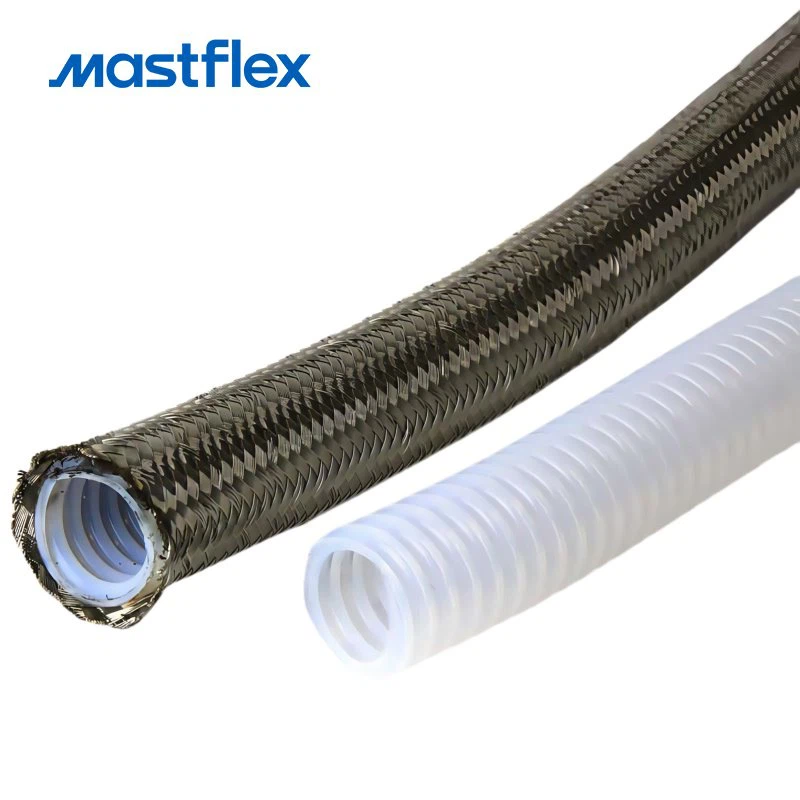
Sometimes, the PTFE hose itself can be the source of the leak. Check for any cuts, abrasions, or punctures in the hose. Even a small hole can cause significant leakage. If you find any damage, you'll have to replace the hose. When choosing a new hose, consider the PTFE Lined Braided Hose. It's known for its durability and excellent sealing properties.
c. Examine the Gaskets
Gaskets play a crucial role in preventing leaks. Over time, gaskets can wear out, harden, or become damaged. Inspect the gaskets at the connections. If they look worn or damaged, replace them with new ones. Make sure to choose gaskets that are compatible with the PTFE hose and the fluid or gas being transported.

2. Kinking and Bending Issues
PTFE hoses are flexible, but they can still kink or bend in ways that restrict the flow or even damage the hose.
a. Proper Installation
The key to avoiding kinking and bending problems is proper installation. When installing the hose, make sure to follow the manufacturer's guidelines. Avoid sharp bends and kinks. Use appropriate bends and supports to ensure the hose maintains a smooth and unrestricted path. For example, if you need to make a turn, use a properly sized elbow fitting instead of forcing the hose to bend sharply.
b. Check for External Obstructions
Sometimes, external objects can cause the hose to kink or bend. Look around the hose for any objects that might be pressing against it. Remove any obstructions and make sure the hose has enough clearance. If the hose is installed in a tight space, consider using a Convoluted PTFE Hose. Its convoluted design allows for greater flexibility and reduces the risk of kinking.
c. Monitor the Hose During Use
Keep an eye on the hose while it's in use. If you notice any signs of kinking or bending, take immediate action. Adjust the position of the hose or add additional supports if necessary. Regularly inspect the hose for any signs of damage caused by kinking or bending.
3. Pressure and Flow Problems
Problems with pressure and flow can affect the performance of the PTFE hose assembly.
a. Check for Blockages
A blockage in the hose can restrict the flow and cause pressure problems. Inspect the hose for any debris, dirt, or foreign objects that might be blocking the passage. If you find a blockage, try to remove it using a suitable tool. In some cases, you might need to flush the hose with a cleaning solution to clear the blockage.
b. Verify the Pressure Rating
Make sure the PTFE hose assembly is rated for the pressure and flow requirements of your application. If the pressure exceeds the hose's rating, it can lead to damage and performance issues. Check the manufacturer's specifications to ensure you're using the right hose for the job. If you need a hose that can handle high pressure, consider the Braided PTFE Hose Convoluted. It's designed to withstand higher pressures.
c. Inspect the Valves and Fittings
Valves and fittings can also affect the pressure and flow. Check the valves to make sure they're opening and closing properly. Inspect the fittings for any signs of damage or blockage. If necessary, clean or replace the valves and fittings to ensure proper operation.
4. Temperature-Related Problems
PTFE hoses are designed to withstand a wide range of temperatures, but extreme temperatures can still cause problems.
a. Cold Temperatures
In cold temperatures, PTFE hoses can become more brittle and less flexible. This can increase the risk of cracking and damage. If you're using the hose in cold environments, make sure to choose a hose that's rated for low temperatures. You might also need to provide additional insulation to protect the hose from the cold.
b. High Temperatures
High temperatures can cause the PTFE material to soften or degrade. This can lead to leakage, reduced strength, and other performance issues. Check the temperature rating of the hose and make sure it's suitable for your application. If the temperature is too high, consider using a hose with additional heat-resistant features or providing cooling measures.
5. Chemical Compatibility Issues
PTFE is known for its excellent chemical resistance, but it's still important to ensure that the hose is compatible with the chemicals it will be transporting.
a. Research Chemical Compatibility
Before using the PTFE hose assembly, research the chemical compatibility of the hose material with the chemicals involved. Check the manufacturer's chemical compatibility charts or consult with a chemical expert. Using an incompatible hose can lead to chemical reactions, degradation of the hose material, and potential safety hazards.
b. Monitor for Signs of Degradation
Regularly inspect the hose for any signs of chemical degradation, such as discoloration, swelling, or softening. If you notice any of these signs, stop using the hose immediately and replace it with a compatible one.
In conclusion, troubleshooting common problems in PTFE hose assemblies requires a systematic approach. By checking the connections, inspecting the hose material, and addressing issues related to kinking, pressure, temperature, and chemical compatibility, you can ensure the proper functioning of your PTFE hose assembly. If you're facing any problems or need help choosing the right PTFE hose for your application, don't hesitate to reach out. We're here to assist you with all your PTFE hose assembly needs. Whether you're in the market for a new hose or need advice on maintenance, we've got you covered. Let's start a conversation and find the best solution for your specific requirements.
References
- Manufacturer's manuals and specifications for PTFE hose assemblies
- Industry standards and guidelines for hose installation and maintenance
- Chemical compatibility charts provided by PTFE hose manufacturers


