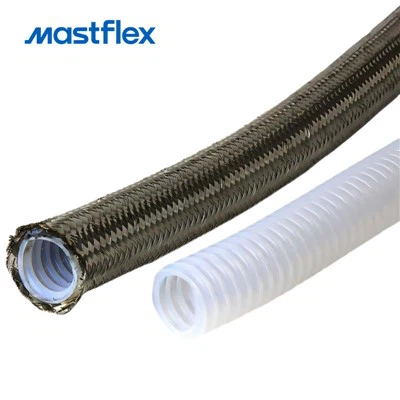
Can silicone food hose be used for transporting seafood?
Hey there! I'm a supplier of Silicone Food Hose, and I often get asked this question: Can silicone food hose be used for transporting seafood? Well, let's dive into it and find out.
First off, let's talk about what silicone food hoses are. These hoses are made from high - quality silicone material that is designed to meet strict food - contact standards. They're flexible, durable, and resistant to a wide range of temperatures and chemicals. That's why they're so popular in the food industry.
Now, when it comes to transporting seafood, there are a few key factors we need to consider.
1. Compatibility with Seafood
Seafood has some unique characteristics. It's often wet, and it can contain various salts, acids, and other substances. Silicone is a great material in this regard because it's chemically inert. This means it won't react with the salts and acids in seafood. You don't have to worry about the silicone leaching harmful chemicals into the seafood, and the seafood won't corrode the hose. It provides a safe and clean way to transport your catch.
One of my customers, a local seafood business, once told me that they used to have problems with other types of hoses. The hoses would start to break down after a while, and there were concerns about contamination. But since they switched to our silicone food hoses, they've had no such issues. The seafood arrives at its destination in great condition, and they don't have to deal with the hassle of frequent hose replacements.
2. Hygiene and Cleanliness
Hygiene is super important when it comes to transporting seafood. No one wants to eat seafood that has been sitting in a dirty hose. Silicone food hoses are really easy to clean. You can use common cleaning agents, and the smooth inner surface of the hose doesn't allow bacteria and other contaminants to stick easily.
After each use, you can simply rinse the hose with clean water and then give it a proper cleaning with a mild detergent. This ensures that the next batch of seafood you transport is in a clean environment. And because silicone is resistant to mold and mildew, you don't have to worry about those growing inside the hose, which could potentially contaminate the seafood.
3. Temperature Resistance
Seafood often needs to be transported at low temperatures to keep it fresh. Silicone food hoses can handle a wide range of temperatures, from very cold to relatively hot. Whether you're transporting freshly caught seafood on ice or dealing with some pre - cooked seafood that's still warm, the silicone hose won't crack or lose its shape.
For example, if you're transporting frozen seafood, the hose can withstand the cold temperatures without becoming brittle. And if you're moving some cooked seafood that's been heated during processing, the hose won't melt or deform. This temperature resistance is a huge plus when it comes to ensuring the quality of the seafood during transportation.
4. Flexibility
Flexibility is another big advantage of silicone food hoses. When you're transporting seafood, you may need to move the hoses around, connect them in different configurations, or place them in tight spaces. Silicone hoses are very flexible, which makes them easy to install and maneuver.


You can bend them into different shapes without kinking, which means the flow of seafood through the hose remains smooth. This is especially important when you're dealing with a continuous flow of seafood, like in a processing plant. You can set up the hoses in the most efficient way possible, without having to worry about blockages due to kinked hoses.
Our Product Range
We offer a variety of silicone food hoses that are suitable for transporting seafood. Check out our FDA Silicone Hose, which meets the strict standards set by the FDA. This means it's safe for food contact and can be used with confidence when transporting seafood.
Our Flexible Sanitary Hose is also a great option. It's extremely flexible, making it easy to install in different setups, and it's designed to maintain high levels of hygiene.
And if you're in the dairy or seafood industries where a more specialized hose is needed, our Silicone Milk Hose could be just what you're looking for. It has the same high - quality silicone construction and can be used for transporting all kinds of food products, including seafood.
Potential Concerns
Now, I know some people might have a few concerns. One common concern is the cost. Silicone food hoses can be a bit more expensive than some other types of hoses. But when you think about the long - term benefits, like durability, hygiene, and the protection of your seafood, it's definitely worth the investment. You'll save money in the long run by not having to replace hoses as often and by reducing the risk of seafood contamination.
Another concern could be about the strength of the hose. But our silicone food hoses are made to be strong and robust. They can handle the pressure of the seafood flowing through them, whether it's a small batch or a large - scale operation.
Conclusion
So, to answer the question, yes, silicone food hoses can definitely be used for transporting seafood. They offer a safe, hygienic, and efficient way to move your seafood from one place to another. Whether you're a small - scale fisherman or a large - scale seafood processing plant, our silicone food hoses are a great choice.
If you're interested in finding out more about our silicone food hoses for seafood transportation, or if you want to discuss your specific needs, feel free to reach out. We're always here to help you make the right decision and ensure the smooth and safe transportation of your seafood.
References
- General knowledge about material science of silicone and its properties in food - grade applications.
- Industry reports on the requirements for seafood transportation and storage.
- User feedback from customers in the seafood industry using silicone food hoses.