


Hey there! As a supplier of Medical Silicone Hose, I often get asked whether medical silicone hoses can be used in medical devices. Well, let's dive right into this topic and find out.
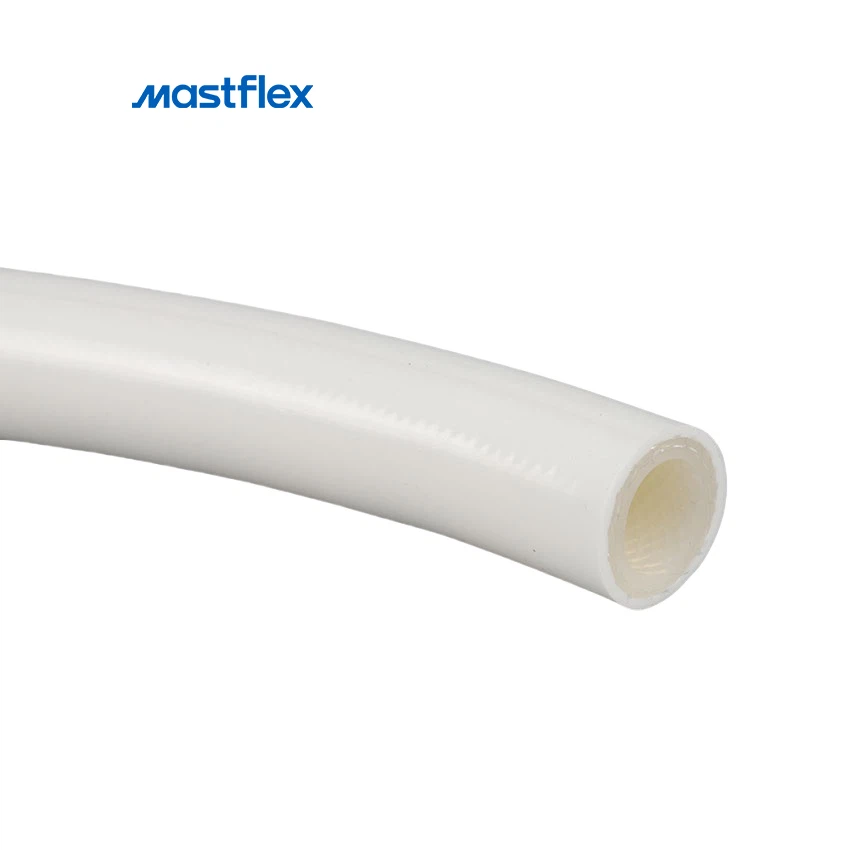
First off, what exactly are medical silicone hoses? Medical silicone hoses are made from high - quality silicone materials. They're designed to meet the strict requirements of the medical industry. You can check out more about them on our website: Medical Silicone Hose.
One of the key reasons why medical silicone hoses are a great fit for medical devices is their biocompatibility. Biocompatibility means that the material can interact with the human body without causing any adverse reactions. In the medical field, this is super important. For example, when a medical device is used for drug delivery or for transferring bodily fluids, the hose that comes into contact with these substances needs to be safe. Silicone is known for being non - toxic and hypoallergenic, which makes it suitable for such applications.
Another advantage is the flexibility of medical silicone hoses. They can be bent and shaped easily without kinking. This is crucial in medical devices where the hoses may need to be routed through tight spaces or around other components. For instance, in some portable medical devices, the hoses need to be able to move and flex with the device's movement. The flexibility of silicone hoses allows for a more ergonomic design of medical devices.
Medical silicone hoses also have excellent chemical resistance. They can withstand exposure to a wide range of chemicals, including various drugs and disinfectants. This is essential because medical devices often need to be cleaned and sterilized regularly. A hose that can resist the chemicals used in the cleaning and sterilization process will have a longer lifespan and maintain its performance over time.
In addition to these properties, silicone hoses have good temperature resistance. They can operate in a wide range of temperatures, from cold storage conditions to the high temperatures used in autoclaving for sterilization. This makes them suitable for different types of medical devices, whether they're used in a laboratory setting where low temperatures may be required or in a surgical environment where high - temperature sterilization is necessary.
Now, let's talk about some specific applications of medical silicone hoses in medical devices.
In the field of biopharmaceuticals, Biopharmaceutical Flexible Hoses are widely used. These hoses are used for the transfer of cell cultures, media, and other biopharmaceutical products. The biocompatibility of silicone ensures that the products remain uncontaminated and that the cells can grow and function properly. The flexibility and chemical resistance of the hoses also make them ideal for the complex processes involved in biopharmaceutical manufacturing.
In the pharmaceutical industry, Pharmaceutical Flexible Hoses play a vital role. They're used for the transfer of liquid drugs during the manufacturing process, as well as for filling and packaging operations. The ability of silicone hoses to resist chemical reactions with the drugs and to maintain a clean and sterile environment is crucial for ensuring the quality and safety of pharmaceutical products.
In medical devices such as ventilators, medical silicone hoses are used to deliver oxygen and other gases to patients. The flexibility of the hoses allows for easy connection and adjustment, while the biocompatibility ensures that the gases are delivered safely to the patient's respiratory system.
However, it's important to note that not all medical silicone hoses are created equal. When choosing a medical silicone hose for a medical device, several factors need to be considered.
The quality of the silicone material is of utmost importance. High - quality silicone will have better biocompatibility, chemical resistance, and temperature resistance. You need to make sure that the hose meets the relevant medical standards and regulations. For example, in the United States, medical devices and their components need to comply with the regulations set by the Food and Drug Administration (FDA).
The size and diameter of the hose also matter. The hose needs to be sized appropriately for the flow rate and pressure requirements of the medical device. A hose that is too small may restrict the flow, while a hose that is too large may not fit properly or may cause inefficiencies in the system.
Surface finish is another factor. A smooth surface finish on the hose reduces the risk of particle shedding and makes it easier to clean and sterilize. This is especially important in applications where the hose comes into contact with drugs or bodily fluids.
As a supplier of medical silicone hoses, we understand the importance of these factors. We offer a wide range of medical silicone hoses that are made from high - quality materials and are designed to meet the strict requirements of the medical industry. Our hoses are tested and certified to ensure their quality and performance.
If you're in the business of manufacturing medical devices and are looking for a reliable supplier of medical silicone hoses, we'd love to hear from you. Whether you need hoses for biopharmaceutical applications, pharmaceutical manufacturing, or other medical device uses, we can provide you with the right products. Contact us to start a discussion about your specific requirements and to get a quote. We're committed to providing you with the best - quality medical silicone hoses and excellent customer service.

References
- "Silicone Elastomers in Medical Applications" by various authors in a medical materials research journal.
- FDA regulations on medical device components.
- Industry reports on the use of silicone hoses in the medical field.


