


Hey there! As a supplier of Silicone Sanitary Hose, I often get asked about the tensile strength of these hoses. So, let's dive right in and break it down.
First off, what exactly is tensile strength? Well, in simple terms, it's the maximum amount of pulling force a material can withstand before it breaks. For a silicone sanitary hose, this is a crucial property. You see, these hoses are used in a variety of applications where they might be subjected to stretching, tugging, or other forms of pulling. Whether it's in the food and beverage industry, pharmaceutical sector, or even in some dairy applications, the hose needs to hold up under stress.
Silicone is a pretty amazing material. It's flexible, durable, and resistant to a wide range of temperatures and chemicals. When it comes to tensile strength, silicone sanitary hoses are designed to have a certain level of robustness. The tensile strength of a silicone sanitary hose can vary depending on a few factors.
One of the main factors is the type of silicone used. There are different grades of silicone, and each has its own characteristics. Higher - grade silicones often have better tensile strength. For example, medical - grade or FDA - compliant silicones are formulated to meet strict standards, and they usually have a decent amount of strength to ensure they can handle the rigors of their intended applications.
The manufacturing process also plays a big role. A well - made silicone sanitary hose will have a more uniform structure, which helps distribute the stress evenly when a pulling force is applied. If the hose is poorly manufactured, there might be weak spots that can lead to premature failure.
Another factor is the thickness of the hose wall. Generally, a thicker walled hose will have a higher tensile strength. However, this also needs to be balanced with the flexibility requirements of the application. You don't want a hose that's so thick it becomes too rigid to use in a particular setup.
Let's talk about some real - world applications. In the food industry, silicone food hoses are used for transferring all sorts of liquids and semi - solids. They might be connected to pumps or other equipment, and during the transfer process, there could be some pulling and stretching. A hose with good tensile strength will ensure that there are no leaks or breaks, which is crucial for maintaining the hygiene and quality of the food products.
In the dairy industry, silicone milk hoses are used to transport milk from cows to storage tanks or processing equipment. These hoses need to be able to handle the weight of the milk and any movement during the milking and transfer process. If the tensile strength is too low, the hose could rupture, leading to a mess and potential contamination.

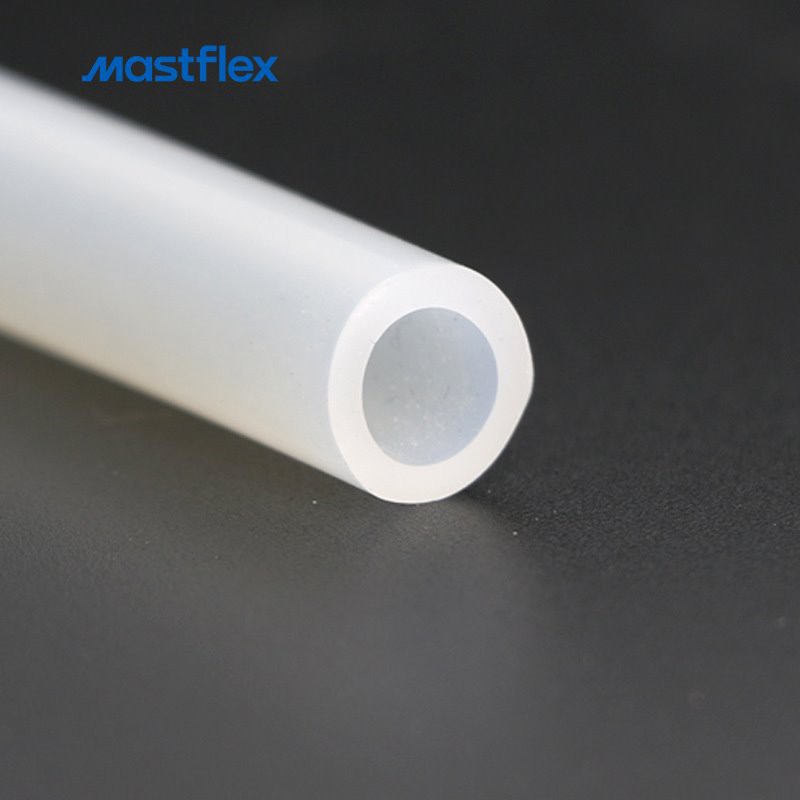
Now, how do we measure the tensile strength of a silicone sanitary hose? Well, there are standard testing methods. One common way is to use a tensile testing machine. The hose sample is held at both ends, and a gradually increasing pulling force is applied until the hose breaks. The maximum force recorded is the tensile strength of the hose.
It's important to note that the tensile strength is usually reported in units like pounds per square inch (psi) or megapascals (MPa). Different industries might have different requirements for the minimum tensile strength of the hoses they use. For example, a high - pressure application might need a hose with a much higher tensile strength compared to a low - pressure, gentle transfer application.
When you're looking for a silicone sanitary hose, it's a good idea to ask the supplier about the tensile strength. A reliable supplier, like us, will be able to provide you with detailed information about the hoses we offer. We can tell you the grade of silicone used, the manufacturing process, and the actual tensile strength values.
We also understand that every application is unique. That's why we offer a range of silicone sanitary hoses with different specifications. Whether you need a hose with a high tensile strength for a heavy - duty application or a more flexible hose with a lower but still adequate tensile strength for a less demanding job, we've got you covered.
If you're in the process of sourcing silicone sanitary hoses for your business, don't just focus on the price. While cost is an important factor, the quality and performance of the hose, including its tensile strength, are equally crucial. A cheap hose with poor tensile strength might end up costing you more in the long run due to frequent replacements and potential product losses.
So, if you're interested in learning more about our silicone sanitary hoses or have specific questions about tensile strength and which hose would be best for your application, feel free to reach out. We're here to help you make the right choice and ensure that your operations run smoothly.
In conclusion, the tensile strength of a silicone sanitary hose is a key property that affects its performance and reliability in various industries. By understanding the factors that influence it and working with a trusted supplier, you can get the best hose for your needs.
References:
- "Silicone Rubber Technology" by Werner J. Bartz
- Industry standards for silicone hoses in food, dairy, and pharmaceutical applications


