


Hey there, everyone! As a supplier of Medical Silicone Hose, I often get asked about the markings on these hoses. It's a crucial topic because the markings carry important information that affects how these hoses are used in the medical field. So, let's dive right in and explore what these markings are all about.
First off, let's understand why markings on medical silicone hoses are so important. In the medical world, precision and safety are of utmost importance. Every piece of equipment, including silicone hoses, needs to be clearly labeled to ensure that healthcare professionals can use them correctly. The markings provide details about the hose's specifications, its intended use, and safety information. This helps prevent any mix - ups or incorrect usage, which could potentially endanger patients' lives.
One of the most common markings you'll find on medical silicone hoses is the size. The size of the hose is usually indicated by its inner diameter (ID) and outer diameter (OD). For example, you might see a marking like “ID: 6mm, OD: 10mm”. This information is crucial because different medical procedures require hoses of specific sizes. Whether it's for transporting fluids, gases, or other substances, using the wrong size hose can lead to improper flow rates, blockages, or leaks.
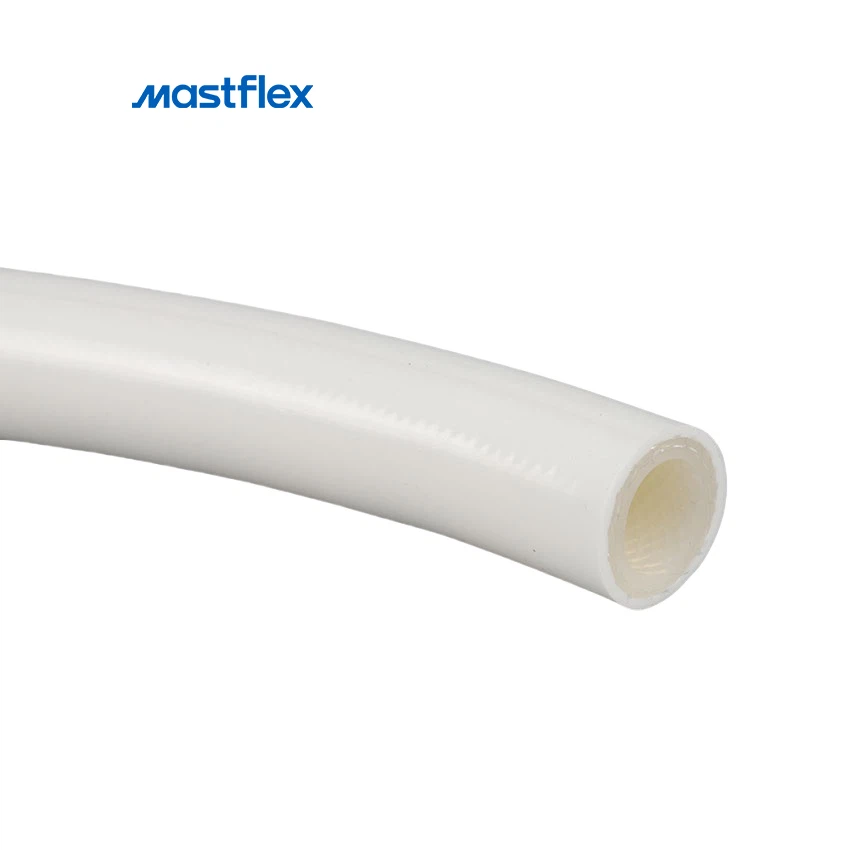

Another important marking is the material specification. Medical silicone hoses are made from high - quality silicone materials that are biocompatible. The marking might show the type of silicone used, such as food - grade silicone or medical - grade silicone. This is essential because medical - grade silicone is specifically designed to be in contact with the human body without causing any adverse reactions. It meets strict regulatory standards and is tested for things like toxicity, hemocompatibility, and chemical resistance.
The markings also often include information about the hose's temperature range. Medical procedures can involve different temperatures, and the hose needs to be able to withstand these conditions. For instance, a marking might say “Temperature Range: - 40°C to 200°C”. This tells the user that the hose can be safely used within this temperature range without degrading or losing its properties.
In addition to these basic markings, there are also markings related to the hose's intended use. Some hoses are specifically designed for pharmaceutical applications. You can find out more about Pharmaceutical Silicone Hose on our website. These hoses are used in the production, storage, and transfer of pharmaceutical products. They need to meet even higher standards of cleanliness and purity. The markings on these hoses might indicate that they are suitable for use in a pharmaceutical environment, such as “For Pharmaceutical Use Only”.
Similarly, Medical Silicone Hose is used directly in medical treatments. The markings on these hoses will provide information about their compatibility with different medical fluids, drugs, or gases. For example, a hose might be marked as “Compatible with Oxygen” or “Suitable for Blood Transfusion”. This helps healthcare providers choose the right hose for the specific medical procedure.
There are also markings related to the manufacturing process and quality control. A lot of medical silicone hoses are manufactured under strict quality management systems. The markings might include a batch number, which allows for traceability. If there is ever an issue with a particular batch of hoses, the manufacturer can easily track it back to the production process and take appropriate action.
Now, let's talk about the different methods of applying these markings. There are several ways to mark medical silicone hoses. One common method is printing. High - quality inks are used to print the markings directly on the surface of the hose. The ink needs to be durable and resistant to wear and tear, as well as chemical and environmental factors. Another method is embossing. In this process, the markings are pressed into the surface of the hose, creating a raised or indented pattern. Embossed markings are very long - lasting and can be easily read even after years of use.
Regulatory requirements play a big role in determining what markings should be on medical silicone hoses. Different countries and regions have their own regulations regarding medical devices, including silicone hoses. For example, in the European Union, medical devices need to comply with the Medical Device Regulation (MDR). This regulation sets strict standards for labeling, including what information should be included on the markings. In the United States, the Food and Drug Administration (FDA) regulates medical devices, and the markings on medical silicone hoses need to meet FDA requirements.
As a supplier, we take these regulatory requirements very seriously. We ensure that all our Pharmaceutical Flexible Hoses and medical silicone hoses are marked correctly and comply with all relevant regulations. This gives our customers the confidence that they are using safe and reliable products.
If you're in the medical or pharmaceutical industry and are in the market for high - quality medical silicone hoses, we'd love to hear from you. Our hoses are made with the highest standards of quality and are clearly marked to provide all the necessary information. We can offer a wide range of sizes, materials, and specifications to meet your specific needs. Whether you're looking for hoses for a small - scale medical practice or a large pharmaceutical manufacturing facility, we've got you covered.
So, don't hesitate to reach out to us for more information or to start a procurement discussion. We're here to help you find the perfect medical silicone hose solutions for your business.
References
- Medical Device Regulation (MDR) in the European Union
- Food and Drug Administration (FDA) regulations in the United States


