


Flexibility is a crucial characteristic when it comes to selecting tubing for various applications. As a supplier of FEP tubing, I've witnessed firsthand how its unique flexibility sets it apart from other materials. In this blog post, I'll delve into what makes FEP tubing so flexible and explore its implications for different industries.
Understanding FEP Tubing
Before we discuss flexibility, let's briefly understand what FEP tubing is. FEP, or Fluorinated Ethylene Propylene, is a fluoropolymer known for its excellent chemical resistance, high clarity, and low friction coefficient. It's a melt-processable material, which means it can be easily formed into tubing through extrusion processes. FEP tubing is commonly used in industries such as chemical processing, pharmaceuticals, food and beverage, and semiconductor manufacturing.
What Defines the Flexibility of FEP Tubing?
The flexibility of FEP tubing is primarily determined by its molecular structure and physical properties. FEP has a relatively low glass transition temperature (Tg), which is the temperature at which a polymer transitions from a hard, glassy state to a more flexible, rubbery state. For FEP, the Tg is around -20°C (-4°F), which means it remains flexible even at relatively low temperatures.
Another factor contributing to its flexibility is the long, linear molecular chains of FEP. These chains can slide past each other relatively easily, allowing the tubing to bend and flex without cracking or breaking. Additionally, FEP has a high degree of crystallinity, which provides some structural integrity while still allowing for flexibility.
Benefits of Flexibility in FEP Tubing
Ease of Installation
One of the most significant advantages of flexible FEP tubing is its ease of installation. It can be easily bent and routed around obstacles, making it ideal for complex piping systems. Whether you're installing tubing in a laboratory, a chemical processing plant, or a semiconductor fabrication facility, the flexibility of FEP tubing simplifies the installation process and reduces the need for additional fittings and connectors.
Resistance to Kinking
Flexible FEP tubing is highly resistant to kinking, which is a common problem with rigid tubing. Kinking can restrict the flow of fluids or gases through the tubing, leading to reduced efficiency and potential damage to the system. The ability of FEP tubing to bend without kinking ensures a continuous and unobstructed flow, making it a reliable choice for applications where flow consistency is critical.
Vibration and Movement Tolerance
In applications where there is vibration or movement, flexible FEP tubing can absorb and dampen the energy, reducing stress on the tubing and the connected components. This makes it suitable for use in equipment such as pumps, compressors, and vibrating machinery. The flexibility of FEP tubing helps to prevent fatigue failure and extends the lifespan of the tubing and the overall system.
Customization and Adaptability
The flexibility of FEP tubing allows for easy customization and adaptation to specific application requirements. It can be cut to the desired length, bent into various shapes, and connected to different types of fittings and connectors. This versatility makes FEP tubing a popular choice for a wide range of applications, from simple laboratory setups to complex industrial processes.

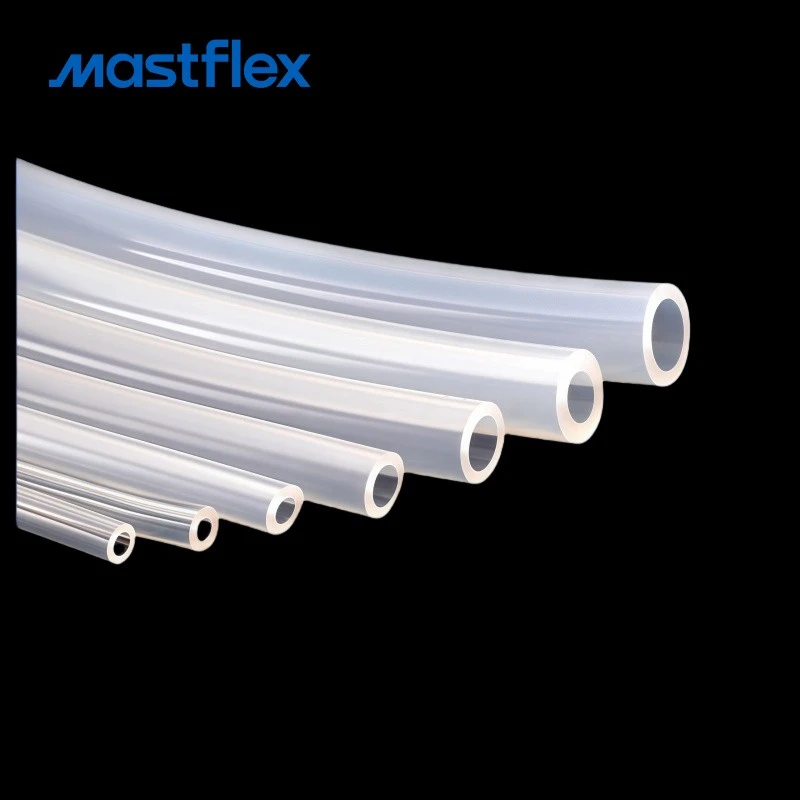
Applications of Flexible FEP Tubing
Chemical Processing
In the chemical processing industry, FEP tubing is widely used for transporting corrosive chemicals, acids, and solvents. Its flexibility allows it to be easily integrated into chemical handling systems, where it can withstand the harsh chemical environment and provide a reliable and leak-free solution. FEP tubing is also resistant to high temperatures, making it suitable for use in processes that involve heating or cooling.
Pharmaceuticals
In the pharmaceutical industry, FEP tubing is used for a variety of applications, including drug delivery, fluid transfer, and laboratory testing. Its flexibility and chemical resistance make it an ideal choice for handling sensitive pharmaceutical products, as it ensures the integrity and purity of the substances being transported. FEP tubing is also easy to clean and sterilize, which is essential for maintaining a hygienic environment in pharmaceutical manufacturing and research facilities.
Food and Beverage
In the food and beverage industry, FEP tubing is used for transferring liquids, such as water, juices, and dairy products. Its flexibility and smooth inner surface make it easy to clean and prevent the buildup of bacteria and other contaminants. FEP tubing is also compliant with food safety regulations, ensuring that it is safe for use in contact with food and beverages.
Semiconductor Manufacturing
In the semiconductor manufacturing industry, FEP tubing is used for transporting ultra-pure chemicals and gases in cleanroom environments. Its flexibility allows it to be easily routed through complex piping systems, while its high chemical resistance and low particle generation ensure the purity and quality of the semiconductor manufacturing process. FEP tubing is also resistant to static electricity, which is important for preventing damage to sensitive semiconductor components.
Comparing FEP Tubing with Other Materials
When compared to other types of tubing, such as PVC, silicone, and PTFE, FEP tubing offers several advantages in terms of flexibility. PVC tubing is relatively rigid and can be prone to cracking and kinking, especially at low temperatures. Silicone tubing is flexible but may not have the same level of chemical resistance as FEP tubing. PTFE tubing is highly chemical resistant but can be more difficult to bend and form than FEP tubing.
Overall, FEP tubing strikes a good balance between flexibility, chemical resistance, and temperature resistance, making it a versatile and reliable choice for a wide range of applications.
Conclusion
The flexibility of FEP tubing is a key characteristic that makes it a popular choice for various industries. Its ability to bend and flex without cracking or breaking, combined with its excellent chemical resistance and other properties, makes it a reliable and versatile solution for transporting fluids and gases in a wide range of applications. Whether you're looking for tubing for chemical processing, pharmaceuticals, food and beverage, or semiconductor manufacturing, FEP tubing offers the flexibility and performance you need.
If you're interested in learning more about our FEP tubing products or have specific application requirements, please don't hesitate to contact us. We're here to help you find the right tubing solution for your needs.
References
- "Fluoropolymers: A Comprehensive Guide" by David A. Tomalia
- "Handbook of Plastics, Elastomers, and Composites" by Charles A. Harper
- "Polymer Science and Technology" by Joel R. Fried


