


Is white silicone tubing resistant to chemicals? That's a question I get asked a lot as a supplier of white silicone tubing. And it's an important one, too, because if you're using tubing in a chemical environment, you need to know it can stand up to the substances it's exposed to.
Understanding White Silicone Tubing
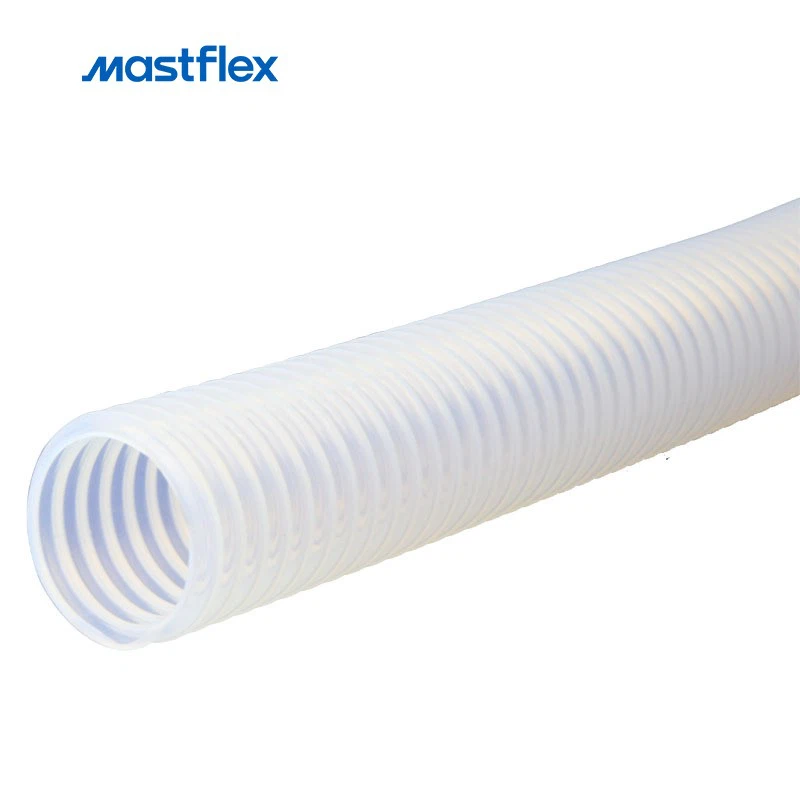
First off, let me give you a bit of background on white silicone tubing. It's made from silicone rubber, which is a synthetic polymer. Silicone has some really great properties. It's flexible, durable, and can handle a wide range of temperatures. White silicone tubing, in particular, is often used in applications where cleanliness and visibility are important, like in the food and beverage industry, pharmaceuticals, and medical devices.

Chemical Resistance of White Silicone Tubing
So, is it resistant to chemicals? Well, the answer is, it depends. Silicone is generally resistant to a lot of common chemicals. For example, it can handle mild acids and bases, as well as some organic solvents. But it's not invincible.
Resistance to Acids and Bases
White silicone tubing can usually withstand weak acids and bases. For instance, it can handle acetic acid, which is found in vinegar, and sodium hydroxide solutions at low concentrations. However, strong acids and bases can damage the tubing over time. Concentrated sulfuric acid or hydrochloric acid, for example, can break down the silicone structure, causing it to become brittle or lose its flexibility.
Resistance to Organic Solvents
When it comes to organic solvents, the picture is a bit more mixed. Silicone tubing is resistant to some solvents like ethanol and isopropyl alcohol. These are commonly used in cleaning and disinfection processes, so it's great that the tubing can handle them. But other solvents, like toluene and benzene, can cause swelling and degradation of the silicone. If you're using the tubing in an environment where it might come into contact with these solvents, you need to be careful.
Other Chemicals
There are also other chemicals that can affect white silicone tubing. For example, some oxidizing agents can cause the tubing to discolor or become brittle. And certain types of oils and greases can penetrate the silicone, leading to changes in its physical properties.
Factors Affecting Chemical Resistance
The chemical resistance of white silicone tubing isn't just about the type of chemical. There are other factors that come into play, too.
Temperature
Temperature can have a big impact on how well the tubing resists chemicals. Higher temperatures can speed up chemical reactions, so the tubing might break down more quickly in a hot environment. On the other hand, very low temperatures can make the tubing more brittle, which can also affect its resistance to chemicals.
Concentration
The concentration of the chemical is also important. A low - concentration solution might not have much of an effect on the tubing, but a high - concentration one could cause significant damage.
Exposure Time
How long the tubing is exposed to the chemical matters as well. A short - term exposure might not cause any problems, but a long - term exposure could lead to degradation.
Applications and Chemical Resistance
In different applications, the chemical resistance requirements of white silicone tubing vary.
Food and Beverage Industry
In the food and beverage industry, white silicone tubing is often used for transferring liquids. It needs to be resistant to food acids, such as citric acid in fruit juices, and cleaning agents used in the production process. Since these are usually mild chemicals, white silicone tubing works well in this environment.
Pharmaceutical and Medical Applications
In the pharmaceutical and medical fields, the tubing is used for drug delivery, fluid transfer, and other critical applications. It has to be resistant to a wide range of chemicals, including disinfectants and sterilizing agents. Platinum - cured silicone tubing, like the Platinum Silicone Tubing, is often used in these applications because it has better chemical resistance and is more biocompatible.
Industrial Applications
In industrial settings, the tubing might be exposed to more aggressive chemicals. For example, in chemical processing plants, it could come into contact with strong acids, bases, and solvents. In these cases, reinforced silicone tubing, such as Reinforced Silicone Tubing, might be a better choice. It has a stronger structure that can better withstand the chemical stress.
Corrugated Tubing
Silicone Corrugated Tube is another option. The corrugated design provides flexibility and can be useful in applications where the tubing needs to be bent or routed around obstacles. However, the corrugations can trap chemicals, so it's important to make sure the tubing is cleaned properly to maintain its chemical resistance.
How to Ensure Chemical Resistance
If you're using white silicone tubing in a chemical environment, there are a few things you can do to ensure its chemical resistance.
Choose the Right Tubing
First, make sure you choose the right type of tubing for your application. Consider the chemicals it will be exposed to, the temperature, and the pressure. If you're not sure, you can always consult with a technical expert.
Test the Tubing
Before using the tubing in your process, it's a good idea to test it with the chemicals you'll be using. You can do a small - scale test to see how the tubing reacts over a period of time.
Maintain the Tubing
Proper maintenance is also important. Clean the tubing regularly to remove any chemical residues. And make sure to store it in a cool, dry place when it's not in use.
Conclusion
So, is white silicone tubing resistant to chemicals? It can be, but it's not a one - size - fits - all answer. The chemical resistance depends on the type of chemical, the temperature, the concentration, and the exposure time. As a supplier, I can help you choose the right tubing for your specific application. Whether you need Platinum Silicone Tubing for a medical application, Reinforced Silicone Tubing for an industrial setting, or Silicone Corrugated Tube for a flexible solution, I've got you covered.
If you're interested in purchasing white silicone tubing or have any questions about its chemical resistance, don't hesitate to reach out. I'm here to help you find the best tubing for your needs.
References
- "Silicone Rubber: Properties and Applications" - Rubber Manufacturers Association
- "Chemical Resistance of Elastomers" - ASTM International


