


Proper storage of pharma flexible hoses is crucial for maintaining their quality and performance. As a trusted supplier of Pharmaceutical Flexible Hoses, we understand the significance of ensuring that these hoses are stored correctly to meet the stringent requirements of the pharmaceutical industry. In this blog, we will delve into the best practices for storing pharma flexible hoses to help you preserve their integrity and functionality.
Understanding the Importance of Proper Storage
Pharma flexible hoses are designed to meet strict quality and safety standards, making them suitable for use in pharmaceutical manufacturing, medical applications, and other critical processes. Improper storage can lead to a variety of issues, including degradation of the hose material, contamination, and damage to the hose's structure. These problems can compromise the performance of the hoses and potentially pose risks to the quality of the products they are used to transport.
By storing pharma flexible hoses properly, you can extend their lifespan, reduce the risk of contamination, and ensure that they continue to meet the required specifications. This not only helps to maintain the efficiency of your operations but also safeguards the integrity of your pharmaceutical products.
Factors Affecting the Storage of Pharma Flexible Hoses
Several factors can influence the storage requirements of pharma flexible hoses. These include the type of hose material, the environmental conditions, and the duration of storage. Understanding these factors is essential for implementing effective storage practices.

Hose Material
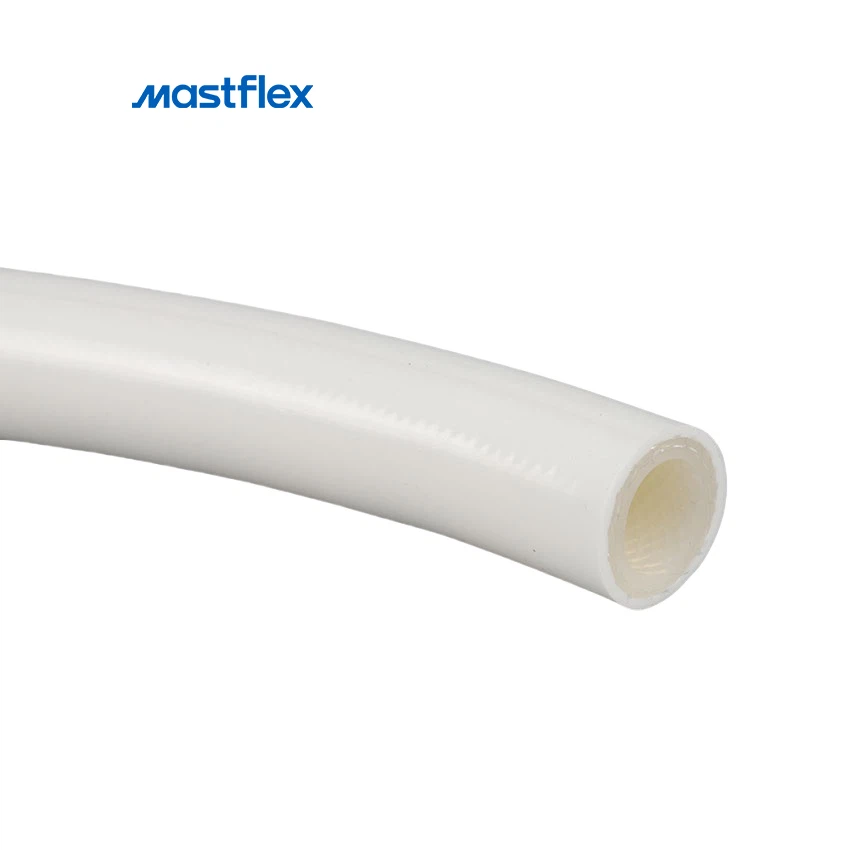
Pharma flexible hoses are typically made from a variety of materials, including Pharmaceutical Silicone Hose, medical-grade PVC, and Teflon. Each material has its own unique properties and storage requirements.
- Silicone Hoses: Silicone hoses are known for their excellent chemical resistance, high temperature tolerance, and flexibility. They are also resistant to microbial growth, making them suitable for use in sterile environments. However, silicone hoses can be sensitive to certain chemicals and solvents, so it is important to store them away from sources of contamination.
- PVC Hoses: PVC hoses are commonly used in pharmaceutical applications due to their affordability and versatility. They are resistant to many chemicals and have good flexibility. However, PVC hoses can be affected by high temperatures and sunlight, which can cause them to become brittle and crack over time.
- Teflon Hoses: Teflon hoses are highly resistant to chemicals, high temperatures, and abrasion. They are often used in applications where extreme conditions are encountered. Teflon hoses are relatively stable and can be stored for long periods without significant degradation.
Environmental Conditions
The environmental conditions in which pharma flexible hoses are stored can have a significant impact on their performance. Factors such as temperature, humidity, light, and air quality can all affect the integrity of the hose material.
- Temperature: Extreme temperatures can cause the hose material to expand or contract, leading to stress and potential damage. It is recommended to store pharma flexible hoses in a temperature-controlled environment, ideally between 20°C and 25°C.
- Humidity: High humidity levels can promote the growth of mold and bacteria, which can contaminate the hoses. It is important to store the hoses in a dry environment with a relative humidity of less than 60%.
- Light: Exposure to sunlight and ultraviolet (UV) radiation can cause the hose material to degrade and become brittle. It is advisable to store the hoses in a dark or shaded area to protect them from light.
- Air Quality: The presence of dust, dirt, and other contaminants in the air can also affect the quality of the hoses. It is recommended to store the hoses in a clean and well-ventilated area to minimize the risk of contamination.
Duration of Storage
The duration of storage can also influence the storage requirements of pharma flexible hoses. If the hoses are to be stored for a short period, the storage conditions may be less critical. However, for long-term storage, it is important to take additional precautions to ensure the preservation of the hoses.
Best Practices for Storing Pharma Flexible Hoses
Based on the factors discussed above, the following are some best practices for storing pharma flexible hoses:
Clean and Inspect the Hoses
Before storing the hoses, it is important to clean them thoroughly to remove any dirt, debris, or residual chemicals. Use a mild detergent and warm water to clean the hoses, and rinse them thoroughly to ensure that all traces of the detergent are removed. After cleaning, inspect the hoses for any signs of damage, such as cracks, cuts, or abrasions. If any damage is detected, the hoses should be repaired or replaced before storage.
Protect the Hoses from Contamination
To prevent contamination, it is recommended to store the hoses in a sealed container or packaging. This can help to protect the hoses from dust, dirt, and other contaminants. If the hoses are to be stored in a rack or on a shelf, it is advisable to cover them with a clean cloth or plastic sheet to provide an additional layer of protection.
Store the Hoses in a Suitable Location
Choose a storage location that meets the environmental requirements discussed above. The storage area should be clean, dry, and well-ventilated, and should be protected from extreme temperatures, humidity, light, and air pollution. If possible, store the hoses in a dedicated storage room or cabinet to minimize the risk of contamination.
Arrange the Hoses Properly
When storing the hoses, it is important to arrange them in a way that prevents them from becoming kinked, twisted, or compressed. This can help to maintain the flexibility and integrity of the hoses. If the hoses are to be stored in a coil, make sure that the coils are not too tight, as this can cause stress on the hose material.
Rotate the Stock
To ensure that the hoses are used in a timely manner, it is recommended to implement a stock rotation system. This involves using the oldest hoses first and replacing them with new ones. By rotating the stock, you can minimize the risk of the hoses deteriorating due to long-term storage.
Monitor the Storage Conditions
Regularly monitor the storage conditions to ensure that they remain within the recommended range. Use a thermometer and hygrometer to measure the temperature and humidity levels in the storage area, and make adjustments as necessary. Inspect the hoses periodically for any signs of damage or degradation.
Conclusion
Proper storage of pharma flexible hoses is essential for maintaining their quality and performance. By understanding the factors that affect the storage of these hoses and implementing the best practices outlined in this blog, you can ensure the preservation of the hoses and minimize the risk of contamination. As a leading supplier of Medical Silicone Hose and other pharma flexible hoses, we are committed to providing our customers with high-quality products and expert advice on storage and handling. If you have any questions or need further information, please do not hesitate to contact us for procurement and negotiation.
References
- "Guide to the Storage of Pharmaceutical Products" - International Pharmaceutical Federation (FIP)
- "Best Practices for the Storage and Handling of Medical Devices" - World Health Organization (WHO)
- "Material Selection and Storage for Pharmaceutical Hoses" - Pharmaceutical Technology magazine


