


Hey there! As a supplier of Silicone Food Hose, I've seen firsthand how important it is to keep these hoses clean. Not only does it ensure the quality and safety of the food or beverage that passes through them, but it also extends the lifespan of the hose. In this blog post, I'll share some tips on how to clean a silicone food hose effectively.
Why Cleaning Your Silicone Food Hose Matters
Before we dive into the cleaning process, let's talk about why it's so crucial to keep your silicone food hose clean. Silicone food hoses are used in a variety of industries, including food and beverage, dairy, and pharmaceutical. These hoses come into direct contact with products that will be consumed by humans, so it's essential to maintain a high level of hygiene.
Dirty hoses can harbor bacteria, mold, and other contaminants that can contaminate the product flowing through them. This can lead to health risks for consumers and potential legal issues for businesses. Additionally, a dirty hose can affect the taste and quality of the product, which can damage your brand reputation.
Pre-Cleaning Preparation
Before you start cleaning your silicone food hose, there are a few things you need to do to prepare. First, make sure you have all the necessary cleaning supplies on hand. You'll need a mild detergent, warm water, a soft brush or sponge, and a clean cloth. Avoid using harsh chemicals or abrasive cleaners, as these can damage the silicone material.
Next, turn off the equipment and disconnect the hose from the system. This will prevent any product from flowing through the hose while you're cleaning it. Once the hose is disconnected, inspect it for any signs of damage or wear. If you notice any cracks, tears, or other issues, it's best to replace the hose to ensure the safety and quality of your product.
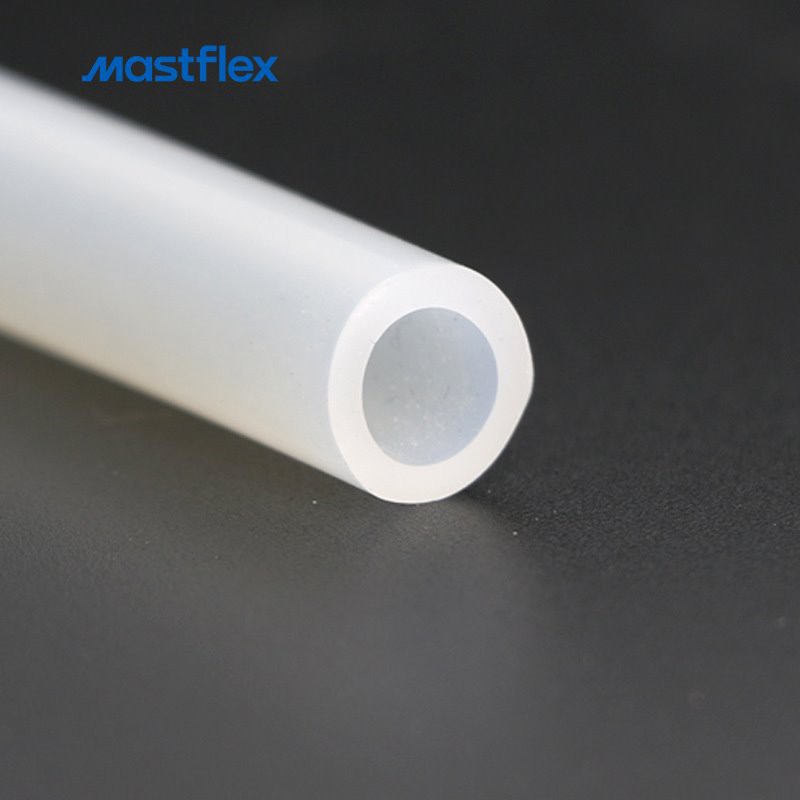

Cleaning Process
Now that you're prepared, it's time to start cleaning your silicone food hose. Here's a step-by-step guide on how to do it:
- Rinse the Hose: Start by rinsing the hose with warm water to remove any loose debris or product residue. Make sure to rinse both the inside and outside of the hose thoroughly.
- Prepare the Cleaning Solution: Fill a bucket or sink with warm water and add a small amount of mild detergent. Mix the solution well until it's soapy.
- Soak the Hose: Submerge the hose in the cleaning solution and let it soak for at least 15-20 minutes. This will help to loosen any stubborn dirt or grime.
- Scrub the Hose: Use a soft brush or sponge to scrub the inside and outside of the hose. Pay special attention to any areas that are particularly dirty or have buildup. Be gentle to avoid damaging the silicone material.
- Rinse the Hose Again: Once you've scrubbed the hose, rinse it thoroughly with warm water to remove all the soap and debris. Make sure to rinse both the inside and outside of the hose until the water runs clear.
- Dry the Hose: Use a clean cloth to dry the hose thoroughly. Make sure to remove all the moisture from the inside and outside of the hose to prevent mold and bacteria growth.
- Inspect the Hose: Once the hose is dry, inspect it again to make sure it's clean and free of any damage. If you notice any remaining dirt or grime, repeat the cleaning process until the hose is completely clean.
Additional Tips for Cleaning Silicone Food Hoses
- Clean Regularly: To prevent buildup and ensure the safety and quality of your product, it's important to clean your silicone food hose regularly. The frequency of cleaning will depend on how often you use the hose and the type of product that passes through it.
- Use a Hose Cleaning Kit: If you have a large or complex hose system, you may want to consider using a hose cleaning kit. These kits typically include a cleaning solution, a brush, and other tools to make the cleaning process easier and more effective.
- Store the Hose Properly: When you're not using the hose, make sure to store it in a clean, dry place. Avoid storing the hose in direct sunlight or near heat sources, as this can damage the silicone material.
- Replace the Hose When Necessary: Over time, silicone food hoses can wear out and become damaged. If you notice any signs of wear or damage, it's important to replace the hose to ensure the safety and quality of your product.
Conclusion
Cleaning your silicone food hose is an important part of maintaining the safety and quality of your product. By following these tips and guidelines, you can ensure that your hose is clean and free of contaminants. Remember to clean your hose regularly, use a mild detergent and soft brush, and inspect the hose for any signs of damage or wear. If you have any questions or need further assistance, don't hesitate to contact us. We're here to help you keep your silicone food hoses in top condition.
If you're in the market for high-quality Silicone Food Hose or Silicone Milk Hose, we're your go-to supplier. We also offer Sanitary Hose Assemblies to meet all your needs. Contact us today to discuss your requirements and start a procurement conversation.
References
- Food and Drug Administration (FDA). (n.d.). Guidance for Industry: Preparation of Food Contact Notifications for Food Contact Substances. Retrieved from [FDA Website]
- International Organization for Standardization (ISO). (n.d.). ISO 22000:2018 - Food safety management systems - Requirements for any organization in the food chain. Retrieved from [ISO Website]
- National Sanitation Foundation (NSF). (n.d.). NSF/ANSI 51 - Food Equipment. Retrieved from [NSF Website]


