As a supplier of sterile silicone tubing, I often receive inquiries from various industries, especially those in medical, bioprocessing, and pharmaceutical fields. One common question is whether sterile silicone tubing has good resistance to radiation. This blog post aims to delve into this topic and provide a comprehensive understanding of the radiation resistance of sterile silicone tubing.
Understanding Sterile Silicone Tubing
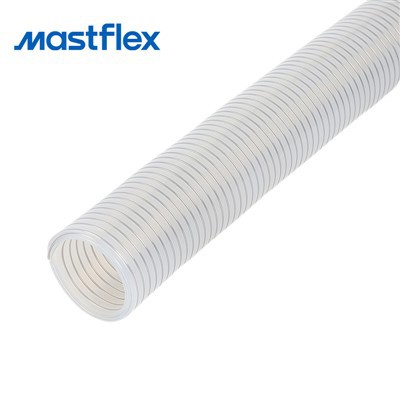
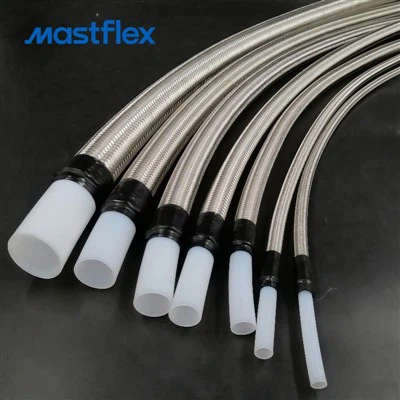
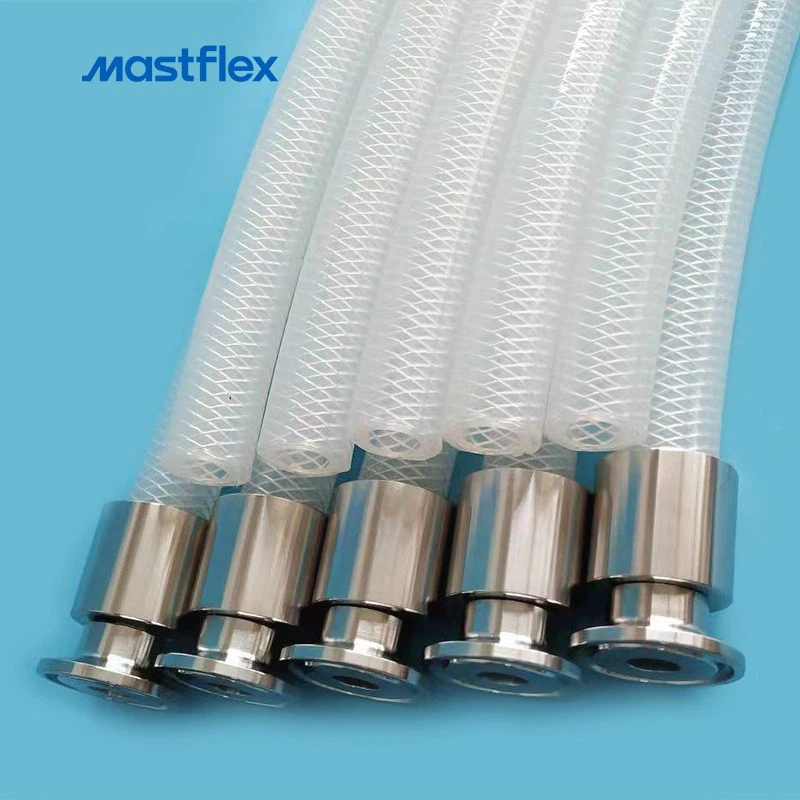
Before discussing radiation resistance, it's essential to understand what sterile silicone tubing is. Silicone tubing is a flexible, durable, and biocompatible material. It is made from a polymer of silicon, oxygen, carbon, and hydrogen. Our company offers a wide range of sterile silicone tubing products, including Surgical Silicone Tubing, Bioprocess Tubing, and Pharmaceutical Silicone Tubing. These products are designed to meet the strict requirements of different applications, such as medical surgeries, bioprocessing operations, and pharmaceutical manufacturing.
Radiation Types and Their Effects
There are several types of radiation, including gamma rays, X - rays, and ultraviolet (UV) rays. Each type has a different energy level and can interact with materials in various ways.
Gamma Rays
Gamma rays are high - energy electromagnetic radiation. They have a very short wavelength and high penetration power. When gamma rays interact with silicone tubing, they can cause ionization within the material. This ionization can break chemical bonds in the silicone polymer chains, leading to changes in the physical and chemical properties of the tubing. For example, it may cause the tubing to become brittle, lose its flexibility, and even develop cracks over time. However, the degree of damage depends on the dose of gamma rays and the properties of the silicone tubing.
X - rays
X - rays are also a form of electromagnetic radiation, but with lower energy compared to gamma rays. They are commonly used in medical imaging. Similar to gamma rays, X - rays can cause ionization in the silicone tubing. However, due to their relatively lower energy, the damage they cause is usually less severe. In most cases, low - dose X - ray exposure may not significantly affect the performance of sterile silicone tubing.
Ultraviolet (UV) Rays
UV rays are electromagnetic radiation with wavelengths shorter than visible light. They are commonly known for their role in sunburn and skin damage. When silicone tubing is exposed to UV rays, it can trigger photo - oxidation reactions. These reactions can cause the surface of the tubing to discolor, become rough, and may even lead to a decrease in its mechanical strength. Prolonged exposure to high - intensity UV rays can accelerate these degradation processes.

Factors Affecting the Radiation Resistance of Sterile Silicone Tubing
The radiation resistance of sterile silicone tubing is influenced by several factors:
Silicone Formulation
The composition of the silicone material plays a crucial role in its radiation resistance. Different additives can be incorporated into the silicone formulation to enhance its resistance. For example, some antioxidants can be added to prevent or slow down the oxidation reactions caused by radiation. Reinforcing agents can also improve the mechanical strength of the tubing, making it more resistant to the physical damage induced by radiation.
Radiation Dose
The amount of radiation the tubing is exposed to is directly related to the degree of damage. Higher radiation doses are more likely to cause significant changes in the tubing's properties. In the medical and pharmaceutical industries, where radiation sterilization is commonly used, it's important to carefully control the radiation dose to ensure that the tubing remains functional after sterilization.
Exposure Time
The longer the silicone tubing is exposed to radiation, the more damage it may incur. Continuous or repeated exposure to radiation can accumulate the effects, leading to more severe degradation. Therefore, minimizing the exposure time is an effective way to reduce radiation - induced damage.
Evidence of Radiation Resistance in Our Sterile Silicone Tubing
Our company has conducted extensive testing to evaluate the radiation resistance of our sterile silicone tubing. In gamma - ray sterilization tests with standard doses used in the medical industry, our tubing shows excellent performance. After several rounds of gamma - ray sterilization, the tubing retains its flexibility, tensile strength, and biocompatibility.
In X - ray exposure tests, the tubing shows no visible signs of damage or loss of performance under normal medical imaging X - ray doses. Even after extended exposure to UV rays in laboratory - simulated sunlight conditions, our tubing maintains its structural integrity better than many other competing products on the market.
Applications and Radiation Resistance Requirements
In different applications, the requirements for radiation resistance of sterile silicone tubing vary.
Surgical Applications
In surgical procedures, silicone tubing may be exposed to X - rays during pre - operative imaging or intra - operative fluoroscopy. The tubing needs to maintain its mechanical properties and biocompatibility to ensure safe and effective use. Our Surgical Silicone Tubing is designed to withstand these low - dose X - ray exposures without significant degradation.
Bioprocessing
In bioprocessing, radiation sterilization is a common method to ensure the sterility of the tubing. The tubing must be able to withstand the sterilization process without losing its functionality. Our Bioprocess Tubing is formulated to resist the high - energy gamma rays used in this process, ensuring that it can be safely used in bioreactors, filtration systems, and other bioprocessing equipment.
Pharmaceutical Manufacturing
In the pharmaceutical industry, the tubing may be exposed to various types of radiation during production, storage, and transportation. Our Pharmaceutical Silicone Tubing is engineered to have high radiation resistance to meet the strict quality and safety requirements of this industry.
Conclusion
In conclusion, sterile silicone tubing can have good resistance to radiation, but it depends on various factors such as the silicone formulation, radiation type, dose, and exposure time. Our company's sterile silicone tubing products, including Surgical Silicone Tubing, Bioprocess Tubing, and Pharmaceutical Silicone Tubing, are designed and tested to provide excellent radiation resistance.
If you are interested in our sterile silicone tubing products and would like to discuss your specific requirements, please feel free to contact us for procurement. We are committed to providing high - quality products and professional service to meet your needs.
References
- Mark, J. E. (Ed.). (2007). The Chemistry of Silicones. Springer Science & Business Media.
- ASTM International. (2019). ASTM F2027 - 19 Standard Specification for Silicone Elastomeric Materials for Use in Surgical Implants.