


Hey there! As a supplier of sterile silicone tubing, I often get asked about its resistance to disinfectants. It's a crucial question, especially in industries like biopharmaceuticals and medical processing, where maintaining a sterile environment is non - negotiable. So, let's dig into whether sterile silicone tubing has good resistance to disinfectants.
First off, what makes sterile silicone tubing so popular? Well, silicone is a versatile material known for its flexibility, durability, and biocompatibility. These properties make it a top choice for applications such as Biopharmaceutical Tubing, Bioprocess Tubing, and Silicone Tubing for Pharmaceutical Processing.
When it comes to disinfectants, there are a variety of types available, each with its own chemical composition and mode of action. Common disinfectants include alcohol - based solutions, hydrogen peroxide, and bleach. The resistance of sterile silicone tubing to these disinfectants depends on several factors.
Let's start with alcohol - based disinfectants. Alcohol is a widely used disinfectant because it's fast - acting and relatively inexpensive. Most sterile silicone tubing can handle exposure to low - to medium - concentration alcohol solutions quite well. Ethanol, for example, is commonly used in concentrations ranging from 70% to 90%. Silicone tubing can generally withstand short - term exposure to these concentrations without significant damage. However, prolonged or repeated exposure to high - concentration alcohol can cause the silicone to swell or become brittle over time. This is because alcohol can penetrate the silicone matrix and disrupt its molecular structure.
Hydrogen peroxide is another popular disinfectant, especially in applications where a more powerful and less corrosive option is needed. Sterile silicone tubing typically has good resistance to hydrogen peroxide. Hydrogen peroxide breaks down into water and oxygen, which are relatively harmless to silicone. In fact, many manufacturers recommend hydrogen peroxide for disinfecting silicone tubing because it can effectively kill a wide range of microorganisms without causing major damage to the tubing. But, like with alcohol, extremely high concentrations or long - term exposure might have some negative effects. High - concentration hydrogen peroxide can cause oxidation of the silicone surface, which may lead to discoloration or a change in the tubing's physical properties.
Bleach, on the other hand, is a strong oxidizing agent. Sodium hypochlorite, the active ingredient in bleach, can be very effective at killing bacteria, viruses, and fungi. However, bleach is also highly corrosive. Sterile silicone tubing has limited resistance to bleach. Even short - term exposure to bleach can cause the silicone to degrade. The chlorine in bleach can react with the silicone, leading to the formation of new chemical compounds on the tubing surface. This can result in a loss of flexibility, cracking, and a decrease in the tubing's overall integrity.
The manufacturing process of the silicone tubing also plays a role in its resistance to disinfectants. High - quality sterile silicone tubing is often made using advanced manufacturing techniques that ensure a more uniform and dense molecular structure. Tubing with a better - quality structure is generally more resistant to the effects of disinfectants. For example, tubing that has been cured properly will have fewer weak points where disinfectants can penetrate and cause damage.

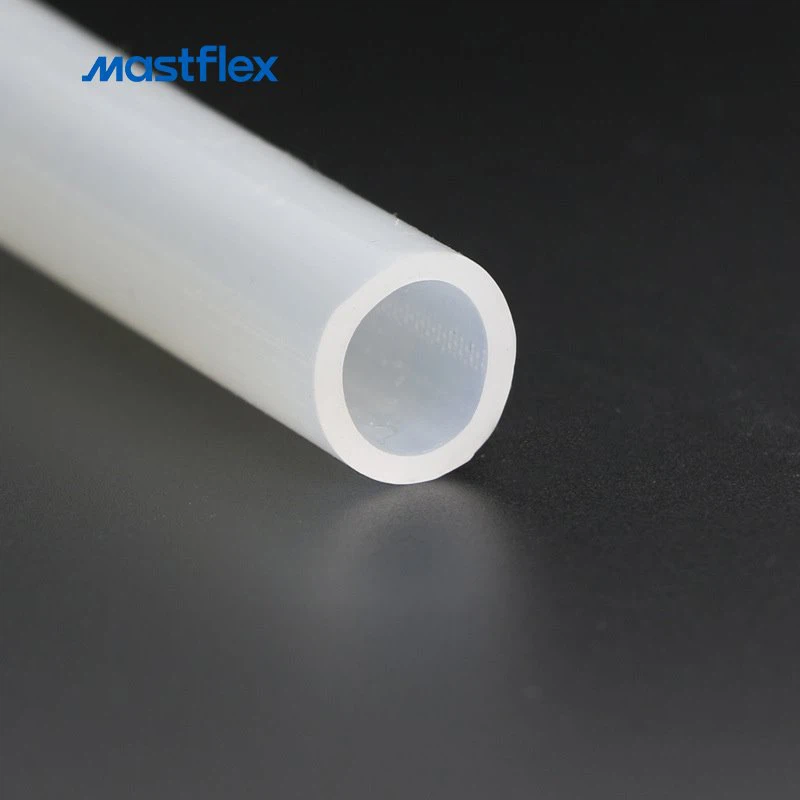
Another factor is the additives used in the silicone. Some manufacturers add antioxidants or stabilizers to the silicone during the manufacturing process. These additives can enhance the tubing's resistance to chemical degradation. For instance, an antioxidant can prevent oxidation reactions caused by disinfectants like hydrogen peroxide or bleach, thereby extending the tubing's lifespan.
In real - world applications, the frequency and duration of disinfection are important considerations. In a biopharmaceutical manufacturing facility, for example, the tubing may need to be disinfected multiple times a day. In such cases, it's crucial to choose a disinfectant that is effective against the target microorganisms but also has a relatively low impact on the silicone tubing. If the disinfection process is too harsh, it can lead to premature tubing failure, which can be costly in terms of both replacement parts and production downtime.
To test the resistance of our sterile silicone tubing to disinfectants, we conduct a series of laboratory tests. We expose samples of the tubing to different disinfectants at various concentrations and for different time periods. We then measure changes in the tubing's physical properties, such as its hardness, tensile strength, and flexibility. We also look for any signs of chemical degradation, like discoloration or surface pitting. Based on these test results, we can provide our customers with recommendations on the most suitable disinfectants and disinfection protocols for our tubing.
It's also important to note that the temperature at which disinfection occurs can affect the tubing's resistance. Higher temperatures can accelerate chemical reactions between the disinfectant and the silicone. For example, if you're using a hot bleach solution to disinfect the tubing, the damage to the silicone will likely be more severe than if the bleach solution is at room temperature.
So, does sterile silicone tubing have good resistance to disinfectants? The answer is yes and no. It depends on the type of disinfectant, the concentration, the duration of exposure, and the quality of the tubing. In general, silicone tubing has decent resistance to some common disinfectants like alcohol and hydrogen peroxide, but it has limited resistance to strong oxidizing agents like bleach.
If you're in the market for sterile silicone tubing and are concerned about its resistance to disinfectants, we're here to help. We can provide you with detailed information about the performance of our tubing under different disinfection conditions. Whether you're involved in biopharmaceutical manufacturing, medical research, or any other industry that requires sterile tubing, we can work with you to find the best solution for your needs. Reach out to us to start a discussion about your specific requirements and how our sterile silicone tubing can meet them.
References
- "Handbook of Silicone Elastomers" by James T. Sandler
- "Disinfection, Sterilization, and Preservation" edited by Seymour S. Block


