


As a supplier of silicone milk hoses, I've often been asked whether these hoses are suitable for use in dairy farms. This question is crucial as the dairy industry demands high - quality, safe, and reliable equipment to ensure the purity and quality of milk. In this blog, I'll explore the various aspects of using silicone milk hoses in dairy farms, including their properties, advantages, and potential challenges.
Properties of Silicone Milk Hoses
Silicone is a synthetic polymer known for its unique properties. First and foremost, silicone is highly resistant to extreme temperatures. In a dairy farm, milk needs to be transported at different temperatures. For example, fresh milk is usually cold, and during the pasteurization process, it can reach relatively high temperatures. Silicone milk hoses can withstand a wide temperature range, typically from - 60°C to 230°C. This property ensures that the hose remains stable and does not deform or release harmful substances under different temperature conditions.
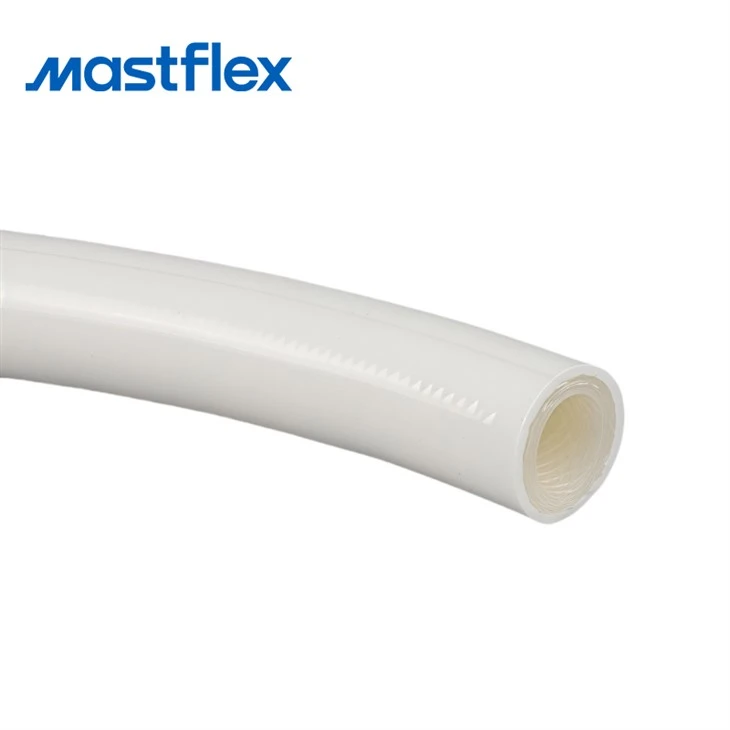

Another important property of silicone is its excellent chemical resistance. Dairy products contain various substances such as proteins, fats, and lactose. Silicone is not easily corroded or affected by these substances. It also resists the action of cleaning agents and disinfectants commonly used in dairy farms. This means that the hose can be effectively cleaned and sanitized without suffering damage, which is essential for maintaining the hygiene of the milk - handling system.
Silicone is also a very flexible material. It can be easily bent and shaped to fit different layouts of milk - handling equipment in a dairy farm. This flexibility allows for easy installation and connection of the hoses, reducing the time and effort required for setup and maintenance.
Advantages of Using Silicone Milk Hoses in Dairy Farms
Hygiene and Safety
One of the most significant advantages of silicone milk hoses is their high level of hygiene. Silicone is a non - toxic and odorless material. It does not leach any harmful chemicals into the milk, ensuring the safety and purity of the dairy products. Moreover, the smooth inner surface of silicone hoses prevents the accumulation of milk residues and bacteria. This reduces the risk of contamination and the growth of harmful microorganisms, which is of utmost importance in the dairy industry.
Durability
Silicone milk hoses are highly durable. They have a long service life compared to some other types of hoses. Their resistance to wear, tear, and aging means that they can withstand the rigors of daily use in a dairy farm environment. This reduces the frequency of hose replacement, saving both time and money for the dairy farmers.
Compatibility
Silicone milk hoses are compatible with a wide range of dairy - processing equipment. They can be easily connected to milk pumps, storage tanks, and other components of the milk - handling system. This compatibility makes them a versatile choice for dairy farms of all sizes.
Ease of Cleaning
Cleaning is a critical process in a dairy farm to prevent the growth of bacteria and ensure the quality of milk. Silicone milk hoses are easy to clean. Their smooth surface allows for efficient flushing and cleaning with water and cleaning agents. Additionally, they can withstand high - pressure cleaning, which helps to remove any stubborn residues.
Potential Challenges and Considerations
Cost
One of the main challenges of using silicone milk hoses is their relatively high cost compared to some other types of hoses. However, it's important to consider the long - term benefits. The durability and hygiene of silicone hoses can lead to cost savings in the long run by reducing the need for frequent replacements and minimizing the risk of product contamination.
Proper Installation and Maintenance
To ensure the optimal performance of silicone milk hoses, proper installation and maintenance are required. Incorrect installation can lead to leaks or kinks in the hose, which can affect the flow of milk and potentially cause contamination. Regular inspection and maintenance are also necessary to detect any signs of wear or damage early on.
Our Silicone Milk Hose Products
We offer a range of high - quality silicone milk hoses to meet the diverse needs of dairy farms. Our Silicone Food Hose is specifically designed for food - grade applications, including milk handling. It meets all the relevant safety and hygiene standards.
Our Platinum Cured Silicone Braided Hose provides enhanced strength and durability. The braided structure reinforces the hose, making it more resistant to pressure and abrasion.
For those looking for a more basic yet high - quality option, our Platinum Cured Silicone Hose is an excellent choice. It offers the same great properties of silicone, such as temperature resistance and chemical resistance, at a competitive price.
Conclusion
In conclusion, silicone milk hoses are a viable and beneficial option for use in dairy farms. Their unique properties, including temperature resistance, chemical resistance, flexibility, and hygiene, make them well - suited for the demanding environment of dairy production. While there are some challenges such as cost and the need for proper installation and maintenance, the long - term advantages far outweigh these concerns.
If you're a dairy farmer or involved in the dairy industry and are considering using silicone milk hoses, we'd love to have a discussion with you. Our team of experts can provide you with detailed information about our products and help you choose the most suitable silicone milk hose for your specific needs. Contact us today to start the conversation about how our silicone milk hoses can improve your dairy - handling operations.
References
- "Silicone Elastomers in Food Contact Applications" by the American Chemistry Council.
- "Dairy Processing Handbook" by Tetra Pak.
- Industry standards and guidelines related to milk - handling equipment and hoses.


