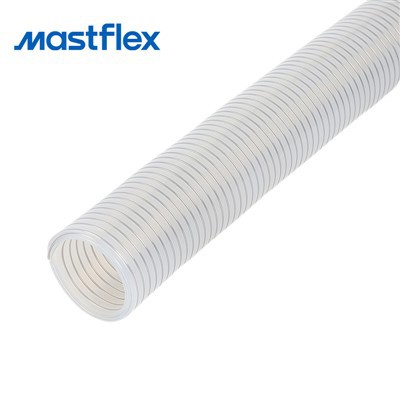
Are silicone food hoses suitable for food service industries?
Hey there! I'm a supplier of Silicone Food Hoses, and I often get asked if these hoses are a good fit for the food service industry. Well, let's dive right in and explore this topic.
First off, what makes silicone food hoses so special? Silicone is a synthetic rubber material that has some really awesome properties. It's flexible, which means it can be bent and maneuvered easily in tight spaces. This is super important in a food service setting where equipment might be close together, and you need hoses that can fit into those nooks and crannies.
One of the key things in the food service industry is hygiene. You don't want any contaminants getting into the food. Silicone food hoses are great in this regard. They are non - porous, which means that bacteria and other harmful substances can't seep into the hose material. This helps to keep the food safe and clean as it travels through the hose.
Another big plus is that silicone is resistant to high temperatures. In a commercial kitchen, you might be dealing with hot liquids or steam. Silicone hoses can handle these high - heat situations without deforming or breaking down. This is crucial because if a hose starts to degrade under high heat, it could release harmful chemicals into the food.


Now, let's talk about some of the specific types of silicone food hoses. We've got the Sanitary Flex Hose. This type of hose is designed with sanitation in mind. It has a smooth interior surface, which makes it easy to clean. You can use various cleaning agents on it, and it won't get damaged. This is really important in a food service environment where regular cleaning is a must to prevent the growth of bacteria.
Then there's the FDA Silicone Hose. The FDA (Food and Drug Administration) has strict standards for materials that come into contact with food. This hose meets those standards, which means it's safe to use for transporting food and beverages. When you're in the food service industry, you need to make sure that all your equipment is compliant with these regulations, and the FDA Silicone Hose gives you that peace of mind.
The Platinum Cured Silicone Hose is another great option. Platinum curing is a process that results in a hose with even better properties. It has a higher level of purity, which is ideal for applications where the food needs to be of the highest quality. It also has better resistance to aging and environmental factors, so it can last longer in a food service setting.
But it's not all sunshine and rainbows. There are a few things to consider when using silicone food hoses. One is the cost. Silicone hoses can be more expensive than some other types of hoses. However, when you think about the long - term benefits in terms of hygiene, durability, and safety, the extra cost might be worth it.
Another thing is that while silicone is generally very resistant, it can be damaged by certain chemicals. So, you need to be careful about what cleaning agents you use and what substances are flowing through the hose.
In conclusion, silicone food hoses are definitely suitable for the food service industry. They offer a combination of flexibility, hygiene, and temperature resistance that is hard to beat. Whether you're running a small café or a large restaurant, these hoses can help you ensure that your food is transported safely and cleanly.
If you're in the food service industry and are looking for high - quality silicone food hoses, I'd love to have a chat with you. We can discuss your specific needs and find the perfect hose for your business. Don't hesitate to reach out for a procurement discussion.
References:
- General knowledge about silicone materials and their applications in the food industry.
- Industry standards and regulations related to food contact materials.