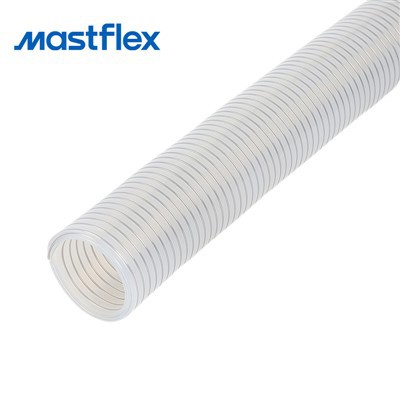
Silicone hoses are a staple in various industries, known for their flexibility, durability, and resistance to high temperatures and chemicals. One common question that arises among our customers is whether silicone hoses can be cut to the desired length. As a leading silicone hose supplier, we're here to provide you with a comprehensive answer.
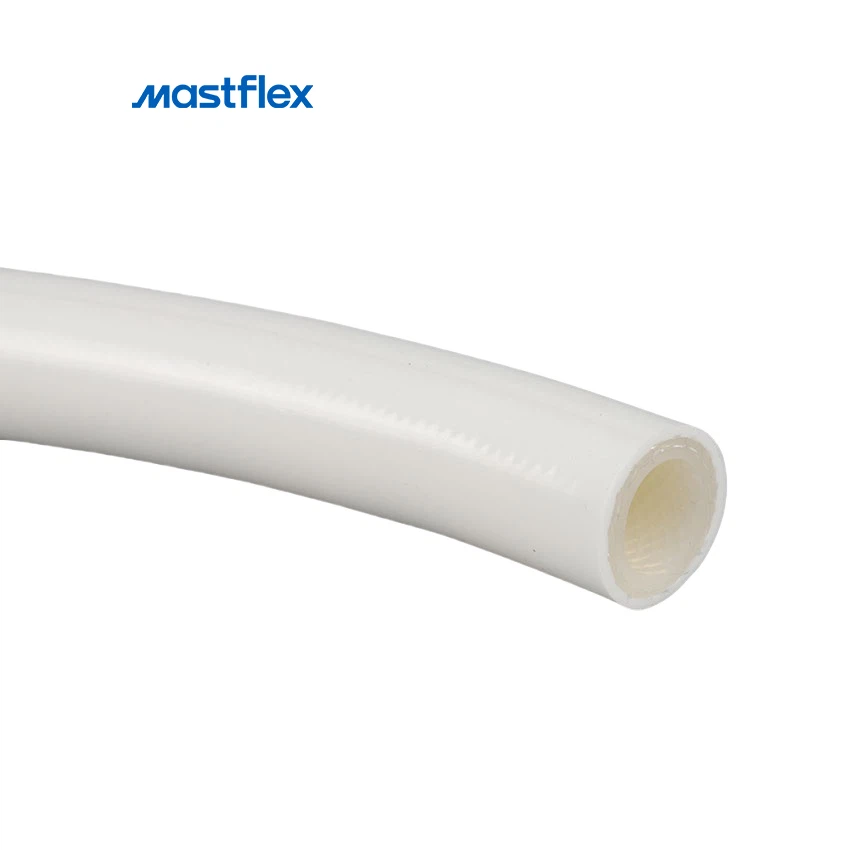

The Feasibility of Cutting Silicone Hoses
The short answer is yes, silicone hoses can indeed be cut to the desired length. Silicone is a relatively soft and flexible material, which makes it amenable to cutting. Whether you're working on a small DIY project or a large - scale industrial application, you can customize the length of the silicone hose to fit your specific needs.
Tools Required for Cutting
To cut a silicone hose accurately, you'll need the right tools. A sharp pair of scissors or a utility knife is often sufficient for thinner silicone hoses. For thicker or reinforced hoses, a fine - toothed saw may be more appropriate. It's important to use sharp tools to ensure a clean cut. A dull blade can cause the silicone to tear or fray, which may affect the hose's performance and integrity.
Step - by - Step Cutting Process
- Measure the Length: First, determine the exact length you need. Use a measuring tape or ruler to mark the cutting point on the hose. Make sure the measurement is precise to avoid any unnecessary waste or a hose that is too short.
- Secure the Hose: To prevent the hose from moving while you're cutting, it's a good idea to clamp it down. You can use a vise or a pair of pliers to hold the hose firmly in place.
- Make the Cut: With your chosen cutting tool, carefully make the cut along the marked line. If you're using scissors, apply steady pressure and cut in a smooth motion. For a saw, use a slow and controlled movement to ensure a straight cut.
- Smooth the Edges: After cutting, the edges of the hose may be rough. You can use sandpaper or a file to smooth the edges, which will not only improve the appearance but also prevent any potential leaks or damage to the connected components.
Considerations for Different Types of Silicone Hoses
- Reinforced Silicone Hoses: Reinforced silicone hoses, such as our Food Grade Reinforced Silicone Tubing, have an internal reinforcement layer. When cutting these hoses, you need to be extra careful not to damage the reinforcement. A sharp knife or a saw with fine teeth can help you make a clean cut through both the silicone and the reinforcement.
- Pharmaceutical Flexible Hoses: Our Pharmaceutical Flexible Hoses are designed for strict pharmaceutical applications. When cutting these hoses, it's crucial to maintain a clean and sterile environment to prevent contamination. After cutting, you may need to perform additional cleaning and sterilization steps to ensure the hose meets the required standards.
- Silicone Milk Hoses: Silicone Milk Hose is used in the dairy industry. When cutting these hoses, it's important to ensure that the cut edges are smooth and free of any burrs. This helps to prevent the accumulation of milk residue, which can lead to bacterial growth.
Impact on Hose Performance
Cutting a silicone hose to the desired length generally does not have a significant impact on its performance, as long as the cut is made correctly. However, there are a few factors to keep in mind.
- Pressure Rating: If the hose is part of a high - pressure system, cutting it may slightly affect its pressure - bearing capacity. It's important to ensure that the cut hose still meets the required pressure ratings for your application.
- Leakage: A poorly cut hose may result in leaks. To prevent this, make sure the cut is straight and the edges are smooth. You may also need to use appropriate connectors and seals to ensure a tight fit.
Tips for Cutting Silicone Hoses
- Wear Protective Gear: When cutting silicone hoses, it's a good idea to wear gloves to protect your hands from sharp edges and any potential chemicals or debris.
- Test the Cut: Before installing the cut hose, it's a good practice to test it for any leaks or other issues. You can do this by connecting the hose to a system and applying a small amount of pressure.
- Keep Records: If you're working on a project that requires multiple hoses, it's a good idea to keep records of the lengths and any specific requirements for each hose. This can help you ensure consistency and quality.
Conclusion
In conclusion, silicone hoses can be cut to the desired length, and it's a relatively straightforward process as long as you have the right tools and follow the proper steps. Whether you're using Food Grade Reinforced Silicone Tubing, Pharmaceutical Flexible Hoses, or Silicone Milk Hose, you can customize the length to fit your specific needs.
If you're in the market for high - quality silicone hoses, we're here to help. Our team of experts can provide you with the right advice and products for your application. Contact us today to start a discussion about your silicone hose requirements.
References
- Silicone Hose Handbook: A Guide to Selection and Application
- Industry Standards for Silicone Hoses in Different Sectors