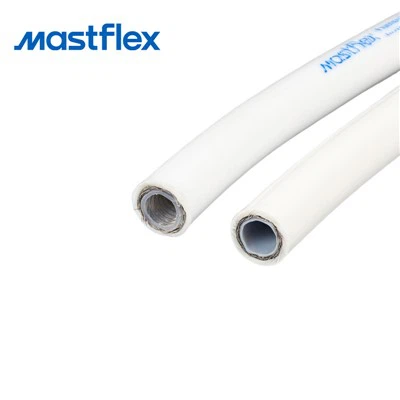
Hey there! As a supplier of Chemical Pump Tubing, I often get asked about the differences between chemical pump tubing and regular tubing. So, let's dive right in and break it down.
What's Regular Tubing?
First off, let's talk about regular tubing. Regular tubing is what you might find in your everyday household or basic industrial applications. It's usually made from materials like PVC (polyvinyl chloride), polyethylene, or rubber. These materials are great for general use, like carrying water in a garden hose or transporting air in a pneumatic system.
Regular tubing is designed for simple tasks. It doesn't need to withstand harsh chemicals, extreme temperatures, or high pressures. For example, a PVC tube used in a home plumbing system is mainly used to carry water at normal temperatures and pressures. It's not meant to handle corrosive substances or operate in a highly acidic or alkaline environment.
What is Chemical Pump Tubing?
On the other hand, Chemical Pump Tubing is a whole different ballgame. As the name suggests, it's specifically designed for use in chemical pumping applications. Chemical pump tubing needs to be able to handle a wide range of chemicals, from acids and bases to solvents and other corrosive substances.
One of the key features of chemical pump tubing is its chemical resistance. Different chemicals can react with different materials, so the tubing needs to be made from a material that won't break down or degrade when in contact with the chemicals it's transporting. For example, if you're pumping a strong acid, you need a tubing material that can resist the corrosive effects of that acid.
Another important aspect is the tubing's ability to withstand high pressures. Chemical pumps often operate at high pressures to move the chemicals through the system. So, the tubing needs to be strong enough to handle these pressures without bursting or leaking.
Material Differences
The materials used in chemical pump tubing are quite different from those used in regular tubing. Some common materials for chemical pump tubing include fluoropolymers like PTFE (polytetrafluoroethylene), FEP (fluorinated ethylene propylene), and PFA (perfluoroalkoxy). These materials are known for their excellent chemical resistance and high-temperature stability.
PTFE, for example, is extremely resistant to almost all chemicals, including strong acids and bases. It can also withstand high temperatures, making it suitable for use in applications where the chemicals are heated. FEP and PFA are similar to PTFE but have some additional properties, such as better flexibility and transparency.
In contrast, regular tubing materials like PVC and polyethylene are not as chemically resistant. They can be damaged by certain chemicals, especially strong solvents and acids. For example, PVC can be attacked by some organic solvents, which can cause it to swell or crack.
Performance Differences
When it comes to performance, chemical pump tubing outshines regular tubing in many ways. Chemical pump tubing is designed to provide a consistent flow rate, even when pumping viscous or abrasive chemicals. It also has a longer lifespan compared to regular tubing, especially when used in harsh chemical environments.
Regular tubing, on the other hand, may not be able to handle the demands of chemical pumping. It may clog more easily, especially if the chemicals are thick or contain particles. The flow rate may also be inconsistent, which can affect the performance of the system.
Applications
The applications of chemical pump tubing and regular tubing are also quite different. Regular tubing is commonly used in household applications, such as water supply, drainage, and air ventilation. It's also used in some basic industrial applications, like pneumatic systems and low-pressure fluid transfer.
Chemical pump tubing, on the other hand, is used in a wide range of industries, including chemical manufacturing, pharmaceuticals, food and beverage, and water treatment. In the chemical manufacturing industry, for example, chemical pump tubing is used to transfer various chemicals from one process to another. In the pharmaceutical industry, it's used to pump drugs and other pharmaceutical products.
Cost Differences
Cost is another factor to consider. Chemical pump tubing is generally more expensive than regular tubing. This is because the materials used in chemical pump tubing are more expensive, and the manufacturing process is more complex. However, the higher cost is often justified by the longer lifespan and better performance of chemical pump tubing.
Regular tubing, on the other hand, is more affordable. It's a good choice for applications where the requirements are not as demanding, and the chemicals being transported are not too harsh.
Conclusion
In conclusion, the differences between chemical pump tubing and regular tubing are significant. Chemical pump tubing is designed for use in harsh chemical environments, with high chemical resistance, pressure resistance, and a longer lifespan. Regular tubing, on the other hand, is suitable for general use and is more affordable.
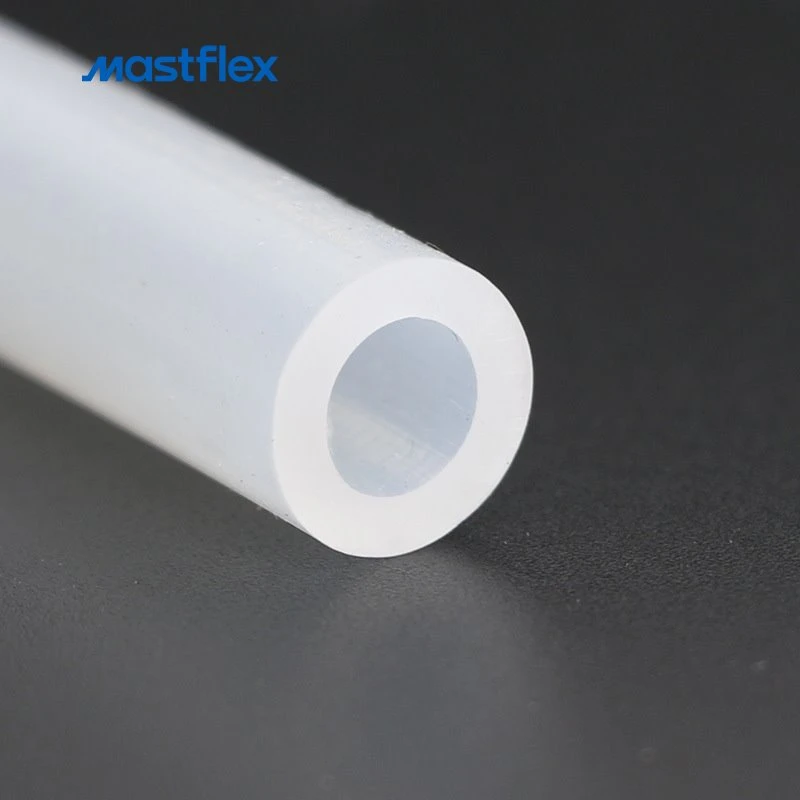
If you're in the market for chemical pump tubing, you can check out our Chemical Pump Tubing page for more information. We also offer Silicone Tubing Peristaltic Pump and Silicone Peristaltic Pump Tubing options.
If you have any questions or are interested in purchasing chemical pump tubing, feel free to reach out to us. We're here to help you find the right tubing for your specific needs.

References
- "Handbook of Chemical Resistance" by Carl A. Harper
- "Plastics for Engineers" by Stephen M. Trojan