


As a supplier of White Silicone Tubing, I often encounter various technical inquiries from our customers. One of the frequently asked questions is about the dielectric constant of white silicone tubing. In this blog post, I will delve into this topic, providing a comprehensive understanding of what the dielectric constant is, how it relates to white silicone tubing, and its significance in practical applications.
Understanding the Dielectric Constant
The dielectric constant, also known as relative permittivity, is a fundamental property of a dielectric material. A dielectric is an insulating material that can be polarized by an applied electric field. When an electric field is applied to a dielectric, the positive and negative charges within the material are displaced slightly, creating an electric dipole moment. The dielectric constant is a measure of how much the material can store electrical energy in an electric field compared to a vacuum.
Mathematically, the dielectric constant (εr) is defined as the ratio of the capacitance of a capacitor with the dielectric material between its plates (C) to the capacitance of the same capacitor with a vacuum between its plates (C0):
εr = C / C0
A higher dielectric constant indicates that the material can store more electrical energy per unit volume in an electric field. This property is crucial in many electrical and electronic applications, such as capacitors, insulators, and electrical cables.
Dielectric Constant of White Silicone Tubing
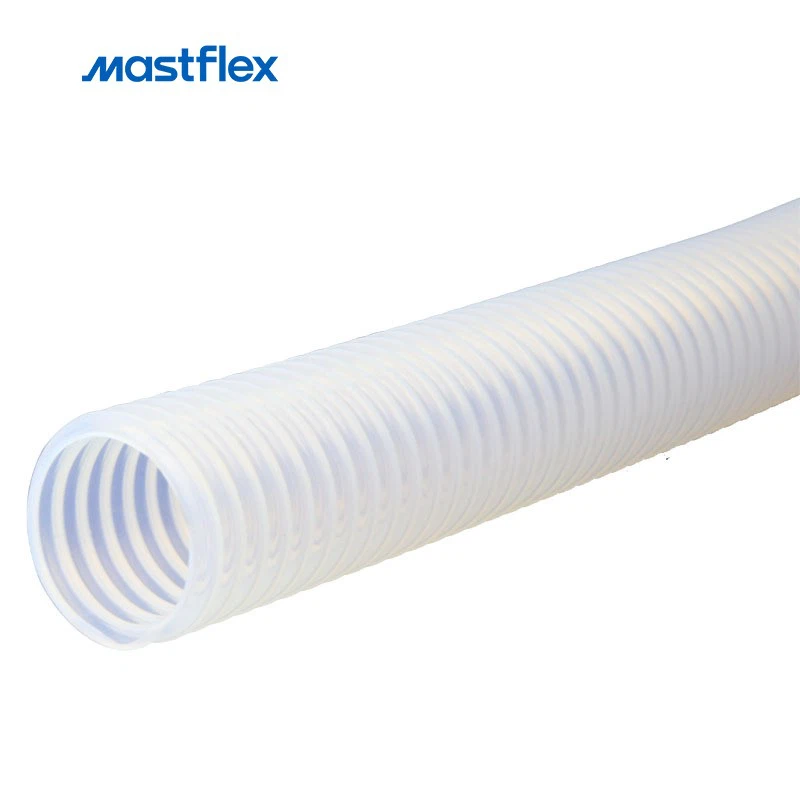
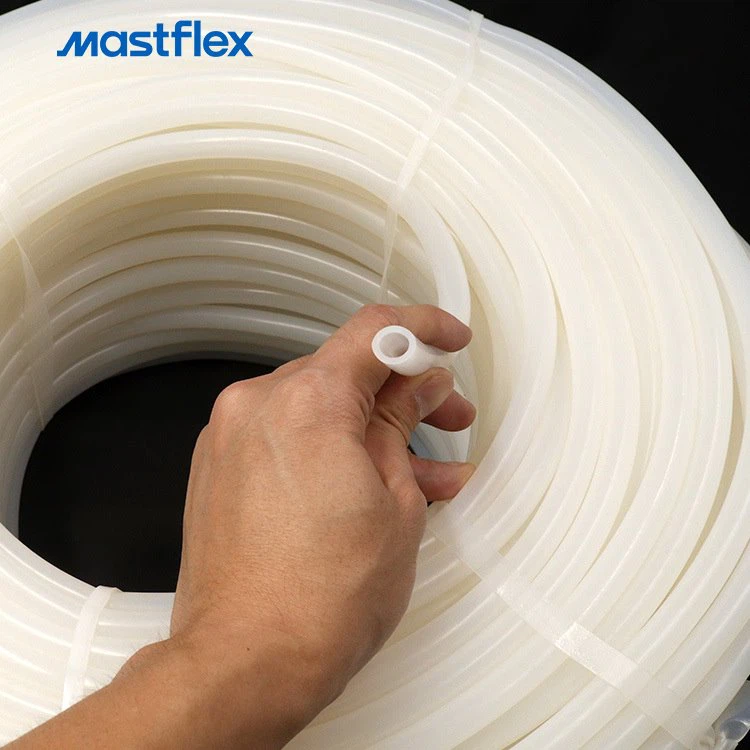
White silicone tubing is a type of silicone rubber tubing that is widely used in various industries due to its excellent physical and chemical properties. The dielectric constant of white silicone tubing typically ranges from 2.8 to 3.2 at room temperature and low frequencies (around 1 kHz). This value may vary slightly depending on the specific formulation of the silicone rubber, the presence of additives, and the manufacturing process.
The relatively low dielectric constant of white silicone tubing makes it an excellent electrical insulator. It can effectively prevent the flow of electric current through the tubing, reducing the risk of electrical short circuits and ensuring the safety and reliability of electrical systems. Additionally, the stable dielectric constant of silicone rubber over a wide range of temperatures and frequencies makes it suitable for use in high-performance electrical applications.
Factors Affecting the Dielectric Constant of White Silicone Tubing
Several factors can influence the dielectric constant of white silicone tubing:
- Temperature: The dielectric constant of silicone rubber generally increases with increasing temperature. This is because the thermal energy causes the molecules in the rubber to vibrate more vigorously, making it easier for the material to be polarized by an electric field.
- Frequency: At high frequencies, the dielectric constant of silicone rubber may decrease due to the relaxation of the polarization process. As the frequency of the applied electric field increases, the molecules in the rubber may not have enough time to align with the field, resulting in a lower effective polarization.
- Additives: The addition of certain fillers or additives to the silicone rubber can affect its dielectric constant. For example, the incorporation of conductive fillers such as carbon black or metal particles can increase the dielectric constant, while the addition of insulating fillers can decrease it.
- Curing Process: The curing process used to crosslink the silicone rubber can also impact the dielectric constant. Different curing methods and conditions can result in different crosslink densities and molecular structures, which in turn affect the polarization behavior of the material.
Applications of White Silicone Tubing Based on its Dielectric Constant
The unique dielectric properties of white silicone tubing make it suitable for a wide range of applications in the electrical and electronic industries:
- Electrical Insulation: White silicone tubing is commonly used as an electrical insulator in wiring harnesses, cables, and electrical equipment. Its low dielectric constant and high electrical resistance help to prevent electrical leakage and protect the components from electrical damage.
- Capacitor Dielectrics: In some capacitor applications, white silicone tubing can be used as a dielectric material. Its stable dielectric constant and good temperature stability make it a suitable choice for high-frequency and high-voltage capacitors.
- Medical and Food Industry: In addition to its electrical properties, white silicone tubing is also known for its excellent biocompatibility and chemical resistance. It is widely used in the medical and food industries for applications such as fluid transfer, peristaltic pumping, and medical device manufacturing. You can find more information about Food Safe Silicone Tubing on our website.
- Automotive and Aerospace: White silicone tubing is also used in the automotive and aerospace industries for applications such as fuel lines, coolant hoses, and pneumatic systems. Its high temperature resistance, flexibility, and electrical insulation properties make it suitable for use in harsh environments.
Why Choose Our White Silicone Tubing
As a leading supplier of White Silicone Tubing, we are committed to providing our customers with high-quality products that meet their specific requirements. Our white silicone tubing is manufactured using advanced production techniques and high-quality raw materials, ensuring excellent dielectric properties, mechanical strength, and chemical resistance.
We offer a wide range of white silicone tubing products in different sizes, wall thicknesses, and hardness levels to meet the diverse needs of our customers. Whether you need tubing for electrical insulation, medical applications, or industrial use, we have the right solution for you. In addition to white silicone tubing, we also offer Silicone Corrugated Tube for applications that require flexibility and bendability.
Contact Us for Purchase and Negotiation
If you are interested in our white silicone tubing products or have any questions about the dielectric constant or other properties of our tubing, please do not hesitate to contact us. Our experienced sales team is ready to provide you with detailed product information, technical support, and competitive pricing. We look forward to establishing long-term partnerships with you and meeting your silicone tubing needs.
References
- "Silicone Rubber: Properties and Applications" by John W. Sowa
- "Handbook of Polymer Science and Technology" edited by Herman F. Mark, et al.
- "Electrical Insulation Materials and Their Applications" by E. A. Owen


