


When it comes to chemical pumps, the tubing used is a critical component that directly impacts the overall performance and longevity of the pumping system. One of the key factors to consider when selecting chemical pump tubing is its resistance to reducing agents. As a leading supplier of Chemical Pump Tubing, I have witnessed firsthand the importance of understanding and evaluating the chemical resistance of tubing to reducing agents. In this blog post, I will delve into the concept of chemical resistance, explore the effects of reducing agents on tubing materials, and provide insights on how to choose the right tubing for applications involving reducing agents.
Understanding Chemical Resistance
Chemical resistance refers to the ability of a material to withstand the corrosive effects of chemicals without undergoing significant degradation or loss of performance. When a material is exposed to a chemical environment, it may react with the chemicals in various ways, such as swelling, softening, hardening, or losing its mechanical strength. The chemical resistance of a material depends on several factors, including the type of chemical, the concentration of the chemical, the temperature, and the duration of exposure.
In the context of chemical pump tubing, chemical resistance is crucial because the tubing is in direct contact with the chemicals being pumped. If the tubing is not resistant to the chemicals, it may degrade over time, leading to leaks, reduced flow rates, and ultimately, failure of the pumping system. Therefore, it is essential to select tubing materials that are compatible with the specific chemicals being pumped.
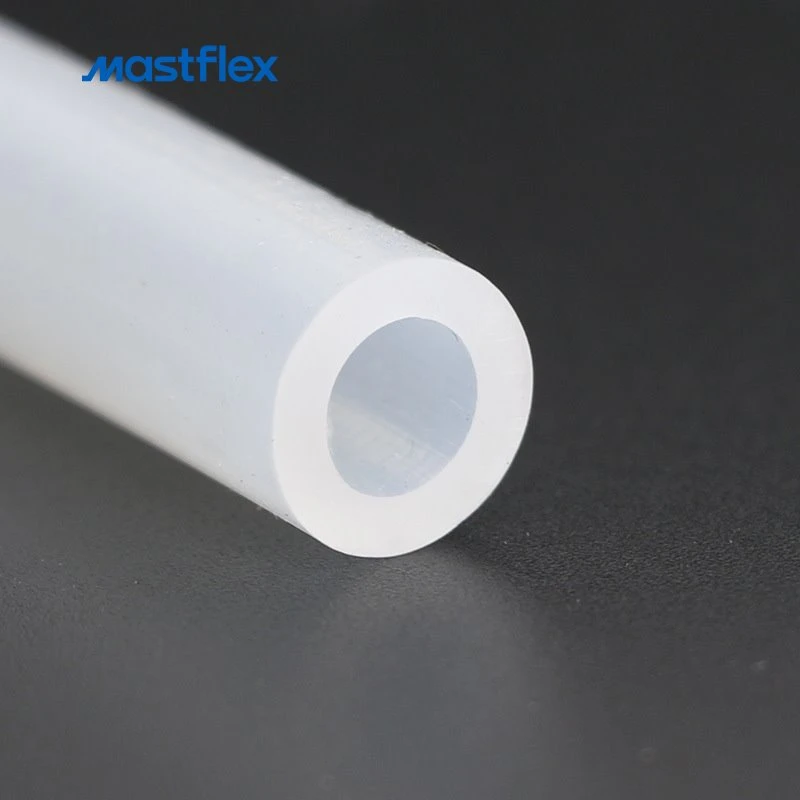

Reducing Agents and Their Effects on Tubing Materials
Reducing agents are chemicals that have the ability to donate electrons to other substances, causing them to be reduced. Common reducing agents include metals such as zinc, iron, and aluminum, as well as compounds such as hydrogen gas, carbon monoxide, and sodium borohydride. Reducing agents can have a significant impact on the chemical resistance of tubing materials, depending on the type of material and the specific reducing agent.
Effects on Elastomeric Tubing Materials
Elastomeric tubing materials, such as silicone and rubber, are commonly used in chemical pump applications due to their flexibility, durability, and chemical resistance. However, these materials can be susceptible to attack by reducing agents, especially at high temperatures and concentrations.
Silicone tubing, for example, is generally resistant to a wide range of chemicals, including many reducing agents. However, some reducing agents, such as strong acids and bases, can cause silicone tubing to swell, soften, or lose its mechanical strength. In addition, reducing agents can react with the silicone polymer chains, causing them to break down and form new compounds. This can lead to a decrease in the tubing's chemical resistance and an increase in its permeability to chemicals.
Rubber tubing, on the other hand, can be more resistant to reducing agents than silicone tubing, depending on the type of rubber. For example, fluorocarbon rubber (FKM) is highly resistant to a wide range of chemicals, including many reducing agents, due to its strong carbon-fluorine bonds. However, other types of rubber, such as natural rubber and neoprene, may be more susceptible to attack by reducing agents.
Effects on Thermoplastic Tubing Materials
Thermoplastic tubing materials, such as polyvinyl chloride (PVC), polyethylene (PE), and polypropylene (PP), are also commonly used in chemical pump applications due to their high strength, stiffness, and chemical resistance. These materials are generally more resistant to reducing agents than elastomeric tubing materials, but they can still be affected by certain reducing agents, especially at high temperatures and concentrations.
PVC tubing, for example, is resistant to many chemicals, including some reducing agents. However, strong reducing agents, such as sodium hydroxide and potassium hydroxide, can cause PVC tubing to become brittle and crack over time. In addition, reducing agents can react with the plasticizers in PVC tubing, causing them to leach out and reduce the tubing's flexibility and durability.
PE and PP tubing are generally more resistant to reducing agents than PVC tubing, due to their non-polar nature and high chemical stability. However, these materials can still be affected by certain reducing agents, especially at high temperatures and concentrations. For example, strong reducing agents can cause PE and PP tubing to become oxidized, leading to a decrease in their mechanical properties and chemical resistance.
Choosing the Right Tubing for Applications Involving Reducing Agents
When choosing tubing for applications involving reducing agents, it is important to consider several factors, including the type of reducing agent, the concentration of the reducing agent, the temperature, and the duration of exposure. Here are some general guidelines to help you choose the right tubing:
Evaluate the Chemical Compatibility
The first step in choosing the right tubing is to evaluate the chemical compatibility of the tubing material with the specific reducing agent. This can be done by consulting the chemical compatibility charts provided by the tubing manufacturer or by conducting compatibility tests in the laboratory. It is important to note that chemical compatibility charts are only a general guide, and actual performance may vary depending on the specific conditions of use.
Consider the Temperature and Concentration
The temperature and concentration of the reducing agent can have a significant impact on the chemical resistance of the tubing material. In general, higher temperatures and concentrations will increase the rate of chemical attack on the tubing material. Therefore, it is important to choose tubing materials that are rated for the specific temperature and concentration of the reducing agent.
Choose Tubing with High Chemical Resistance
When selecting tubing for applications involving reducing agents, it is advisable to choose tubing materials that have high chemical resistance. Elastomeric tubing materials, such as silicone and rubber, can be a good choice for applications where flexibility and durability are important. However, for applications where high chemical resistance is required, thermoplastic tubing materials, such as FKM and PTFE, may be more suitable.
Consider the Application Requirements
In addition to chemical resistance, it is also important to consider the specific application requirements when choosing tubing for chemical pump applications. For example, if the tubing will be used in a high-pressure application, it is important to choose tubing that has high burst strength. If the tubing will be used in a sanitary application, it is important to choose tubing that is compliant with relevant sanitary standards.
Our Chemical Pump Tubing Solutions
As a leading supplier of Chemical Pump Tubing, we offer a wide range of tubing materials that are designed to provide excellent chemical resistance to a variety of reducing agents. Our product portfolio includes Silicone Peristaltic Pump Tubing, Silicone Tubing Peristaltic Pump, and other specialty tubing materials.
Our silicone tubing is made from high-quality silicone rubber that is resistant to a wide range of chemicals, including many reducing agents. It is available in a variety of sizes and durometers to meet the specific requirements of different applications. Our silicone tubing is also flexible, durable, and easy to install, making it a popular choice for chemical pump applications.
In addition to silicone tubing, we also offer tubing made from other materials, such as FKM and PTFE, which have even higher chemical resistance. These materials are suitable for applications where high chemical resistance is required, such as in the pharmaceutical, chemical, and food industries.
Conclusion
In conclusion, the chemical resistance of chemical pump tubing to reducing agents is an important factor to consider when selecting tubing for chemical pump applications. Reducing agents can have a significant impact on the chemical resistance of tubing materials, depending on the type of material and the specific reducing agent. Therefore, it is essential to choose tubing materials that are compatible with the specific chemicals being pumped and that can withstand the conditions of use.
As a leading supplier of Chemical Pump Tubing, we are committed to providing our customers with high-quality tubing materials that offer excellent chemical resistance to a variety of reducing agents. If you have any questions or need assistance in choosing the right tubing for your chemical pump application, please do not hesitate to contact us. We look forward to working with you to find the best solution for your needs.
References
- "Chemical Compatibility Guide for Elastomers," Parker Hannifin Corporation.
- "Thermoplastic Tubing: A Guide to Selection and Application," Saint-Gobain Performance Plastics.
- "Silicone Tubing: Properties and Applications," Dow Corning Corporation.


