


As a reputable sanitary hose supplier, I've had the privilege of delving deep into the intricacies of these essential components across various industries. One aspect that often goes unnoticed but is crucial for both functionality and practicality is the weight characteristics of sanitary hoses. In this blog, I'll explore the factors influencing the weight of sanitary hoses, the implications of different weights, and how understanding these characteristics can guide your selection process.
Factors Influencing the Weight of Sanitary Hoses
Material Composition
The material used to manufacture a sanitary hose is one of the primary determinants of its weight. Sanitary hoses are commonly made from materials such as silicone, PVC, and stainless - steel.
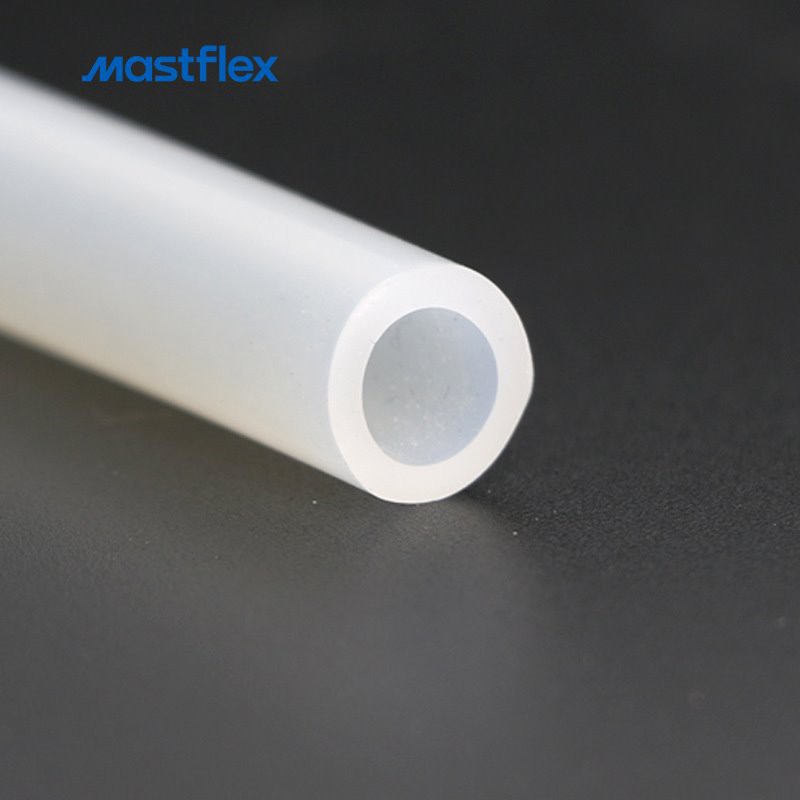
Silicone hoses, like the Platinum Cured Silicone Braided Hose, are known for their flexibility and chemical resistance. Silicone is a relatively lightweight material, which makes these hoses easy to handle and install. The platinum - cured process not only enhances the purity of the silicone but also maintains its lightweight nature. This is particularly beneficial in applications where frequent movement or repositioning of the hose is required, such as in food and beverage production lines.
On the other hand, PVC (Polyvinyl Chloride) hoses are heavier than silicone hoses. PVC is a rigid plastic material, and while it offers good durability and chemical resistance, its density contributes to a higher weight. PVC sanitary hoses are often used in applications where cost - effectiveness and moderate pressure resistance are important, such as in some industrial water supply systems.
Stainless - steel hoses are the heaviest among the common materials used for sanitary hoses. They are extremely durable, resistant to high temperatures and pressures, and are often used in harsh industrial environments, such as in chemical processing plants. The high weight of stainless - steel hoses is a result of the density of the metal, but it also provides stability and long - term reliability.
Hose Size and Dimensions
The size and dimensions of a sanitary hose also play a significant role in determining its weight. Larger diameter hoses generally weigh more than smaller diameter ones. This is because a larger diameter requires more material to construct the hose. For example, a Silicone Sanitary Hose with a 4 - inch diameter will weigh more than a 1 - inch diameter hose of the same length and material.
The length of the hose is another important factor. Longer hoses naturally weigh more than shorter ones. In applications where long runs of hoses are required, such as in large - scale industrial facilities, the weight of the hoses can become a significant consideration. It may affect the installation process, as heavier hoses may require more support structures to prevent sagging or damage.
Reinforcement Layers
Many sanitary hoses are reinforced with additional layers to enhance their strength and pressure resistance. These reinforcement layers can add to the weight of the hose. For instance, braided or spiral - wound reinforcement layers made of materials like polyester, nylon, or stainless - steel wire increase the overall weight of the hose.
A Silicone Milk Hose with a double - braided reinforcement will weigh more than a single - braided or non - reinforced silicone hose. The type of reinforcement material also matters. Stainless - steel wire reinforcement is heavier than polyester or nylon, but it provides superior strength and is suitable for high - pressure applications.
Implications of Different Weights
Handling and Installation
The weight of a sanitary hose has a direct impact on its handling and installation. Lightweight hoses, such as silicone hoses, are easier to maneuver and install. They can be bent and routed more easily, which reduces the time and effort required for installation. This is especially important in applications where space is limited or where hoses need to be installed in complex configurations.
Heavier hoses, like stainless - steel hoses, require more labor and equipment for installation. Specialized lifting equipment may be needed to move and position these hoses, which can increase the installation cost. Additionally, the weight of the hose must be considered when designing the support structures to ensure that they can safely bear the load.
Transportation
The weight of sanitary hoses also affects transportation. Lightweight hoses are more cost - effective to transport as they require less fuel and can be loaded onto trucks or other vehicles more easily. This is beneficial for both suppliers and customers, as it reduces the overall transportation cost.

Heavier hoses, on the other hand, may require larger and more powerful transportation vehicles. The increased weight can also limit the number of hoses that can be transported in a single shipment, which may lead to higher transportation costs per unit.
System Performance
The weight of a sanitary hose can influence the performance of the overall system. In some applications, the weight of the hose can cause sagging, which may affect the flow of fluids through the hose. This is particularly important in applications where a consistent flow rate is required, such as in pharmaceutical manufacturing.
Heavier hoses may also put more stress on the connections and fittings, which can lead to leaks or other failures over time. Therefore, it is essential to select a hose with an appropriate weight for the specific application to ensure optimal system performance.
Selecting the Right Weight for Your Application
When choosing a sanitary hose, it is crucial to consider the weight characteristics in relation to your specific application. Here are some guidelines to help you make the right decision:
- Application Requirements: Consider the type of fluid being transported, the pressure and temperature conditions, and the required flow rate. For example, if you are transporting a high - pressure fluid in a harsh industrial environment, a heavier, more durable hose like a stainless - steel hose may be necessary.
- Handling and Installation Constraints: Evaluate the available space for installation and the ease of handling. If you have limited space or need to frequently move the hose, a lightweight silicone hose may be a better choice.
- Transportation Considerations: Take into account the distance and mode of transportation. If you need to transport the hoses over long distances, a lighter hose can help reduce transportation costs.
Conclusion
Understanding the weight characteristics of sanitary hoses is essential for making informed decisions when selecting the right hose for your application. As a sanitary hose supplier, I can provide you with detailed information about the weight, material, and performance of our hoses. Whether you need a lightweight silicone hose for easy handling or a heavy - duty stainless - steel hose for high - pressure applications, we have the expertise and products to meet your needs.
If you are interested in learning more about our sanitary hoses or have specific requirements for your project, please feel free to contact us. Our team of experts is ready to assist you in selecting the most suitable hose and can provide you with a customized solution. Let's start a conversation about how we can ensure the success of your application with the right sanitary hose.
References
- "Handbook of Industrial Hoses" - A comprehensive guide on the properties and applications of industrial hoses, including sanitary hoses.
- "Materials Science for Engineers" - A textbook that provides in - depth knowledge about the properties of different materials used in hose manufacturing.


