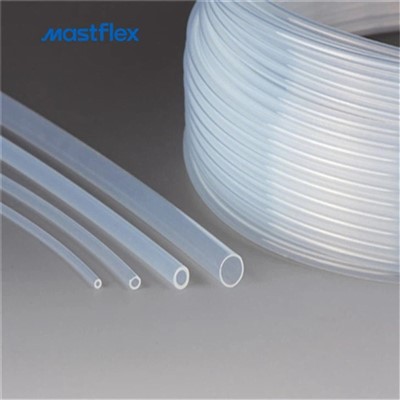
Yo, folks! As a supplier of pharmaceutical tubing, I've seen firsthand how mechanical stress can mess with these crucial components in the pharma world. Let's dig into the effects of mechanical stress on pharmaceutical tubing and why it matters big time.
First off, what exactly is mechanical stress in the context of pharmaceutical tubing? Well, it's basically the forces that act on the tubing during its use. This can include things like bending, stretching, compression, and torsion. These forces can come from all sorts of places, like installation, connection to equipment, and the movement of fluids or gases through the tubing.
One of the most obvious effects of mechanical stress is physical damage. When you bend or stretch pharmaceutical tubing too much, it can start to crack or split. This is a huge problem because it can lead to leaks, which are a no - no in the pharmaceutical industry. A leaky tube can contaminate the product flowing through it, or even worse, cause a spill that could be hazardous to the environment and the people working in the area. For example, if you're using Pharmaceutical Silicone Tubing to transfer a sensitive drug solution, a crack in the tube could introduce contaminants and ruin the batch.
Another effect is a change in the tubing's dimensions. Mechanical stress can cause the tubing to expand or contract. This might not seem like a big deal at first, but it can have a significant impact on the performance of the tubing. If the tubing expands, it can affect the flow rate of the fluid or gas passing through it. This is especially critical in pharmaceutical applications where precise dosing and flow control are essential. If a Silicone Oxygen Tubing used in a medical device expands due to stress, it could lead to an incorrect amount of oxygen being delivered to the patient.
Mechanical stress can also affect the material properties of the tubing. Over time, repeated stress can cause the tubing to become weaker. The polymer chains in the tubing material can break down, reducing its strength and flexibility. This makes the tubing more prone to failure. For Biopharmaceutical Tubing, which is often used in high - tech bioprocessing, a loss of material integrity can be a real headache. It might not be able to withstand the pressures and chemical environments of the bioprocess, leading to production delays and increased costs.
In addition to physical damage and material property changes, mechanical stress can also impact the tubing's chemical resistance. When the tubing is under stress, its surface can become more vulnerable to chemical attack. This means that chemicals that the tubing was originally designed to resist might start to degrade it. For instance, if a pharmaceutical tubing is exposed to a cleaning solution while under stress, it could start to break down more rapidly than normal. This can compromise the tubing's ability to maintain a sterile and safe environment for pharmaceutical products.
Now, you might be wondering how we can deal with these issues. As a supplier, we take a few steps to ensure that our tubing can handle mechanical stress. First, we use high - quality materials. We source polymers that are known for their strength, flexibility, and resistance to stress. We also conduct rigorous testing on our tubing to simulate real - world conditions. This includes bending, stretching, and compressing the tubing to see how it holds up. By doing this, we can identify any potential weaknesses and make improvements to our manufacturing processes.
We also offer guidance to our customers on how to install and use the tubing properly. For example, we recommend using the right tools for installation to avoid over - stressing the tubing. We also provide information on maximum bend radii and pressure limits. This helps our customers ensure that the tubing is used within its design parameters, reducing the risk of mechanical stress - related problems.
If you're in the market for pharmaceutical tubing, you want to make sure you're getting a product that can stand up to mechanical stress. That's where we come in. We've got a wide range of tubing products, including Pharmaceutical Silicone Tubing, Silicone Oxygen Tubing, and Biopharmaceutical Tubing. Our products are designed and tested to meet the highest standards in the industry.
If you have any questions about our pharmaceutical tubing or want to discuss your specific needs, don't hesitate to reach out. We're here to help you find the right tubing solution for your pharmaceutical applications. Whether you're a small research lab or a large pharmaceutical manufacturing plant, we've got the expertise and products to support you. So, let's have a chat and see how we can work together to keep your operations running smoothly and safely.
References


- Standard textbooks on polymer materials and their behavior under stress
- Industry - specific research papers on the performance of pharmaceutical tubing