


Hey there! As a supplier of silicone pump tubing, I've seen firsthand how it stacks up against other types of tubing. In this blog, I'm gonna break down the advantages of silicone pump tubing, so you can make an informed decision for your pumping needs.
1. Excellent Flexibility and Resilience
One of the standout features of silicone pump tubing is its amazing flexibility. Unlike some rigid plastic or metal tubing, silicone can bend and twist without cracking or losing its shape. This flexibility is crucial in peristaltic pumps, where the tubing needs to be squeezed repeatedly to move fluids.
Think about it. If you're using a Silicone Tube for Peristaltic Pump, the peristaltic action of the pump compresses the tubing to create a vacuum that draws in and moves the fluid. With silicone tubing, it can withstand this constant squeezing and return to its original shape every time. This resilience means a longer lifespan for the tubing, reducing the frequency of replacements and saving you money in the long run.
2. High Chemical Resistance
Silicone pump tubing has a pretty impressive resistance to a wide range of chemicals. Whether you're dealing with acids, bases, or organic solvents, silicone can hold up well. This is a huge advantage over other types of tubing that might react with certain chemicals, leading to corrosion, degradation, or contamination of the fluid being pumped.

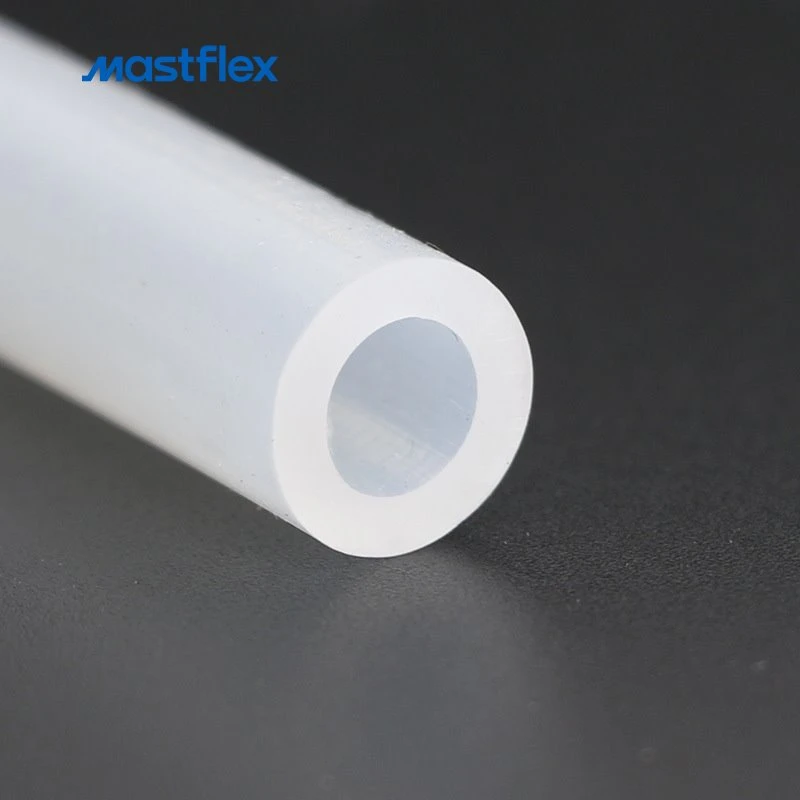
For example, if you're using a Chemical Pump Tubing in a laboratory setting where you're handling various chemicals, silicone tubing can ensure that the integrity of the fluid is maintained. It won't leach any harmful substances into the fluid, and it won't break down under the influence of the chemicals. This makes it a reliable choice for applications where chemical compatibility is a must.
3. Temperature Tolerance
Silicone can handle a wide range of temperatures, from extremely low to relatively high. It remains flexible and functional even in cold environments, which is a big plus if you're working in a freezer or a cold storage facility. On the other hand, it can also withstand high temperatures without melting or deforming.
In industrial processes where fluids need to be pumped at high temperatures, silicone pump tubing can be a game-changer. For instance, in food and beverage production, where products might need to be pumped at elevated temperatures during processing, silicone tubing can handle the heat without compromising its performance. This temperature tolerance gives you more flexibility in your operations and allows you to use the same tubing in different temperature conditions.
4. Biocompatibility
If you're in the medical or pharmaceutical industry, biocompatibility is a top priority. Silicone pump tubing is non-toxic and hypoallergenic, making it safe for use in applications involving contact with living organisms. It won't cause any adverse reactions when used in medical devices such as infusion pumps or in pharmaceutical manufacturing processes.
This biocompatibility also makes it suitable for food and beverage applications. You can use Silicone Tubing Peristaltic Pump to transfer food products without worrying about any contamination or off-flavors. The tubing meets the strict safety standards required for these industries, ensuring the quality and safety of the end products.
5. Low Friction
Silicone tubing has a smooth inner surface, which results in low friction when fluids are flowing through it. This low friction means that less energy is required to pump the fluid, leading to more efficient operation. In a peristaltic pump system, the reduced friction also means less wear and tear on the pump components, as there's less resistance to overcome.
This efficiency can translate into cost savings, especially in large-scale operations where pumps are running continuously. You'll use less electricity or other power sources to move the fluid, and you'll also reduce the maintenance and replacement costs associated with the pump.
6. Easy to Clean and Sterilize
Maintaining a clean and sterile pumping system is essential in many industries, such as healthcare and food production. Silicone pump tubing is relatively easy to clean. Its smooth surface doesn't trap dirt, debris, or microorganisms easily, and it can be cleaned using common cleaning agents.
In addition, silicone tubing can be sterilized using various methods, including autoclaving, gamma irradiation, and chemical sterilization. This makes it suitable for applications where strict hygiene standards need to be met. You can ensure that the tubing is free from any contaminants before each use, reducing the risk of cross-contamination and ensuring the safety of the products or processes.
7. Customizability
As a silicone pump tubing supplier, I know that different customers have different needs. That's why silicone tubing can be customized in terms of size, shape, and hardness. You can get tubing with different inner and outer diameters to match your specific pumping requirements. Whether you need a small-diameter tubing for precise fluid delivery or a larger one for high-volume pumping, silicone can be tailored to your needs.
The hardness of the silicone can also be adjusted. Softer tubing might be more suitable for applications where flexibility is crucial, while harder tubing can be used in situations where more rigidity is required. This customizability gives you the freedom to choose the perfect tubing for your particular application.
Conclusion
So, there you have it – the many advantages of silicone pump tubing compared to other types of tubing. From its flexibility and resilience to its chemical resistance, temperature tolerance, biocompatibility, low friction, easy cleaning, and customizability, silicone tubing offers a lot of benefits for a wide range of applications.
If you're in the market for high-quality silicone pump tubing, I'd love to have a chat with you. Whether you're a small business or a large corporation, I can help you find the right tubing for your needs. Just reach out, and we can start discussing your requirements and how silicone pump tubing can improve your pumping operations.
References
- "Handbook of Plastic Materials and Technology" by Irving I. Rubin
- "Peristaltic Pump Technology: Principles and Applications" by various authors


