


Hey there! As a supplier of Silicone Pump Tubing, I've seen firsthand how crucial it is to choose the right size for your peristaltic pump. It can make a huge difference in the efficiency and performance of your pumping system. So, let's dive into how you can pick the perfect size for your needs.
Understanding the Basics of Silicone Pump Tubing
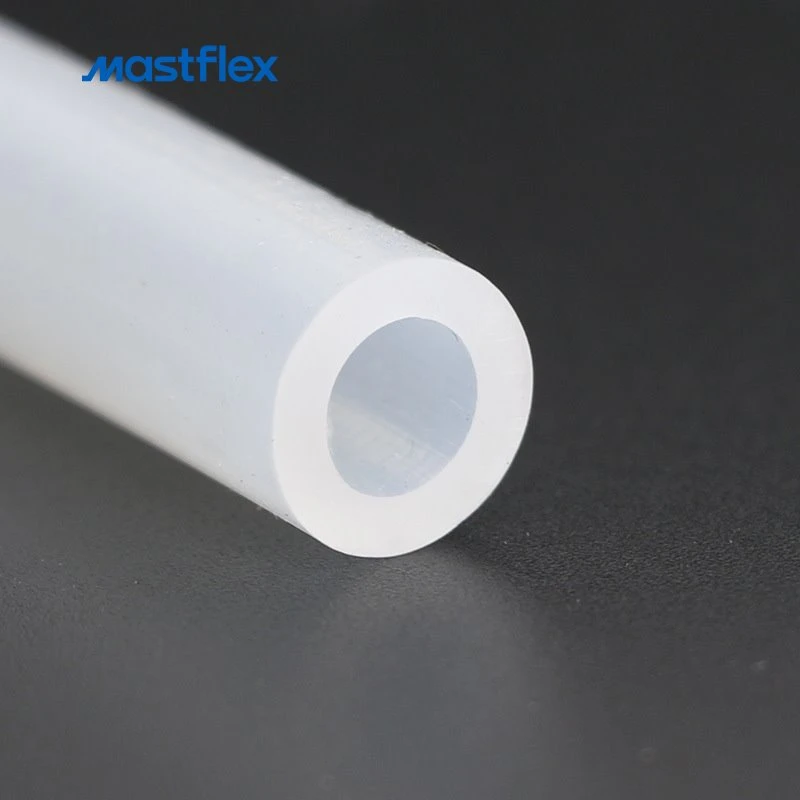
Before we get into sizing, let's quickly go over what silicone pump tubing is. Silicone is a popular material for pump tubing because it's flexible, durable, and resistant to a wide range of chemicals. It's commonly used in peristaltic pumps, which work by squeezing the tubing to move fluid through the system. You can check out our Silicone Tube for Peristaltic Pump and Silicone Tubing Peristaltic Pump options to get a better idea of what's available.
Factors to Consider When Choosing Tubing Size
Flow Rate
One of the most important factors to consider is the flow rate you need. Flow rate refers to the volume of fluid that passes through the tubing per unit of time. If you need a high flow rate, you'll generally want a larger diameter tubing. This is because a larger tube has a greater cross-sectional area, allowing more fluid to pass through at once. On the other hand, if you need a low flow rate, a smaller diameter tubing might be more suitable.
Let's say you're using a peristaltic pump to transfer a small amount of a chemical solution in a laboratory setting. You probably won't need a high flow rate, so a smaller tubing size, like 1/16" or 1/8" inner diameter, would be a good choice. But if you're pumping water in an industrial process where a large volume needs to be moved quickly, you might opt for a 1/2" or even 3/4" inner diameter tubing.
Pressure
Another key factor is the pressure within the pumping system. Higher pressures require tubing that can withstand the force without bursting or leaking. Thicker-walled tubing is generally better for high-pressure applications. For example, if you're using a pump to transfer a viscous fluid at a high pressure, you'll need a tubing with a thicker wall to prevent it from collapsing or failing under the stress.
Our Mastflex Peristaltic Pump Tubing comes in various wall thicknesses, so you can choose the one that's right for your pressure requirements.
Compatibility with the Pump
It's also important to make sure the tubing size is compatible with your peristaltic pump. Different pumps are designed to work with specific tubing sizes. Using the wrong size can lead to poor performance, increased wear and tear on the pump, and even damage to the tubing.
Most peristaltic pumps have a recommended tubing size range specified by the manufacturer. Make sure to check this before making your selection. You might need to adjust the size based on the pump's head design and the number of rollers it has.

Chemical Compatibility
Since silicone tubing is often used to transfer various chemicals, you need to consider the chemical compatibility of the tubing with the fluid you're pumping. Some chemicals can react with the silicone, causing it to degrade or become brittle over time.
Before choosing a tubing size, make sure to check the chemical resistance chart provided by the tubing manufacturer. This will help you determine if the silicone tubing is suitable for your specific chemical application.
Measuring Tubing Size
When it comes to measuring silicone pump tubing, there are two main dimensions to consider: the inner diameter (ID) and the outer diameter (OD). The inner diameter determines the flow rate, while the outer diameter affects how the tubing fits into the pump.
To measure the inner diameter, you can use a caliper or a tubing gauge. Simply insert the measuring tool into the tubing and take the measurement at the widest point. For the outer diameter, measure the outside of the tubing at its widest point.
It's important to measure accurately, as even a small difference in size can affect the performance of the pump. If you're unsure how to measure the tubing, don't hesitate to reach out to us for assistance.
Common Tubing Sizes and Their Applications
Here are some common tubing sizes and the types of applications they're typically used for:
1/16" ID Tubing
This is a very small tubing size, often used in applications where a low flow rate is required, such as in laboratory equipment for transferring small volumes of chemicals or in medical devices for delivering precise amounts of fluids.
1/8" ID Tubing
Another small size, 1/8" ID tubing is commonly used in applications like inkjet printers, where a small but consistent flow of ink is needed. It's also suitable for some low-volume chemical transfer applications.
1/4" ID Tubing
This is a medium-sized tubing that's widely used in a variety of applications, including food and beverage processing, water treatment, and some industrial pumping systems. It offers a good balance between flow rate and pressure handling.
3/8" ID Tubing
With a larger inner diameter, 3/8" ID tubing is often used in applications where a higher flow rate is required, such as in larger industrial pumps or in some agricultural irrigation systems.
1/2" ID Tubing and Larger
These larger tubing sizes are typically used in high-volume applications, such as in large-scale water transfer or in industrial processes where large amounts of fluid need to be moved quickly.
Choosing the Right Wall Thickness
In addition to the inner and outer diameters, you also need to consider the wall thickness of the tubing. Thicker walls provide more strength and resistance to pressure, but they can also reduce the flow rate slightly.
For low-pressure applications, a thinner walled tubing might be sufficient. This can be more cost-effective and allow for a slightly higher flow rate. However, for high-pressure applications, a thicker walled tubing is essential to prevent the tubing from bursting or collapsing.
Testing and Validation
Once you've selected a tubing size based on the factors we've discussed, it's a good idea to test the tubing in your pumping system before making a large purchase. This will allow you to verify that the tubing performs as expected and that it's compatible with your pump and the fluid you're transferring.
You can conduct a small-scale test by running the pump with the selected tubing and monitoring the flow rate, pressure, and any signs of wear or leakage. If you encounter any issues, you can make adjustments to the tubing size or wall thickness as needed.
Conclusion
Choosing the right size of silicone pump tubing is a critical step in ensuring the efficient and reliable operation of your peristaltic pump. By considering factors such as flow rate, pressure, compatibility with the pump and the fluid, and measuring accurately, you can select the tubing that's best suited for your specific application.
If you're still unsure about which tubing size to choose or need more information about our silicone pump tubing products, don't hesitate to contact us. We're here to help you make the right decision and ensure that your pumping system performs at its best. Whether you're a small laboratory or a large industrial facility, we have the expertise and the products to meet your needs. So, let's start the conversation and find the perfect silicone pump tubing for you!
References
- Manufacturer's guides for peristaltic pumps and silicone tubing
- Chemical resistance charts provided by tubing manufacturers
- Industry standards and best practices for peristaltic pump tubing selection


