


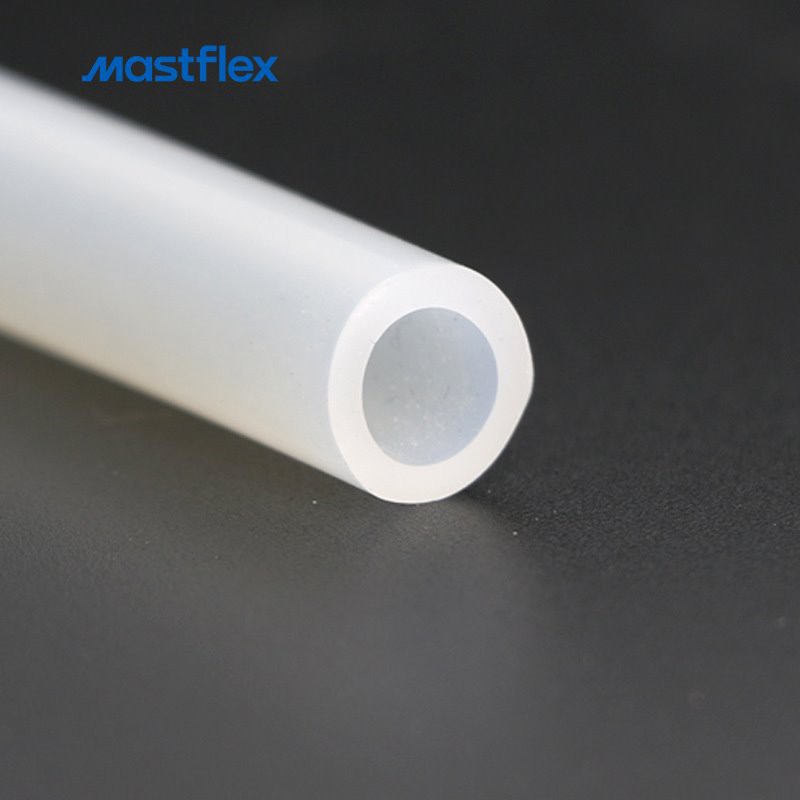
Hey there! As a supplier of Silicone Milk Hoses, I often get asked about how to adjust the flow rate of these hoses. It's a crucial aspect, especially in industries where precise control of liquid flow is essential, like the dairy industry. In this blog, I'll share some practical tips on how to achieve the right flow rate for your Silicone Milk Hose.

Understanding the Basics of Flow Rate
Before we dive into the adjustment methods, let's quickly understand what flow rate means. Flow rate is basically the volume of liquid that passes through the hose in a given amount of time. It's usually measured in liters per minute (L/min) or gallons per minute (GPM). Several factors can affect the flow rate of a Silicone Milk Hose, including the diameter of the hose, the pressure applied, and the viscosity of the liquid.
Factors Affecting Flow Rate
Hose Diameter
The diameter of the Silicone Milk Hose plays a significant role in determining the flow rate. A wider hose allows more liquid to pass through in a given time, resulting in a higher flow rate. Conversely, a narrower hose restricts the flow, leading to a lower flow rate. When choosing a hose, you need to consider the required flow rate for your application. If you need a high flow rate, opt for a larger diameter hose. For example, if you're dealing with a large-scale dairy operation where you need to transfer a large volume of milk quickly, a Silicone Milk Hose with a larger diameter would be more suitable.
Pressure
Pressure is another critical factor. The higher the pressure applied to the liquid in the hose, the faster it will flow. You can increase the pressure by using a pump or adjusting the height of the liquid source. For instance, if you place the milk container at a higher level, the gravitational force will create more pressure, increasing the flow rate. However, you need to be careful not to exceed the pressure rating of the hose, as it can cause damage.
Liquid Viscosity
The viscosity of the liquid also affects the flow rate. Milk, for example, has a certain viscosity that can vary depending on factors like fat content. Thicker liquids flow more slowly than thinner ones. If you're dealing with a more viscous liquid, you may need to adjust the hose diameter or increase the pressure to maintain the desired flow rate.
Methods to Adjust the Flow Rate
Using a Flow Control Valve
One of the most common and effective ways to adjust the flow rate is by using a flow control valve. A flow control valve allows you to regulate the amount of liquid passing through the hose by adjusting the opening size. You can simply turn the valve to increase or decrease the flow. These valves are available in different types, such as ball valves, gate valves, and needle valves. Ball valves are easy to operate and provide a quick on-off control, while needle valves offer more precise flow adjustment. Installing a flow control valve on your Silicone Milk Hose gives you greater flexibility in managing the flow rate according to your needs.
Changing the Hose Length
The length of the hose can also impact the flow rate. A longer hose creates more resistance to the flow of liquid, resulting in a lower flow rate. If you find that the flow rate is too low, you can try shortening the hose. However, make sure not to make it too short, as it may not reach the required destination. When choosing the length of the hose, consider the layout of your equipment and the distance between the liquid source and the destination.
Adjusting the Pump Speed
If you're using a pump to move the milk through the hose, adjusting the pump speed is an effective way to control the flow rate. Most pumps have a variable speed setting that allows you to increase or decrease the flow. By increasing the pump speed, you can increase the pressure and, consequently, the flow rate. On the other hand, reducing the pump speed will slow down the flow. Make sure to monitor the flow rate closely when adjusting the pump speed to avoid over - or under - flowing.
Considerations for Different Types of Silicone Hoses
Platinum Cured Silicone Braided Hose
The Platinum Cured Silicone Braided Hose is a popular choice in the dairy industry due to its high - quality and durability. When adjusting the flow rate of this type of hose, you need to be aware of its pressure and temperature ratings. These hoses are designed to withstand certain levels of pressure and temperature, and exceeding these limits can affect the flow rate and damage the hose. The braided structure provides additional strength, allowing for higher pressure applications, which can be useful when you need to achieve a higher flow rate.
Platinum Cured Silicone Hose
The Platinum Cured Silicone Hose is also widely used. It offers excellent chemical resistance and flexibility. Similar to the braided hose, you need to ensure that the pressure and temperature are within the specified range. When adjusting the flow rate, you can use the same methods as mentioned above, but keep in mind the unique properties of this type of hose.
Troubleshooting Flow Rate Issues
Sometimes, you may encounter issues with the flow rate, such as a sudden drop or inconsistent flow. Here are some common problems and solutions:
Clogs
Clogs can significantly reduce the flow rate. Check the hose for any blockages, such as debris or milk residues. You can clean the hose by flushing it with water or a cleaning solution. If the clog is severe, you may need to disassemble the hose and remove the blockage manually.
Leaks
Leaks can cause a loss of pressure and reduce the flow rate. Inspect the hose for any signs of leaks, such as wet spots or drips. If you find a leak, you can try tightening the connections or replacing the damaged part of the hose.
Conclusion
Adjusting the flow rate of a Silicone Milk Hose is an important skill for anyone working in the dairy or related industries. By understanding the factors that affect flow rate and using the right adjustment methods, you can ensure that your operations run smoothly. Whether you're using a Platinum Cured Silicone Braided Hose, a Silicone Milk Hose, or a Platinum Cured Silicone Hose, the principles remain the same.
If you're looking for high - quality Silicone Milk Hoses or need more advice on flow rate adjustment, feel free to reach out. We're here to help you find the best solutions for your needs. Contact us to start a discussion about your specific requirements and let's work together to optimize your operations.
References
- "Fluid Mechanics for Engineers" - A comprehensive guide on fluid flow principles.
- Manufacturer's manuals for Silicone Milk Hoses, which provide detailed information on hose specifications and usage.


