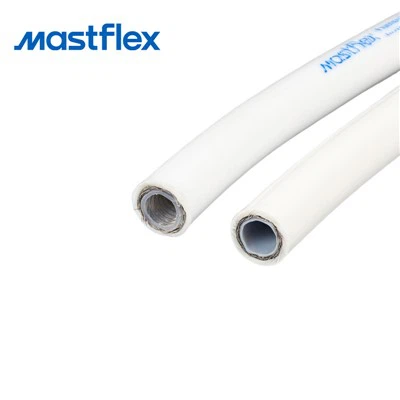
Sterile silicone tubing is a crucial component in various industries, especially in the pharmaceutical and medical fields. As a supplier of sterile silicone tubing, I often receive inquiries about its lifespan. In this blog post, I will delve into the factors that influence the longevity of sterile silicone tubing and provide some insights to help you make informed decisions.
Understanding the Basics of Sterile Silicone Tubing
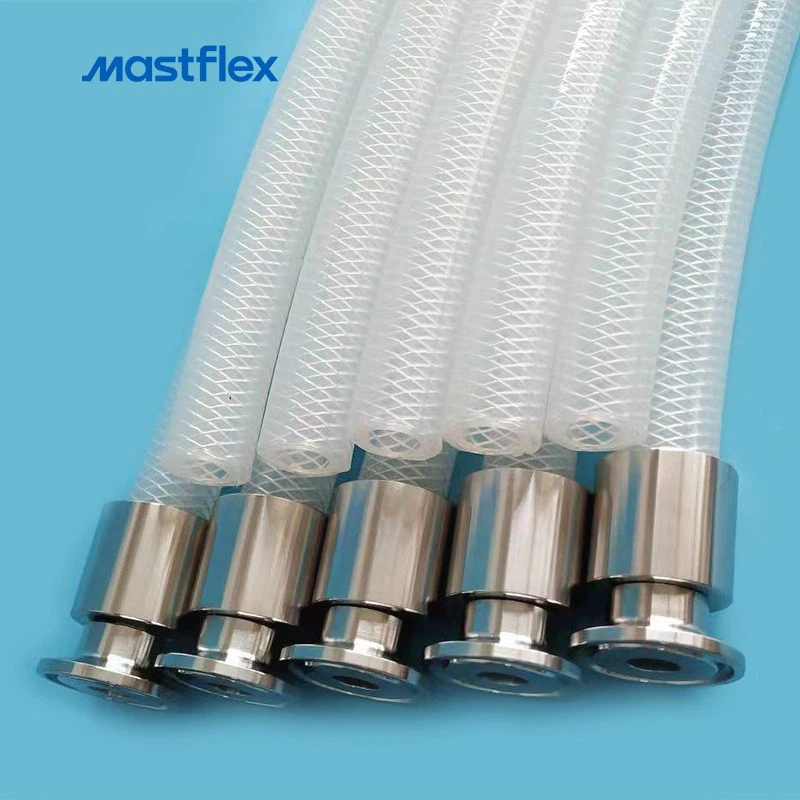
Silicone tubing is made from silicone rubber, a synthetic elastomer known for its excellent flexibility, chemical resistance, and biocompatibility. Sterile silicone tubing, in particular, is designed to meet strict quality and safety standards, making it suitable for applications where sterility is essential, such as pharmaceutical manufacturing, medical device assembly, and laboratory research.

Factors Affecting the Lifespan of Sterile Silicone Tubing
The lifespan of sterile silicone tubing can vary significantly depending on several factors. Here are some of the key factors that can influence how long the tubing will last:
1. Material Quality
The quality of the silicone material used in the tubing plays a crucial role in determining its lifespan. High-quality silicone tubing is typically made from pure silicone rubber that is free from impurities and additives. These tubes are more resistant to degradation, cracking, and other forms of damage, which can extend their lifespan.
2. Operating Conditions
The operating conditions under which the silicone tubing is used can also have a significant impact on its lifespan. Factors such as temperature, pressure, chemical exposure, and mechanical stress can all affect the integrity of the tubing. For example, exposure to high temperatures or harsh chemicals can cause the silicone to break down over time, reducing its lifespan.
3. Sterilization Methods
Sterilization is an essential step in ensuring the safety and efficacy of sterile silicone tubing. However, the sterilization method used can also affect the lifespan of the tubing. Some sterilization methods, such as autoclaving or gamma irradiation, can cause the silicone to degrade over time, reducing its lifespan. Therefore, it is important to choose the appropriate sterilization method based on the specific requirements of your application.
4. Storage Conditions
Proper storage of sterile silicone tubing is also crucial for maintaining its quality and lifespan. Tubing should be stored in a cool, dry place away from direct sunlight and sources of heat. Exposure to moisture, humidity, or extreme temperatures can cause the silicone to degrade, reducing its lifespan.
Estimating the Lifespan of Sterile Silicone Tubing
While it is difficult to provide an exact lifespan for sterile silicone tubing, it is possible to estimate its longevity based on the factors mentioned above. In general, high-quality silicone tubing that is used under normal operating conditions and stored properly can last for several years. However, if the tubing is exposed to harsh operating conditions or improper storage, its lifespan may be significantly reduced.
Tips for Extending the Lifespan of Sterile Silicone Tubing
Here are some tips to help you extend the lifespan of your sterile silicone tubing:
- Choose high-quality tubing: Invest in high-quality silicone tubing that is made from pure silicone rubber and meets strict quality and safety standards.
- Follow proper operating procedures: Ensure that the tubing is used under the recommended operating conditions, including temperature, pressure, and chemical exposure.
- Use the appropriate sterilization method: Choose the appropriate sterilization method based on the specific requirements of your application. Avoid using sterilization methods that can cause the silicone to degrade.
- Store the tubing properly: Store the tubing in a cool, dry place away from direct sunlight and sources of heat. Avoid exposing the tubing to moisture, humidity, or extreme temperatures.
- Inspect the tubing regularly: Regularly inspect the tubing for signs of damage, such as cracks, leaks, or discoloration. Replace the tubing if it shows any signs of damage.
Conclusion
In conclusion, the lifespan of sterile silicone tubing can vary depending on several factors, including material quality, operating conditions, sterilization methods, and storage conditions. By choosing high-quality tubing, following proper operating procedures, using the appropriate sterilization method, storing the tubing properly, and inspecting it regularly, you can extend the lifespan of your sterile silicone tubing and ensure its safe and effective use in your applications.
If you are interested in purchasing sterile silicone tubing for your pharmaceutical or medical applications, please feel free to contact us. We are a leading supplier of Pharmaceutical Tubing, Silicone Tubing for Pharmaceutical Processing, and Pharmaceutical Silicone Tubing. Our team of experts can help you choose the right tubing for your specific needs and provide you with the support and guidance you need to ensure its successful use.
References
- ASTM International. (2021). Standard Specification for Silicone Rubber Tubing for General Purpose Applications. ASTM D3985-19.
- ISO 10993-1:2018. Biological evaluation of medical devices - Part 1: Evaluation and testing within a risk management process.
- European Pharmacopoeia. (2021). Monograph 3.2.9. Rubber closures for containers for pharmaceutical use.