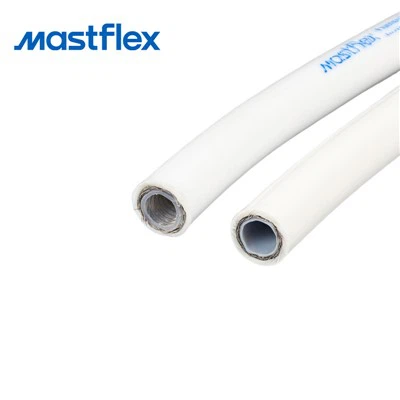
Hey there! As a supplier of Silicone Oxygen Tubing, I'm super excited to chat with you about how it stacks up against other types of oxygen tubing in terms of performance. Let's dive right in!
1. Flexibility and Durability
One of the first things you'll notice about silicone oxygen tubing is its amazing flexibility. Unlike some other types of tubing, silicone can bend and twist without kinking easily. This is a huge plus in medical settings, where the tubing often needs to be maneuvered around patients, equipment, and other obstacles.
For example, PVC tubing, which is a common alternative, can be a bit more rigid. If it gets bent too much, it might kink, blocking the flow of oxygen. But silicone oxygen tubing can handle those tight bends without a problem. It's like a gymnast, able to contort itself into all sorts of shapes while still doing its job.


In terms of durability, silicone is a real champ. It can withstand a lot of wear and tear. It's resistant to many chemicals and doesn't break down easily over time. This means that you won't have to replace it as often as some other types of tubing. You can rely on it to last, which is not only cost - effective but also more convenient in a medical environment.
2. Biocompatibility
When it comes to medical applications, biocompatibility is a big deal. Silicone oxygen tubing is highly biocompatible, which means it's safe to use in contact with the human body. It doesn't cause allergic reactions or other adverse effects in most people.
Some other types of tubing, like rubber tubing, may contain chemicals that can cause skin irritation or allergic responses. But silicone is hypoallergenic and gentle on the skin. This is especially important for patients who have sensitive skin or are already dealing with health issues.
If you're looking for tubing that can be used in long - term oxygen therapy, silicone is a great choice. It can be in contact with the patient's skin for extended periods without causing any problems. You can check out Pharmaceutical Silicone Tubing for more information on its biocompatibility and other features.
3. Oxygen Delivery
The main job of oxygen tubing is to deliver oxygen to the patient, right? Well, silicone oxygen tubing does this job really well. It has a smooth inner surface, which allows oxygen to flow through it easily. There's less resistance compared to some other types of tubing, so the oxygen can reach the patient more efficiently.
Some tubing materials can have a rough inner surface, which can cause turbulence in the oxygen flow. This can lead to a less consistent delivery of oxygen. But silicone tubing ensures a steady and reliable flow of oxygen, which is crucial for patients who need a specific amount of oxygen to breathe properly.
4. Temperature Resistance
Silicone oxygen tubing can handle a wide range of temperatures. It can withstand both high and low temperatures without losing its properties. This is important in different medical settings. For example, in a cold environment, some types of tubing might become brittle and crack. But silicone stays flexible and functional.
On the other hand, in a warm environment, some tubing materials might start to melt or deform. Silicone can handle the heat without any issues. This makes it suitable for use in various medical devices and situations where temperature variations are common. You can explore Sterile Silicone Tubing to see how it performs under different temperature conditions.
5. Cleanability and Sterilization
In a medical setting, cleanliness is of utmost importance. Silicone oxygen tubing is easy to clean and sterilize. It can be washed with common cleaning agents and can also withstand various sterilization methods such as autoclaving.
Some other types of tubing might be more difficult to clean, especially if they have a porous surface. Bacteria and other contaminants can get trapped in the pores, making it hard to completely clean the tubing. But silicone's smooth surface makes it easy to wipe clean and keep free of germs.
6. Cost - Effectiveness
While silicone oxygen tubing might seem a bit more expensive upfront compared to some other types of tubing, it's actually cost - effective in the long run. Because of its durability and long lifespan, you won't have to replace it as often. This means less money spent on new tubing over time.
Also, considering the quality of oxygen delivery and the biocompatibility, it's a great investment. You're getting a product that will perform well and keep your patients safe and comfortable.
7. Comparison with Other Tubing Types
Let's quickly compare silicone oxygen tubing with a few other common types of tubing:
- PVC Tubing: As mentioned earlier, PVC is more rigid and can kink easily. It also has a higher risk of chemical leaching, which can be a concern in medical applications. Silicone is a better choice in terms of flexibility, biocompatibility, and long - term use.
- Rubber Tubing: Rubber can be prone to degradation over time, especially when exposed to oxygen and certain chemicals. It may also cause allergic reactions in some people. Silicone offers better durability and biocompatibility.
Why Choose Our Silicone Oxygen Tubing?
As a supplier, we take pride in offering high - quality silicone oxygen tubing. Our tubing is made with the latest manufacturing techniques to ensure the best performance. We have strict quality control measures in place to make sure that every piece of tubing meets the highest standards.
Whether you're a hospital, a home care provider, or a medical device manufacturer, our silicone oxygen tubing can meet your needs. We also offer a variety of sizes and configurations to suit different applications. You can also check out Surgical Silicone Tubing for more specialized options.
If you're interested in purchasing our silicone oxygen tubing or have any questions about it, feel free to reach out. We're here to help you make the best choice for your oxygen delivery needs.
References
- "Medical Tubing Materials and Their Applications" - A medical industry report on different tubing materials.
- "Biocompatibility of Silicone in Medical Devices" - A research paper on the biocompatibility of silicone in medical applications.