


Hey there! I'm a supplier of silicone hoses, and today I wanna chat about how radiation exposure affects these nifty little tubes. Silicone hoses are super versatile and used in all sorts of industries, from medical to automotive. But what happens when they're exposed to radiation? Let's dig in.
First off, we need to understand what radiation is. In simple terms, radiation is the emission of energy as electromagnetic waves or as moving subatomic particles. There are different types of radiation, like ionizing and non - ionizing radiation. Ionizing radiation, such as gamma rays and X - rays, has enough energy to remove tightly bound electrons from atoms, creating ions. Non - ionizing radiation, like radio waves and visible light, doesn't have enough energy to do this.
Now, when it comes to silicone hoses, ionizing radiation is the real troublemaker. Silicone is a synthetic polymer made up of silicon, oxygen, carbon, and hydrogen atoms. When exposed to ionizing radiation, the high - energy particles can break the chemical bonds in the silicone structure.
One of the most noticeable effects is the change in mechanical properties. The silicone hose can become more brittle over time. This means it's more likely to crack or break under stress. For example, in a medical setting where Pharmaceutical Silicone Tubing is used, a brittle hose could lead to leaks, which is a huge no - no when dealing with medications or fluids.
The flexibility of the hose is also affected. Normally, silicone hoses are known for their excellent flexibility, which allows them to be bent and shaped easily during installation. But after radiation exposure, the loss of flexibility can make installation difficult. It might not fit properly into the intended space, causing all sorts of problems in the system it's part of.
Another issue is the change in the appearance of the silicone. It can turn yellow or brown, which might not seem like a big deal at first glance. However, in industries where aesthetics matter or where discoloration could indicate a chemical change, it's a concern. For instance, in a food - processing application, a discolored hose might raise questions about its safety and cleanliness.
The chemical resistance of the silicone hose can also be altered. Silicone is generally resistant to a wide range of chemicals, but radiation can break down the protective molecular structure. This means the hose might be more susceptible to corrosion or damage when in contact with certain chemicals.
In the case of Silicone Pump Tubing, which is commonly used in peristaltic pumps, radiation - induced changes can affect the pump's performance. A less flexible or more brittle hose might not be able to withstand the squeezing action of the pump rollers, leading to premature failure.
Now, let's talk about how different industries deal with these radiation - related issues. In the medical industry, where radiation exposure is more common due to sterilization processes (using gamma rays to kill bacteria and other pathogens), manufacturers often use special formulations of silicone. These formulations are designed to be more resistant to radiation. They might have additives that can absorb or dissipate the energy from the radiation, reducing the damage to the silicone structure.
In the nuclear industry, where there's a high risk of radiation exposure, silicone hoses need to be carefully monitored. Workers have to keep an eye on the hoses for any signs of damage or degradation. If a hose shows signs of being affected by radiation, it needs to be replaced immediately to avoid any safety hazards.
On the other hand, non - ionizing radiation usually has a much less significant impact on silicone hoses. For example, exposure to sunlight (which contains some non - ionizing ultraviolet radiation) might cause a very slow change in the silicone over a long period. But compared to ionizing radiation, the effects are minimal.
So, as a silicone hose supplier, what can we do to help our customers? Well, first of all, we can provide hoses that are specifically designed for high - radiation environments. These hoses are made with materials and formulations that can better withstand the effects of radiation.
We also offer advice on how to handle and maintain the hoses. For example, if a customer is using silicone hoses in a medical sterilization process, we can recommend the best way to limit the radiation exposure while still achieving proper sterilization.
Another important aspect is testing. We conduct regular tests on our hoses to ensure they meet the required standards, especially in terms of radiation resistance. This way, our customers can be confident that the hoses they're buying are of high quality and will perform well even in challenging environments.

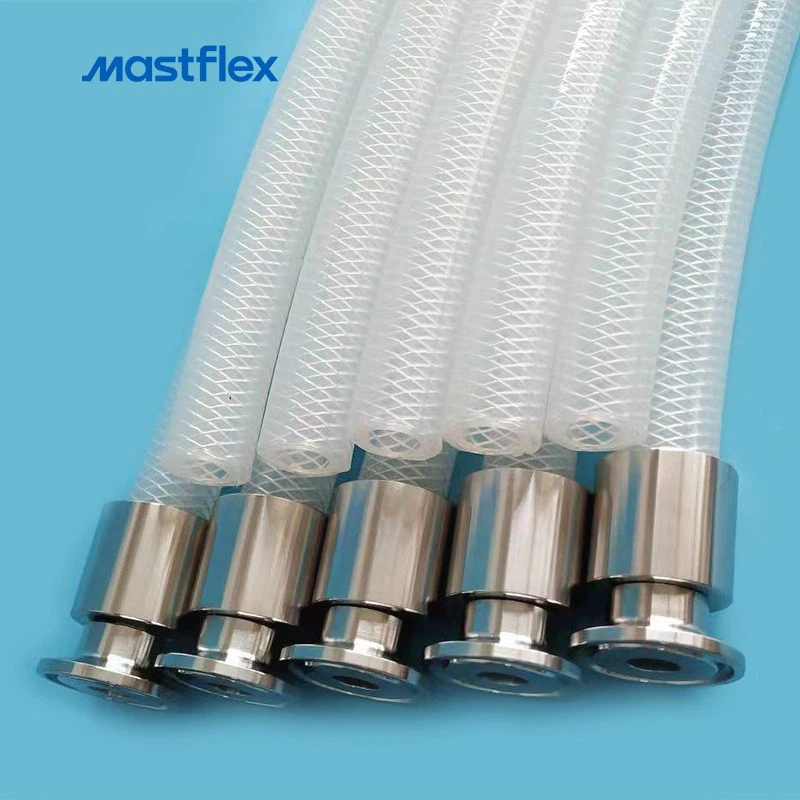
Now, if you're in the market for silicone hoses, whether it's for a medical, industrial, or any other application, don't hesitate to reach out. We've got a wide range of products, including PFA Corrugated Tubing, to meet your specific needs. Our team of experts is always ready to answer your questions and help you find the right hose for your project.
In conclusion, radiation exposure can have some pretty significant effects on silicone hoses, especially ionizing radiation. But with the right products and proper handling, these issues can be managed. So, if you're looking for reliable silicone hoses that can stand up to radiation and other challenges, get in touch with us for a chat about your requirements.
References:
- Smith, J. (2018). The Effects of Radiation on Polymers. Polymer Science Journal.
- Brown, A. (2020). Medical Tubing Materials and Their Resistance to Environmental Factors. Medical Equipment Review.


