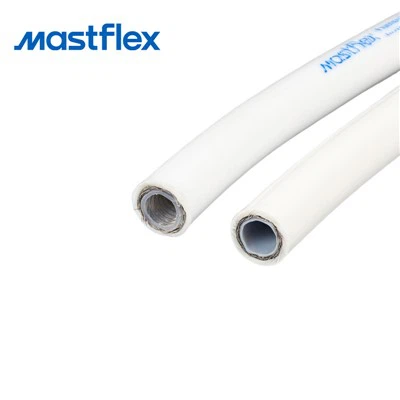
Hey there! I'm a supplier of FDA Silicone Hoses, and I know how frustrating it can be when you're dealing with hose leakage. Leakage not only causes a mess but can also lead to product loss and potential safety hazards. In this blog, I'm gonna share some tips on how to prevent leakage from FDA silicone hoses.
Understanding FDA Silicone Hoses
First off, let's talk a bit about what FDA silicone hoses are. These hoses are made from high - quality silicone materials that meet the strict standards set by the U.S. Food and Drug Administration (FDA). They're commonly used in industries like food and beverage, pharmaceutical, and cosmetics because they're non - toxic, resistant to high temperatures, and have excellent flexibility. You can check out more about FDA Silicone Hose on our website.
Choosing the Right Hose
One of the most important steps in preventing leakage is choosing the right hose for your application. You need to consider factors like the type of fluid or gas you'll be transporting, the pressure and temperature requirements, and the size of the hose.
For example, if you're dealing with high - pressure applications, you'll need a hose with a thicker wall and higher burst pressure rating. On the other hand, if you're working with a corrosive fluid, you'll want a hose that's resistant to that particular chemical. Our Platinum Cured Silicone Hose is a great option for many applications as it offers excellent chemical resistance and high - purity.
Proper Installation
Even the best - quality hose can leak if it's not installed correctly. Here are some key points to keep in mind during installation:
- Cutting the Hose: Use a sharp, clean knife or a hose cutter to cut the hose to the right length. Make sure the cut is straight and smooth. A jagged cut can prevent a proper seal and lead to leakage.
- Fitting Selection: Choose the right fittings for your hose. The fittings should be compatible with the hose size and the type of connection you need. Make sure the fittings are in good condition, without any cracks or damage.
- Assembly: When assembling the hose and fittings, follow the manufacturer's instructions carefully. Some hoses may require the use of a special lubricant to make the installation easier and ensure a tight seal. Tighten the fittings to the recommended torque using a torque wrench. Over - tightening can damage the hose or the fittings, while under - tightening can cause leakage.
Regular Inspection
Regular inspection is crucial for preventing leakage. You should visually inspect your hoses on a regular basis for signs of wear, damage, or degradation. Look for things like cracks, cuts, bulges, or discoloration. These can be early indicators of potential problems.
Check the fittings as well. Make sure they're still tight and there are no signs of corrosion or damage. If you notice any issues during the inspection, replace the hose or the fittings immediately. It's better to be safe than sorry.
Maintenance and Cleaning
Proper maintenance and cleaning can also help prevent leakage. After each use, clean the hoses thoroughly to remove any residue or contaminants. Use a mild detergent and warm water, and rinse the hoses well. Avoid using harsh chemicals that can damage the silicone material.
If you're using the hoses in a food or beverage application, make sure to follow the appropriate sanitation procedures. This may include sanitizing the hoses with a food - grade sanitizer to prevent the growth of bacteria and other microorganisms.
Storage
How you store your hoses can also affect their performance and prevent leakage. Store the hoses in a cool, dry place away from direct sunlight and heat sources. Avoid storing them in a way that causes them to be bent or kinked for long periods of time, as this can weaken the hose and lead to cracks or leaks.
If possible, store the hoses in a protective case or on a hose rack to keep them organized and prevent damage.


Using Hose Assemblies
Another great way to prevent leakage is to use Sanitary Hose Assemblies. These pre - assembled hoses come with the fittings already attached, which reduces the risk of improper installation. They're also designed to meet the highest sanitary standards, making them ideal for applications where cleanliness is crucial.
Dealing with Pressure and Temperature Changes
FDA silicone hoses are designed to handle a wide range of pressures and temperatures. However, sudden or extreme changes in pressure or temperature can still cause problems. To prevent leakage due to these factors:
- Pressure Relief: Install pressure relief valves in your system to prevent over - pressurization. These valves will open when the pressure exceeds a certain limit, releasing the excess pressure and protecting the hoses.
- Thermal Expansion: Be aware of the thermal expansion properties of silicone hoses. As the temperature changes, the hose may expand or contract. Make sure your system has enough flexibility to accommodate these changes without causing stress on the hoses or the fittings.
Training Your Staff
If you have employees who are handling the hoses, make sure they're properly trained on how to install, use, and maintain them. Provide them with clear instructions and safety guidelines. A well - trained staff is less likely to make mistakes that can lead to leakage.
Conclusion
Preventing leakage from FDA silicone hoses requires a combination of choosing the right hose, proper installation, regular inspection, maintenance, and storage. By following these tips, you can minimize the risk of leakage and ensure the safe and efficient operation of your system.
If you're in the market for high - quality FDA silicone hoses or have any questions about preventing leakage, don't hesitate to reach out. We're here to help you find the best solutions for your needs. Let's start a conversation about your requirements and see how we can work together.
References
- Silicone Hose Manufacturer's Installation and Maintenance Guides
- FDA Regulations on Silicone Materials for Food Contact Applications
- Industry Standards for Sanitary Hoses and Fittings