


Hey there! I'm a supplier of Sterile Silicone Tubing, and today I wanna chat about how I label this stuff. It's not as simple as just slapping a sticker on, you know? There's a whole bunch of things to consider to make sure everything is clear, accurate, and complies with all the rules.
First off, why is labeling so important? Well, for starters, it helps users quickly identify what they're dealing with. In the medical and pharmaceutical fields, where our Sterile Silicone Tubing is often used, it's crucial to know exactly what kind of tubing it is, its specifications, and how to handle it. A well - labeled tube can prevent mistakes, like using the wrong tubing for a particular application, which could have serious consequences.
What to Put on the Label
Let's talk about the key information that should be on the label. The first thing is the product name. It might seem obvious, but it has to be clear and easy to read. We always make sure to prominently display "Sterile Silicone Tubing" so there's no confusion.
Next up is the size. This includes the inner diameter, outer diameter, and length. For example, you might see something like "ID: 3mm, OD: 5mm, Length: 1m" on the label. This info is super important because different applications require different sizes of tubing. Whether it's for a Surgical Silicone Tubing procedure or Silicone Tubing for Pharmaceutical Processing, getting the right size is essential.
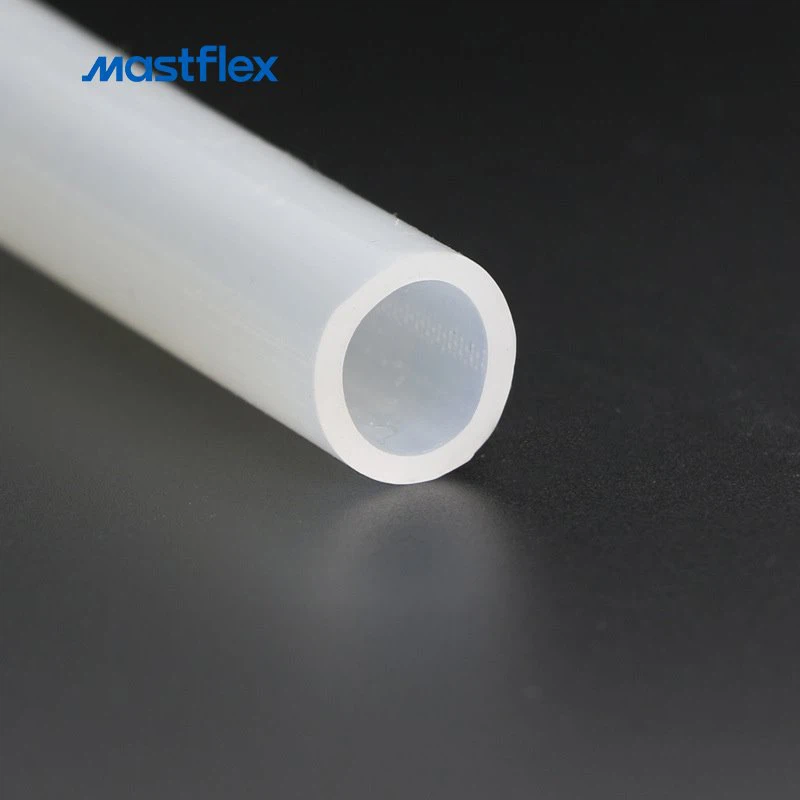

Another crucial piece of information is the sterility indication. We use clear and visible symbols or statements to show that the tubing is sterile. This could be a simple "Sterile" stamp or a more detailed explanation of the sterilization method used, like "Sterilized by gamma irradiation." This gives the users confidence that the tubing is safe to use in their applications.
We also include information about the material. Silicone is a great material, but there are different grades of it. We specify the grade of silicone used in the tubing, as well as any additives or treatments that have been applied. This helps users determine if the tubing is suitable for their specific needs.
Labeling Methods
Now, let's get into how we actually apply the labels. There are a few different methods we use, and each has its own pros and cons.
One common method is printing directly on the tubing. This can be done using a variety of printing techniques, like inkjet or laser printing. Printing directly on the tubing has the advantage of being very durable. The label won't rub off easily, even with regular handling. However, it can be a bit more expensive and time - consuming, especially for small production runs.
Another option is using pre - printed labels. These are adhesive labels that we stick onto the tubing. They're relatively easy to apply and can be customized with different designs and information. The downside is that they might not be as durable as printed labels, and there's a risk of the label peeling off over time.
We also consider the color of the label. In some cases, we use color - coding to quickly identify different types of tubing. For example, we might use a blue label for tubing that's intended for a specific type of medical procedure and a red label for tubing used in pharmaceutical processing. This makes it easier for users to distinguish between different products at a glance.
Compliance and Regulations
When it comes to labeling Sterile Silicone Tubing, we have to follow a bunch of regulations. Different countries and industries have their own rules about what information must be included on the label.
In the medical field, for example, there are strict regulations from organizations like the FDA in the United States. These regulations ensure that the labels are accurate, clear, and provide all the necessary information for safe use. We have to make sure that our labels meet these standards to avoid any legal issues.
We also keep an eye on international standards. If we're exporting our tubing to other countries, we need to make sure that our labels comply with their specific regulations. This might involve translating the labels into different languages or including additional information that's required by the local authorities.
Quality Control
Quality control is a big part of the labeling process. We have a team that checks every label to make sure it's accurate and legible. We also test the durability of the labels to make sure they can withstand the conditions in which the tubing will be used.
For example, if the tubing is going to be used in a wet or humid environment, we need to make sure that the label won't smudge or peel off. We do this by subjecting the labeled tubing to various tests, like immersion in water or exposure to high humidity.
We also keep records of all the labels we use. This helps us track any issues that might arise and make sure that we can quickly identify and correct any problems with the labeling.
Conclusion
Labeling Sterile Silicone Tubing is a complex but important process. It involves a lot of attention to detail and compliance with various regulations. By providing clear, accurate, and durable labels, we can help our customers use our tubing safely and effectively.
If you're in the market for high - quality Sterile Silicone Tubing, Surgical Silicone Tubing, or Silicone Tubing for Pharmaceutical Processing, we'd love to talk to you. Whether you have questions about our products or want to discuss a potential order, don't hesitate to reach out. We're here to help you find the right tubing for your needs.
References
- FDA regulations on medical device labeling
- International standards for silicone tubing labeling


