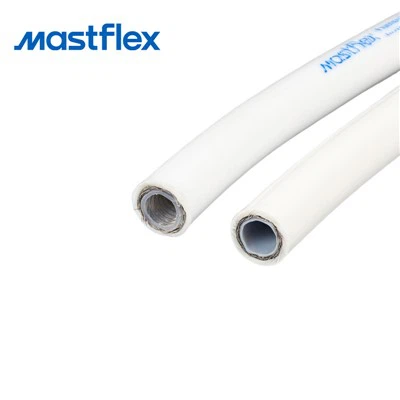
Selecting the right sterile silicone tubing for your application is a critical decision that can significantly impact the success of your project. As a trusted sterile silicone tubing supplier, I understand the complexities involved in this process. In this blog, I'll share some key considerations to help you make an informed choice.
Understanding Your Application Requirements
The first step in choosing the right sterile silicone tubing is to clearly understand your application requirements. Different applications have different needs, and it's essential to match the tubing's properties to these requirements.
Flow Rate and Pressure
One of the primary factors to consider is the flow rate and pressure of your system. If you're dealing with high flow rates or pressures, you'll need a tubing with a higher burst pressure and a larger inner diameter. On the other hand, if your application requires a low flow rate, a smaller inner diameter tubing may be sufficient.
Chemical Compatibility
Another crucial factor is chemical compatibility. Silicone tubing is generally resistant to a wide range of chemicals, but it's still important to ensure that the tubing is compatible with the specific chemicals used in your application. Some chemicals can cause the tubing to swell, degrade, or release harmful substances, which can affect the performance and safety of your system.
Temperature Range
The temperature range of your application is also an important consideration. Silicone tubing can withstand a wide range of temperatures, but different grades of silicone have different temperature limits. Make sure to choose a tubing that can operate within the temperature range of your application.
Biocompatibility
If your application involves contact with biological materials, such as blood or tissue, biocompatibility is a must. Look for tubing that is certified for medical use and meets the relevant biocompatibility standards.
Types of Sterile Silicone Tubing
There are several types of sterile silicone tubing available, each with its own unique properties and applications. Here are some of the most common types:
Silicone Corrugated Breathing Tube
This type of tubing is commonly used in medical applications, such as respiratory therapy. The corrugated design allows for flexibility and easy bending, making it ideal for use in tight spaces. It also provides a smooth inner surface, which helps to reduce the risk of blockages and improve the flow of air.
Bioprocess Tubing
Bioprocess tubing is designed for use in the biotechnology and pharmaceutical industries. It is made from high-quality silicone that is resistant to a wide range of chemicals and can withstand high temperatures and pressures. This type of tubing is often used in processes such as cell culture, fermentation, and chromatography.
Clear Silicone Tubing
Clear silicone tubing is a popular choice for applications where visibility is important. It allows you to easily monitor the flow of fluids and detect any blockages or contaminants. This type of tubing is commonly used in laboratory settings, as well as in medical and industrial applications.
Quality and Certification
When choosing sterile silicone tubing, it's important to ensure that the tubing meets the highest quality standards. Look for tubing that is manufactured in a cleanroom environment and undergoes rigorous quality control testing. It's also important to choose tubing that is certified for medical use and meets the relevant regulatory requirements.
Cost and Availability
Cost and availability are also important factors to consider when choosing sterile silicone tubing. While it's important to choose high-quality tubing, you also need to consider your budget. Look for a supplier that offers competitive pricing and a wide range of tubing options. It's also important to choose a supplier that can provide timely delivery and excellent customer service.
Conclusion
Choosing the right sterile silicone tubing for your application requires careful consideration of your specific requirements. By understanding your application needs, choosing the right type of tubing, ensuring quality and certification, and considering cost and availability, you can make an informed decision that will help you achieve the best results.


If you're interested in learning more about our sterile silicone tubing products or have any questions about choosing the right tubing for your application, please don't hesitate to contact us. Our team of experts is here to help you find the perfect solution for your needs.
References
- ASTM International. (2023). Standard Specification for Silicone Rubber Tubing for General Purpose Applications.
- ISO 10993-1:2018. Biological evaluation of medical devices - Part 1: Evaluation and testing within a risk management process.
- FDA. (2023). Medical Device Classification Database.