


Does Sterile Silicone Tubing Have Good Resistance to Detergents?
In the fields of pharmaceuticals, bioprocessing, and medical applications, sterile silicone tubing plays a crucial role. As a supplier of sterile silicone tubing, I often encounter questions from customers regarding its performance under various conditions, especially its resistance to detergents. In this blog, I will delve into the topic to provide a comprehensive understanding of how sterile silicone tubing fares against detergents.
Understanding Sterile Silicone Tubing
Sterile silicone tubing is a specialized product designed to meet the stringent requirements of industries where cleanliness and sterility are paramount. It is made from high - quality silicone rubber, which offers a range of beneficial properties such as flexibility, transparency, biocompatibility, and high - temperature resistance. These characteristics make it suitable for a wide variety of applications, including Pharmaceutical Silicone Tubing, Bioprocess Tubing, and Silicone Oxygen Tubing.
The Importance of Detergent Resistance
In many applications, silicone tubing needs to be cleaned regularly to prevent the growth of microorganisms and to remove any residues. Detergents are commonly used for this purpose. However, if the tubing does not have good resistance to detergents, it may degrade over time, leading to a loss of its mechanical properties, changes in its chemical composition, and potential contamination risks.
Factors Affecting Detergent Resistance
- Chemical Composition of the Detergent
- Different detergents have different chemical compositions. Some detergents contain strong alkalis or acids, while others are more neutral. For example, alkaline detergents are often used to remove organic residues, and acidic detergents can be effective in removing inorganic deposits. Sterile silicone tubing generally has better resistance to mild detergents. Strong alkalis or acids can cause swelling, cracking, or chemical degradation of the silicone material.
- Oxidizing detergents, such as those containing hydrogen peroxide or peracetic acid, can also pose a challenge. These detergents can break down the silicone polymer chains over time, especially if the exposure time and concentration are high.
- Concentration and Exposure Time
- The higher the concentration of the detergent and the longer the exposure time, the more likely the silicone tubing will be affected. Even a relatively mild detergent can cause damage if used at a high concentration or for an extended period. For instance, a short - term soak in a low - concentration detergent solution may have little impact on the tubing, but a continuous exposure to a high - concentration solution for days or weeks can lead to significant degradation.
- Temperature
- Temperature plays an important role in the interaction between the detergent and the silicone tubing. Higher temperatures can accelerate chemical reactions. When using detergents to clean silicone tubing, elevated temperatures may increase the rate of degradation. For example, if a detergent is used at a high temperature that is close to or above the recommended operating temperature of the silicone tubing, it can cause the tubing to become more brittle or lose its elasticity.
Testing the Detergent Resistance of Sterile Silicone Tubing
As a supplier, we conduct a series of tests to evaluate the detergent resistance of our sterile silicone tubing. These tests involve exposing the tubing samples to different types of detergents at various concentrations, exposure times, and temperatures.
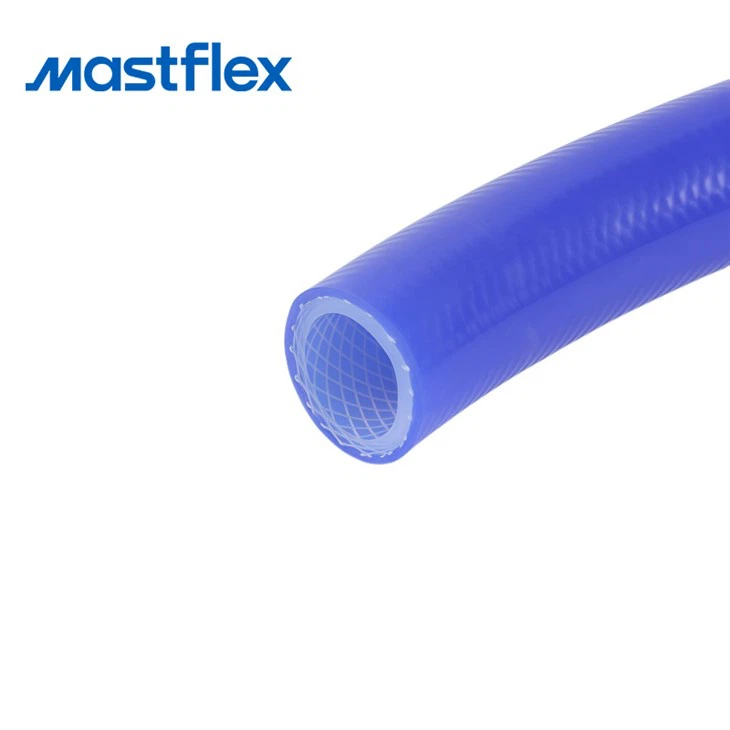

- Visual Inspection
- After the exposure, we visually inspect the tubing for any signs of damage, such as discoloration, swelling, cracking, or surface roughening. A change in color may indicate a chemical reaction between the detergent and the silicone, while swelling or cracking can affect the mechanical integrity of the tubing.
- Mechanical Property Testing
- We also measure the mechanical properties of the tubing before and after detergent exposure. This includes testing the tensile strength, elongation at break, and hardness. A significant decrease in these properties indicates that the detergent has had a negative impact on the tubing.
- Chemical Analysis
- Chemical analysis techniques, such as Fourier - transform infrared spectroscopy (FTIR) and gas chromatography - mass spectrometry (GC - MS), can be used to detect any changes in the chemical composition of the silicone tubing. These methods can identify the presence of new chemical compounds or the degradation products of the silicone polymer.
Results of Detergent Resistance Testing
Based on our testing, our sterile silicone tubing generally shows good resistance to mild detergents under normal cleaning conditions. Mild, non - ionic detergents with a neutral pH are the least likely to cause damage to the tubing. When used at recommended concentrations and exposure times, the tubing retains its mechanical properties and chemical stability.
However, when exposed to strong alkalis, acids, or oxidizing detergents, the performance of the tubing may vary. In some cases, short - term exposure to these harsh detergents may not cause significant damage, but long - term or high - concentration exposure can lead to degradation. For example, after a 24 - hour exposure to a high - concentration alkaline detergent, the tubing may show a slight decrease in tensile strength and an increase in hardness.
Practical Recommendations for Using Detergents with Silicone Tubing
- Select the Right Detergent
- Choose mild, non - ionic detergents whenever possible. These detergents are less likely to react with the silicone material. Read the product labels carefully to ensure that the detergent is suitable for use with silicone.
- Follow the Recommended Concentrations and Exposure Times
- Do not exceed the recommended concentrations of the detergent. If the detergent manufacturer provides guidelines on the cleaning time, follow them strictly. For example, if the recommended soak time is 15 minutes, do not leave the tubing in the detergent solution for several hours.
- Control the Temperature
- Keep the cleaning temperature within the recommended range for the silicone tubing. Avoid using hot water or heated detergent solutions that are too close to the maximum operating temperature of the tubing.
Conclusion
In conclusion, sterile silicone tubing can have good resistance to detergents, especially mild, non - ionic ones. However, its performance against harsh detergents depends on various factors such as the chemical composition of the detergent, concentration, exposure time, and temperature. As a supplier, we are committed to providing high - quality sterile silicone tubing that meets the needs of our customers. We continuously improve our products and testing methods to ensure their performance under different conditions.
If you are interested in our sterile silicone tubing or have any questions about its detergent resistance or other properties, please feel free to contact us for further information and to discuss your procurement needs. We look forward to working with you to find the best solutions for your applications.
References
- ASTM International. Standard Test Methods for Rubber Properties in Tension. ASTM D412 - 16a.
- ISO 10993 - 1:2018. Biological evaluation of medical devices - Part 1: Evaluation and testing within a risk management process.
- Manufacturer's guidelines for various detergents used in the testing of silicone tubing.


