


Can FEP Tubing Be Used in HVAC Systems?
As a supplier of FEP tubing, I often get asked about the suitability of our products for various applications, and one question that frequently comes up is whether FEP tubing can be used in HVAC (Heating, Ventilation, and Air Conditioning) systems. In this blog post, I'll explore the properties of FEP tubing and discuss its potential uses in HVAC systems.
Understanding FEP Tubing
FEP, or Fluorinated Ethylene Propylene, is a fluoropolymer that shares many of the desirable characteristics of PTFE (Polytetrafluoroethylene), such as excellent chemical resistance, high thermal stability, and low friction. However, FEP has the added advantage of being melt-processable, which allows it to be used in a wider range of manufacturing processes, including extrusion to produce tubing.
Some of the key properties of FEP tubing include:
- Chemical Resistance: FEP tubing is resistant to a wide range of chemicals, including acids, bases, solvents, and fuels. This makes it suitable for use in environments where exposure to corrosive substances is a concern.
- Thermal Stability: FEP has a continuous service temperature range of -200°C to 200°C (-328°F to 392°F), making it suitable for use in both high and low-temperature applications.
- Low Friction: The smooth inner surface of FEP tubing results in low friction, which reduces pressure drop and allows for efficient fluid flow.
- Electrical Insulation: FEP has excellent electrical insulation properties, making it suitable for use in electrical and electronic applications.
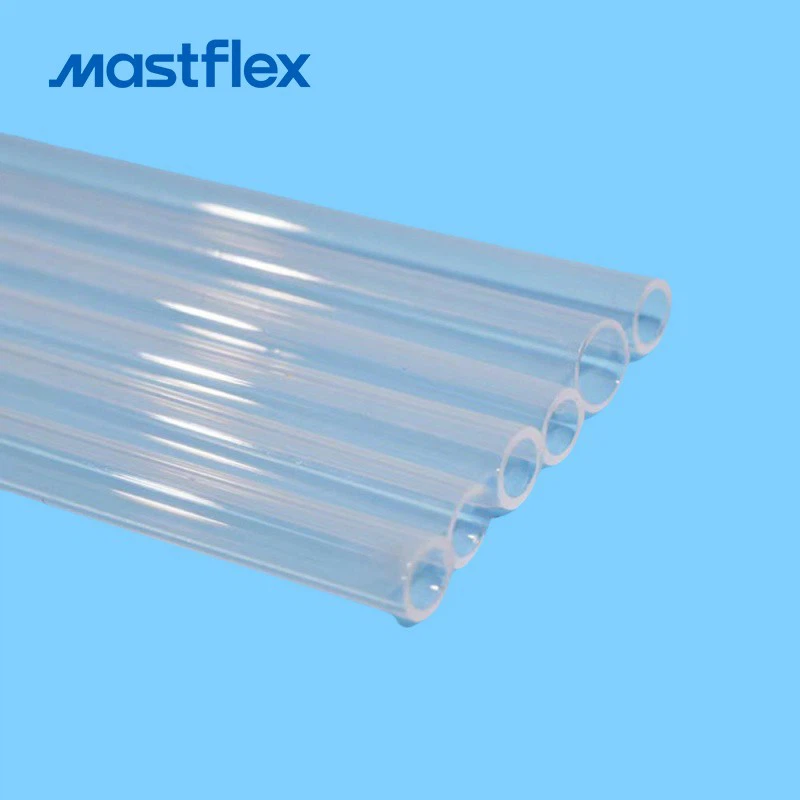
- Transparency: FEP tubing is transparent, which allows for visual inspection of the fluid inside the tubing.
Potential Uses of FEP Tubing in HVAC Systems
Given its properties, FEP tubing has several potential uses in HVAC systems:
- Refrigerant Lines: FEP tubing's chemical resistance and thermal stability make it suitable for use as refrigerant lines in HVAC systems. It can withstand the high pressures and temperatures associated with refrigerant flow and is resistant to the chemicals used in refrigeration systems.
- Condensate Drain Lines: Condensate is produced when warm, moist air comes into contact with a cold surface, such as an air conditioner coil. FEP tubing's smooth inner surface and chemical resistance make it suitable for use as condensate drain lines, preventing clogging and corrosion.
- Ventilation Ducts: FEP tubing can be used in ventilation ducts to transport air in HVAC systems. Its low friction and high chemical resistance ensure efficient air flow and prevent the growth of mold and bacteria.
- Sensor Lines: HVAC systems often use sensors to monitor temperature, humidity, and air quality. FEP tubing can be used to protect the sensor lines and ensure accurate readings.
Advantages of Using FEP Tubing in HVAC Systems
There are several advantages to using FEP tubing in HVAC systems:
- Longevity: FEP tubing's high chemical resistance and thermal stability ensure a long service life, reducing the need for frequent replacement.
- Efficiency: The low friction of FEP tubing reduces pressure drop and allows for efficient fluid and air flow, improving the overall efficiency of the HVAC system.
- Safety: FEP tubing is non-toxic and does not release harmful chemicals, making it safe for use in HVAC systems.
- Easy Installation: FEP tubing is flexible and easy to install, reducing installation time and costs.
Considerations When Using FEP Tubing in HVAC Systems
While FEP tubing has many advantages, there are also some considerations to keep in mind when using it in HVAC systems:
- Cost: FEP tubing is more expensive than some other types of tubing, such as PVC or rubber. However, its long service life and high performance may justify the higher cost.
- Pressure Rating: It's important to ensure that the FEP tubing used in HVAC systems has a pressure rating that is suitable for the application. High-pressure applications may require thicker-walled tubing.
- Compatibility: It's important to ensure that the FEP tubing is compatible with the other materials used in the HVAC system, such as gaskets, fittings, and valves.
Our FEP Tubing Products
As a supplier of FEP tubing, we offer a wide range of products to meet the needs of HVAC systems. Our products include FEP Corrugated Tubing, FEP Hose, and FEP Lined Tubing.
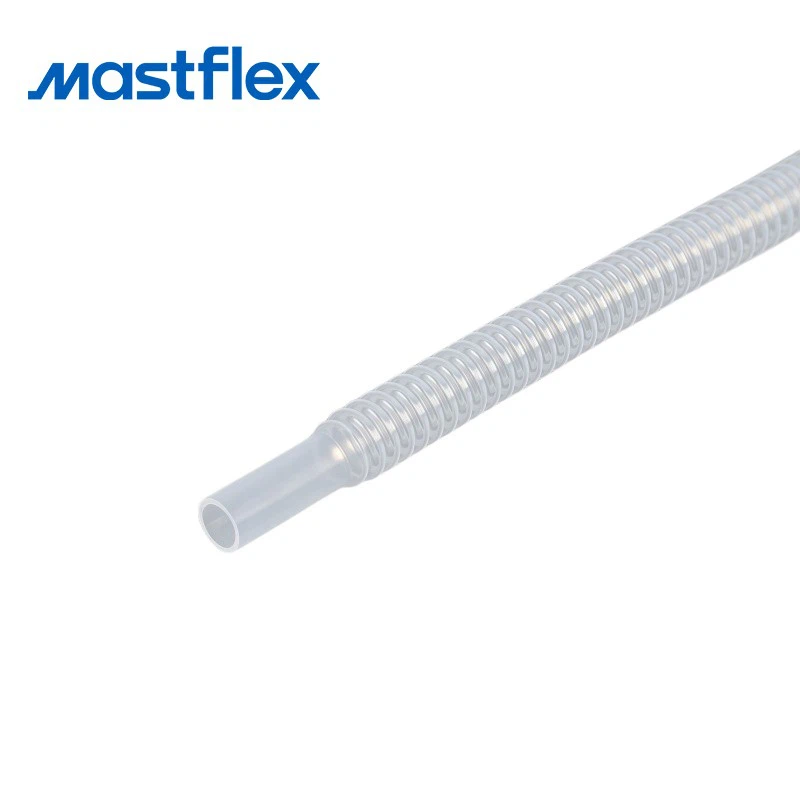
- FEP Corrugated Tubing: Our FEP corrugated tubing offers flexibility and easy installation, making it suitable for use in tight spaces. It also provides excellent chemical resistance and thermal stability.
- FEP Hose: Our FEP hose is designed for high-pressure applications and offers excellent chemical resistance and flexibility. It is available in a variety of sizes and configurations.
- FEP Lined Tubing: Our FEP lined tubing combines the strength of a metal or plastic outer tube with the chemical resistance and low friction of FEP. It is suitable for use in applications where the fluid needs to be protected from the outer environment.
Conclusion
In conclusion, FEP tubing has several potential uses in HVAC systems, including refrigerant lines, condensate drain lines, ventilation ducts, and sensor lines. Its high chemical resistance, thermal stability, low friction, and other properties make it a suitable choice for many HVAC applications. While it may be more expensive than some other types of tubing, its long service life and high performance may justify the higher cost.
If you're interested in using FEP tubing in your HVAC system, I encourage you to contact us to discuss your specific requirements. Our team of experts can help you select the right FEP tubing product for your application and provide you with a quote. We look forward to working with you to meet your HVAC tubing needs.
References
- "Fluoropolymers: A Comprehensive Introduction" by John Scheirs
- "Handbook of Plastic Materials and Technology" edited by Irvin I. Rubin


